Kesar Mango of Gir
Kesar Mango of Gir holds a special place among Indian mangoes. It is famous for rich sweetness, bright saffron pulp, and smooth texture. This mango mainly grows in the Gir region of Gujarat. Because of its quality, people wait every year for the fresh season. Many mango lovers prefer this variety for daily eating. It has less fiber and more pulp. That makes each slice enjoyable. Its aroma also stands out. Once the fruit ripens, the room fills with a pleasant fragrance. Farmers in the Gir belt care for these orchards with patience. Good soil, warm weather, and skilled farming create its signature taste. That is why this mango has earned trust in homes and markets.
Kesar Mango of Gir Origin History
| Aspect | Details |
|---|---|
| Common Name | Kesar Mango |
| Meaning of Name | “Kesar” means saffron, named after its rich orange pulp color. |
| Place of Origin | Gir Region, mainly Junagadh and nearby districts. |
| State | Gujarat |
| Historical Beginning | Commercial cultivation began around the 1930s. |
| Royal Connection | Popular belief says the name was given after local rulers admired its saffron-colored flesh. |
| Growth Region | Grown in Gir foothills, Talala, Junagadh, Amreli, and surrounding areas. |
| Climate Advantage | Warm days, dry weather, and fertile soil help create premium sweetness. |
| Rise in Popularity | Became famous across India for aroma, pulp quality, and export value. |
| Special Identity | Recognized as one of Gujarat’s premium mango varieties. |
| Harvest Season | Usually April to June. |
| Present Status | Highly demanded in Indian markets and international exports. |
Why Gir Region Is Ideal for Kesar Mango
- Gir offers the right climate for mango farming. Summers stay warm and dry. These conditions help fruits mature well. Trees also receive enough sunlight during the season.
- The soil in this region supports healthy root growth. It helps trees absorb nutrients better. As a result, fruits gain better color and sweetness. Farmers also understand local weather patterns deeply.
- Generations of growers have worked with this crop. Their experience matters a lot. They know pruning time, watering needs, and harvest timing. Because of this skill, Gir mangoes often show better quality than many others.
- This link between place and produce makes Kesar Mango of Gir highly valued.
Taste, Texture and Appearance
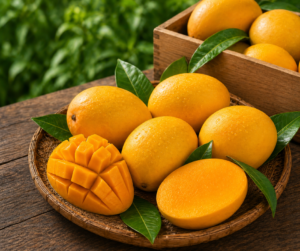
Kesar Mango gets its name from the saffron-like shade of its pulp. “Kesar” means saffron. When cut open, the fruit shows deep orange color. That alone attracts buyers. Its taste feels rich, balanced, and naturally sweet. Some mangoes taste sharp or overly sugary. Kesar stays smoother on the tongue. It also leaves a pleasant aftertaste. The skin turns golden yellow when ripe. Sometimes green patches remain. That is normal. Inside, the pulp stays juicy and thick. Fiber remains low, so eating feels clean and easy. Because of these qualities, many families choose it for gifting, desserts, and summer meals.
Harvest Season and Availability
Kesar Mango usually arrives in markets from April to June. Weather can shift dates slightly each year. A warmer season may start harvest earlier. Fresh arrivals create excitement in fruit markets. Demand rises fast during peak weeks. Buyers often prefer orchard-packed boxes for better freshness. It is wise to buy during the middle of the season. Quality stays strong and supply remains better. Early lots may cost more. Late lots may be limited. Many sellers now ship these mangoes across India. Proper packing helps fruits travel safely.
Health Benefits of Kesar Mango
Kesar Mango offers more than taste. It contains vitamins and natural energy. That makes it a good summer fruit when eaten in balance. It provides vitamin C, which supports immunity. It also contains vitamin A that supports eye health. The fruit gives antioxidants as well. Natural sugars provide quick energy. So, many people enjoy it as a daytime snack. It can also satisfy sweet cravings in a better way than processed desserts. The fruit contains some fiber too. That may support digestion when eaten sensibly. Still, portion control matters, especially for people watching sugar intake.
Popular Ways to Enjoy It
- This mango works well in many forms. Most people simply chill it and eat fresh slices. That remains the best way for many homes.
- You can also prepare thick mango shake, smoothie, or lassi. Its rich pulp blends easily. No extra sugar may be needed.
- It suits desserts too. Mango shrikhand, ice cream, kulfi, and mousse taste excellent with Kesar pulp. Some people freeze pulp for later use.
- It also works in aamras. Served with puri, it becomes a favorite festive meal in western India.
How to Choose Good Kesar Mangoes
Look for a pleasant aroma near the stem. A ripe mango smells sweet and fresh. Avoid fruits with sour odor. Choose fruits with slight softness on pressing. Hard fruits need more ripening time. Overly soft fruits may be too ripe. Skin marks can happen naturally. Do not judge only by appearance. Focus on smell, weight, and firmness. Keep raw mangoes at room temperature. Once ripe, store them in the fridge for a short time.
Final Perspective
Kesar Mango from Gir is more than a fruit. It is a summer tradition. Its taste, fragrance, and smooth pulp make it memorable. If you enjoy premium mangoes, this variety deserves a place on your table.
FAQs
What is special about Kesar Mango of Gir?
It has rich sweetness, orange pulp, low fiber, and a strong aroma.
Where is Kesar Mango mainly grown?
It is mainly grown in the Gir region of Gujarat.
When does Kesar Mango season start?
The season usually runs from April to June.
Is Kesar Mango good for health?
Yes, it provides vitamins, antioxidants, and natural energy.
How can I ripen Kesar Mango at home?
Keep it at room temperature for a few days until it softens and smells sweet.