Cherrapunji Lakadong Turmeric
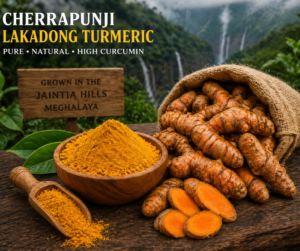
Cherrapunji Lakadong Turmeric has become one of India’s most talked-about spices. Buyers value it for strong color, bold aroma, and high curcumin content. Many health-conscious homes now prefer it over common turmeric powder. The name often links with Cherrapunji because Meghalaya is famous worldwide. However, Lakadong turmeric mainly comes from Jaintia Hills in Meghalaya. The Cherrapunji tag helps many people identify the region faster. This turmeric carries a premium image today. Yet, its story begins in local farms and traditional methods. Farmers have grown it for generations. Their skill and natural climate shape its quality. If you want turmeric with purity and identity, Lakadong deserves attention.
Origin History of Cherrapunji Lakadong Turmeric
| Aspect | Details |
|---|---|
| Common Name | Lakadong Turmeric |
| Popular Market Name | Cherrapunji Lakadong Turmeric |
| Actual Origin | Lakadong village, West Jaintia Hills, Meghalaya |
| Regional Association | Often linked with Cherrapunji for wider recognition |
| Native Growing Belt | Jaintia Hills region of Meghalaya |
| Historical Cultivation | Grown for generations by local tribal farming communities |
| Traditional Use | Used in cooking, wellness, and household remedies |
| Reason for Fame | High curcumin content, rich yellow color, and strong aroma |
| Climate Advantage | Heavy rainfall, fertile soil, and cool hill environment |
| Commercial Growth | Wider demand increased through online trade and premium branding |
| Present Market Status | Premium turmeric variety sold across India and export markets |
| Key Identity | One of Meghalaya’s most respected agricultural products |
Why Lakadong Turmeric Is Special
- The biggest reason is curcumin. Curcumin is the natural active compound in turmeric. It gives yellow color and many valued properties.
- Lakadong turmeric often contains more curcumin than regular turmeric. Exact levels depend on crop quality and testing. Still, its reputation remains strong.
- It also has a richer golden shade. Even a small amount can brighten food. The aroma feels earthy and fresh.
- Another key factor is trust. Buyers often seek products with clear origin. Lakadong offers that regional identity.
Climate and Soil Advantage of Meghalaya
- Meghalaya is known for hills, forests, and rainfall. Moist weather helps turmeric plants during growth stages.
- The soil in Jaintia Hills contains good organic matter. This supports root development and nutrient absorption. Strong roots usually lead to better rhizomes.
- Cooler hill conditions also help steady crop growth. Many farms stay away from heavy industrial zones. That natural setting adds market appeal.
- Traditional farming knowledge matters too. Farmers know planting times, drying methods, and storage care. Climate alone cannot create premium quality. Human skill completes the process.
Farming and Processing Method
Farmers plant turmeric rhizomes before the rainy season. Once rain starts, plants grow quickly. Fields need timely cleaning and weed control. After maturity, leaves turn dry. That signals harvest time. Farmers lift rhizomes carefully to avoid damage. Then roots are washed and boiled. This step improves color and shelf life. After that, they dry under controlled sunlight or clean surfaces. Once fully dry, roots are polished and sold whole. Many units then grind them into powder. Fine grinding helps smooth texture.
Health Benefits of Lakadong Turmeric
Many people add turmeric to daily food for wellness support. Lakadong gets extra attention due to its curcumin profile. Curcumin may support the body’s natural inflammation response. It also offers antioxidant properties. Therefore, many households include it regularly. People use it in warm milk, soups, tea, and curries. Some mix it with black pepper. That combination may support absorption. Still, turmeric is not a replacement for medical treatment. It works best as part of a balanced lifestyle. Use moderate quantities in daily meals for practical benefits.
Uses in Cooking
Lakadong turmeric works in many Indian dishes. It gives bright color to vegetables, lentils, and gravies. It also suits marinades and spice blends. Because the flavor is strong, smaller amounts often work well. Golden milk remains popular. A pinch with milk creates a warm drink. Some add honey or jaggery. Modern users also mix it into smoothies and health shots. However, balance matters. Too much can dominate taste.
Price and Market Demand
Lakadong turmeric usually costs more than common turmeric. Premium quality, origin branding, and limited production raise value. Demand has grown in metro cities and online markets. Buyers now prefer traceable products. They want clear source details and fresh stock. Export interest has also improved. Indian regional foods now attract global attention. If quality control remains strong, demand may rise further.
How to Buy Genuine Lakadong Turmeric
- Choose sellers who mention Meghalaya source clearly. Look for lab-tested curcumin claims if available.
- Fresh powder should smell earthy and pleasant. Dull smell may indicate old stock.
- Check packing date and sealing quality. Moisture damages spice quickly.
- Whole fingers often store longer than powder. You may grind them fresh if needed.
- Avoid unrealistically cheap offers. Premium produce needs fair pricing.
Final Thoughts
Lakadong Turmeric is more than a spice. It represents Meghalaya farming heritage, natural quality, and rising market value. Its strong color, respected profile, and trusted origin make it a smart choice for modern kitchens.
FAQs
Is Lakadong turmeric from Cherrapunji?
It mainly comes from Jaintia Hills, Meghalaya. Cherrapunji is used as a regional reference.
Why is Lakadong turmeric famous?
It is known for high curcumin, rich color, and premium quality.
Can I use Lakadong turmeric daily?
Yes, moderate daily use in food is common.
Why is it expensive?
Limited production, quality demand, and branding increase price.
How should I store it?
Keep it airtight, dry, and away from sunlight.