Pokkali Rice: Kerala’s Heritage Salt-Tolerant Super Grain
Pokkali Rice is one of India’s most unique rice varieties. It grows in coastal fields where salty water affects farming. Because of this rare strength, Pokkali Rice holds great agricultural value. This rice mainly comes from Kerala. Farmers in coastal belts have cultivated it for generations. They built farming systems that work with nature instead of against it. Pokkali Rice is not only a grain. It represents resilience, local wisdom, and traditional farming skill. Many buyers now seek such authentic foods. Modern consumers also prefer grains with story and identity. Therefore, Pokkali Rice has gained wider attention in India and abroad.
Origin History Table of Pokkali Rice
| Aspect | Details |
|---|---|
| Common Name | Pokkali Rice |
| Main Origin Area | Coastal Kerala |
| Farming Zone | Saline and tidal paddy fields |
| Historical Use | Staple food and local farming system |
| Key Strength | Saltwater tolerance |
| Traditional Growers | Coastal farming communities |
| Seasonal Model | Rice with integrated aquaculture |
| Modern Identity | Heritage climate-resilient grain |
| Domestic Demand | Health and specialty markets |
| Export Interest | Niche premium grain buyers |
What Makes Pokkali Rice Special
- Pokkali Rice stands apart because it survives in saline fields. Few rice varieties manage such conditions well.
- Its plants often grow tall and strong. This natural vigor helps them face coastal stress.
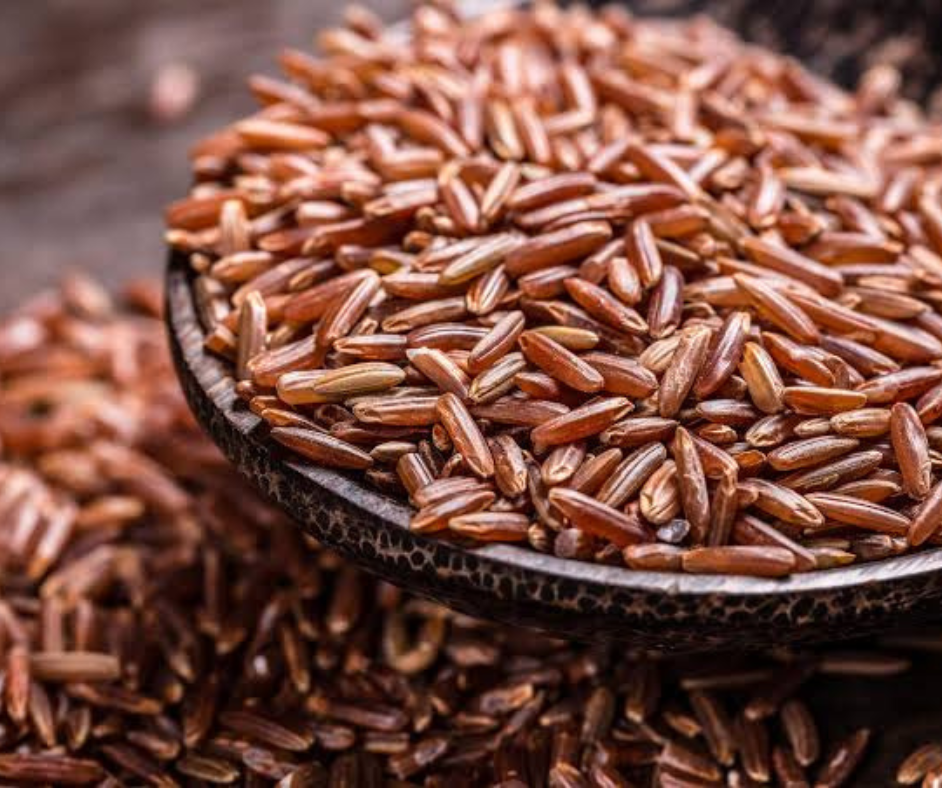
- The grains usually carry a reddish or brown tone after minimal polishing. Many buyers prefer this traditional look.
- Cooked rice offers a hearty texture and earthy taste. Therefore, it suits wholesome meals well.
- Because of these qualities, Pokkali Rice attracts both farmers and health-conscious consumers.
Farming in Coastal Ecosystems
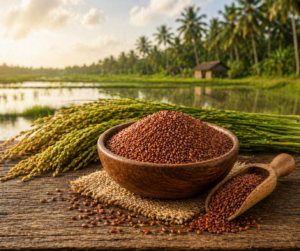
- Farmers cultivate Pokkali Rice in fields touched by tidal waters. Timing matters greatly in this system.
- They prepare land when salinity levels become suitable. Then sowing begins with seasonal knowledge.
- Natural water movement plays a major role. Farmers watch rainfall, tides, and soil condition carefully.
- In many places, rice farming links with prawn or fish culture after harvest. This creates multiple income sources.
- Such farming shows how traditional systems can remain practical and efficient.
Nutritional Appeal and Wellness Value
Many people choose Pokkali Rice for balanced diets. Whole and traditional grains often attract health-focused buyers. It may contain useful fiber and minerals, especially when less polished. Therefore, it can suit wholesome meal plans. The grain also feels filling. Many families use it in lunch or dinner meals. Still, portion balance remains important with any rice. Good nutrition depends on the full diet. Its natural image and heritage value continue to support demand.
Taste and Cooking Uses
- Pokkali Rice has a firm bite and rich character. It pairs well with curries, lentils, and vegetables.
- Many people soak it before cooking. This may improve texture and cooking ease.
- It also works in kanji, rice bowls, and regional recipes. Some homes use it for festive meals too.
- Because the grain has depth, simple food combinations often taste best.
Market Demand and Export Scope
Interest in heritage foods has increased sharply. Therefore, Pokkali Rice now reaches more urban markets. Organic stores and specialty food sellers often stock it. Wellness buyers also show strong interest. Export demand comes from Indian diaspora and niche health markets. Buyers value authenticity and origin. Since production is limited, Pokkali Rice usually serves premium segments instead of mass commodity trade. With better branding, export scope can rise further.
Brands and Sellers
Several sellers offer Pokkali Rice through retail and online channels. Availability depends on season and stock.
Common names include:
- Kerala Naturals
- 24 Mantra Organic
- NatureLand Organics
- Regional Kerala farmer groups
- Local cooperative sellers
How to Buy Quality Pokkali Rice
- Choose trusted sellers with clear Kerala sourcing. Transparent labels help buyers.
- Look for clean grains without moisture damage. Packaging should be sealed properly.
- If buying online, review seller feedback first. Authentic heritage rice may cost more than common rice.
- Store in a cool and dry place after purchase.
Why Demand Keeps Growing
- People now prefer foods with identity and traceable roots. Pokkali Rice fits this shift.
- Climate-resilient farming also attracts attention. Consumers respect crops that support sustainable agriculture.
- Social media and health awareness have improved visibility. As a result, more first-time buyers try it.
Final Thoughts
Pokkali Rice is more than rice. It reflects Kerala’s farming wisdom and nature-friendly methods. Its rare growing system, nutritional appeal, and premium demand make it a valuable heritage grain today.
FAQs
What is Pokkali Rice?
It is a traditional salt-tolerant rice variety from Kerala.
Where is Pokkali Rice grown?
It grows in coastal saline fields of Kerala.
Is Pokkali Rice healthy?
Many buyers value it for whole grain nutrition and fiber.
Can Pokkali Rice be exported?
Yes, it serves niche premium and diaspora markets.
How does it taste?
It has a hearty texture and earthy flavor.