Wangkhei Phee Handwoven Fabric
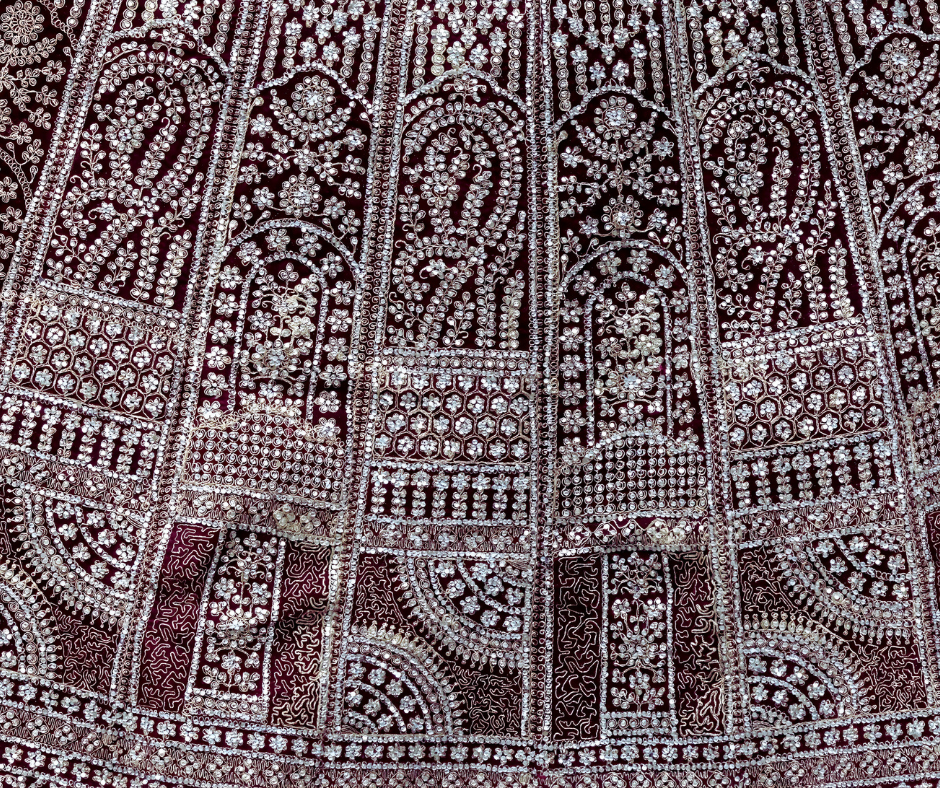
Wangkhei Phee is a traditional handwoven textile deeply rooted in the cultural heritage of Manipur. Skilled artisans carefully weave this fabric using techniques passed down through generations. The weave is widely admired for its refined patterns, graceful texture, and artistic craftsmanship.
For centuries, families have valued this heritage fabric as more than just cloth. It represents tradition, identity, and regional artistry. Even today, people appreciate this Manipuri handloom for its elegance and cultural significance.
In modern fashion, machine-made materials dominate the market. However, authentic handloom textiles preserve originality and craftsmanship. Each piece reflects patience, precision, and artistic dedication.
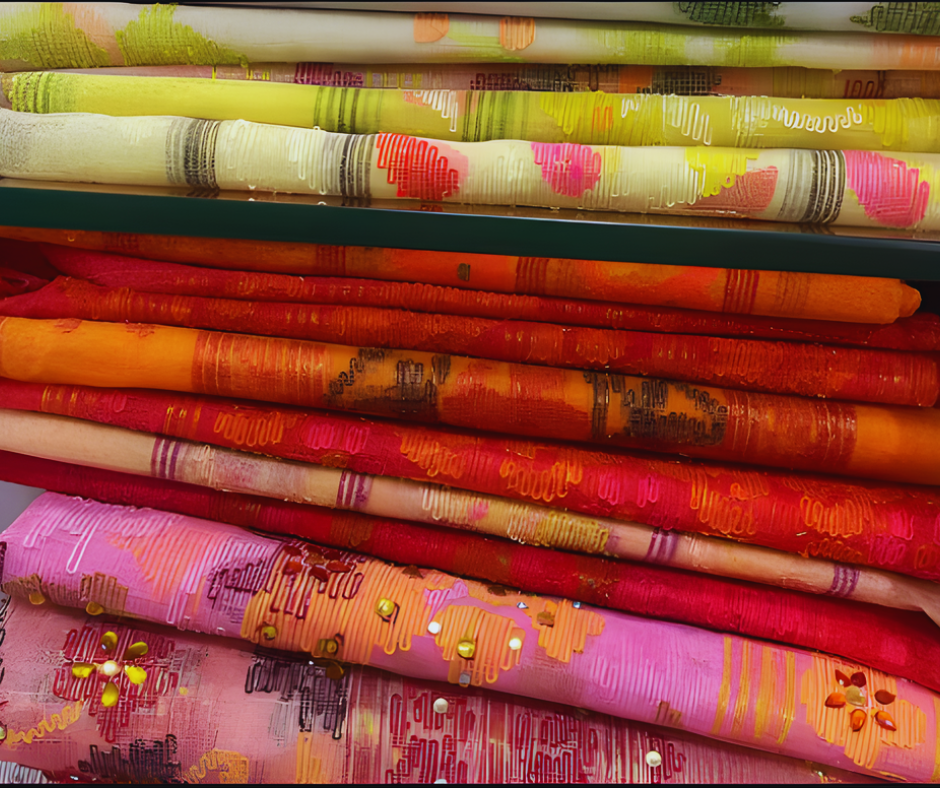
Basic Overview of Wangkhei Phee
| Field | Details |
|---|---|
| Textile Name | Wangkhei Phee |
| Origin | Manipur, India |
| Category | Traditional Handwoven Fabric |
| Craft Type | Handloom Weaving |
| Known For | Elegant Patterns & Fine Texture |
| Cultural Value | Heritage & Regional Identity |
| Usage | Traditional Wear, Shawls, Sarees |
| Production Style | Artisan-Based Weaving |
Why Wangkhei Phee Holds Cultural Importance
Traditional fabrics play a vital role in preserving regional identity. This iconic weave reflects Manipur’s craftsmanship and artistic heritage.
Represents centuries-old weaving traditions
Showcases detailed handloom artistry
Supports local artisans and craftspeople
Offers authenticity compared to factory-made materials
Maintains cultural symbolism in modern fashion
Distinctive Characteristics of Wangkhei Phee
This elegant fabric is valued for its subtle beauty and fine weaving techniques.
Delicate yet durable structure
Refined geometric and artistic patterns
Smooth and graceful texture
Lightweight and comfortable to wear
Unique handcrafted appeal
Traditional Craftsmanship Behind Wangkhei Phee
1. Artisan Weaving Techniques
Experienced weavers produce each piece using traditional handloom methods that demand skill and precision.
2. Detailed Pattern Creation
Artisans design intricate motifs that define the textile’s visual identity.
3. Time-Intensive Production
Unlike factory-made fabrics, every creation requires dedicated manual effort.
4. Cultural Preservation
The weaving tradition sustains regional craftsmanship and ensures continuity of heritage skills.
Modern Relevance of Wangkhei Phee
Today, heritage handwoven textiles are gaining renewed appreciation among:
Fashion enthusiasts
Handloom supporters
Cultural collectors
Sustainable fashion communities
Design-conscious consumers
As interest in authentic craftsmanship grows, this timeless Manipuri weave continues to hold strong appeal.
Trusted Handloom & Heritage Fabric Brands
1. Jaypore
Category: Handcrafted & Artisanal Products
Known For: Premium handloom textiles, ethnic wear
2. Okhai
Category: Handmade & Sustainable Fashion
Known For: Handcrafted textiles & garments
3. Gaatha
Category: Indian Handicrafts & Textiles
Known For: Traditional & heritage crafts
4. Taneira
Category: Handwoven Sarees & Fabrics
Known For: Authentic Indian weaves
5. Fabindia
Category: Ethnic Wear & Handloom Products
Known For: Traditional textiles & apparel
Conclusion
Wangkhei Phee is more than a textil it represents heritage, artistry, and skilled craftsmanship. In a world driven by mass production, such handwoven fabrics preserve authenticity and tradition. Choosing this Manipuri handloom supports cultural legacy while celebrating refined design and artisanal excellence.