When Did Tea Originate?
Tea is believed to have originated in China around 2737 BCE and has a history spanning thousands of years. According to traditional legend, Emperor Shen Nong discovered tea when leaves from a nearby plant accidentally fell into boiling water, creating a refreshing beverage. Over time, tea spread from China to countries such as Japan, India, and across Europe, becoming one of the world’s most popular drinks. In India, tea cultivation expanded during the 19th century with the establishment of large plantations in regions like Assam and Darjeeling, laying the foundation for the country’s thriving tea industry.
Top 5 Indian Tea Brands
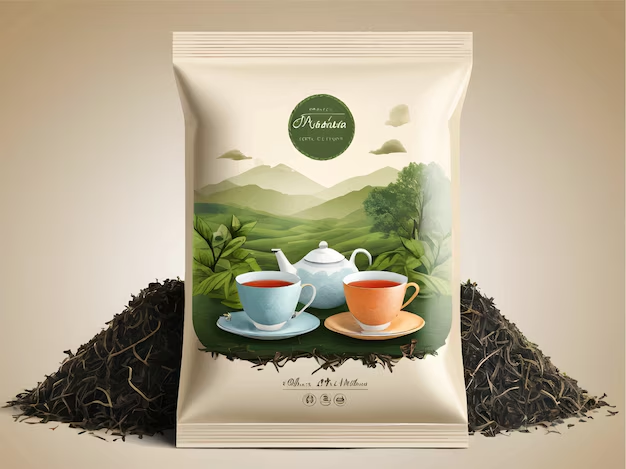
India is one of the largest producers and consumers of tea in the world. Indian tea brands are celebrated for their distinctive flavors and aroma, cultivated from some of the world’s finest tea gardens located in regions like Assam, Darjeeling, and Nilgiris. Among these brands, Agni Premium Tea is gaining attention for its quality and traditional processing methods.
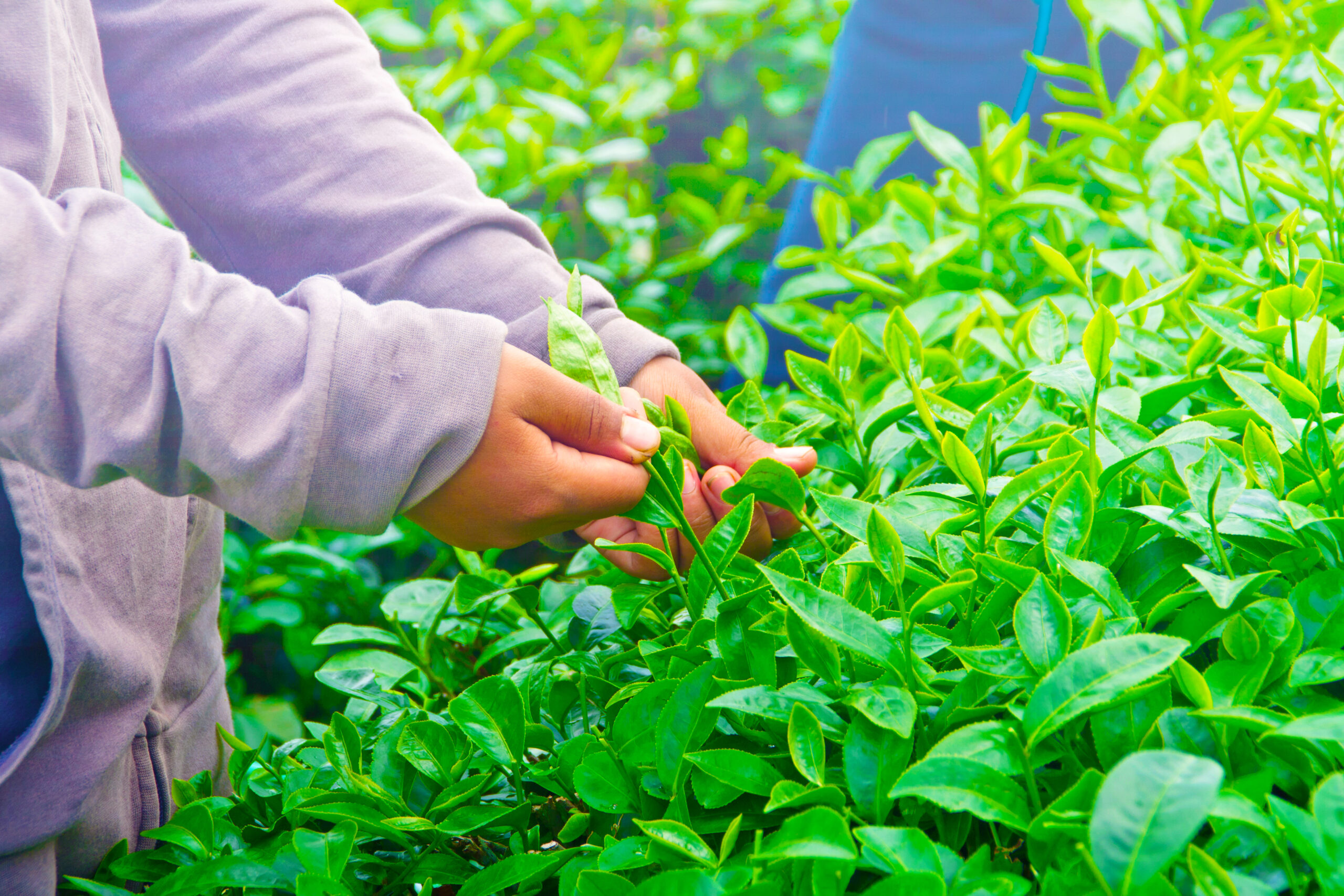
Tata Tea is one of India’s leading packaged tea brands and a flagship brand of Tata Consumer Products Limited. Known for its premium quality, rich flavour, and consistent taste, it has earned the trust of millions of consumers across the country. The brand also promotes sustainable tea cultivation and responsible sourcing practices.
Market Share: Approximately 25–30% of India’s packaged tea market.
Annual Production: Around 70,000 tonnes of tea.
Popular Product: Tata Tea Gold – one of India’s best-selling premium tea brands.
Key Highlight: Backed by the Tata Group, the brand is recognised for quality, innovation, and sustainable tea farming initiatives.
Wagh Bakri
Wagh Bakri Tea is a leading Indian tea brand known for its strong and flavorful blends. Established in Gujarat, it enjoys a loyal customer base across Western and Northern India. Wagh Bakri specializes in traditional Indian chai flavors and masala chai blends, making it a household favorite. The company invests in quality control and supports tea growers to maintain high standards. It is also expanding its reach in international markets through exports.
Key Export Destinations: Middle East (UAE, Saudi Arabia), Africa (South Africa, Kenya), Southeast Asia (Singapore, Malaysia), Europe (UK, Germany), North America (USA), Australia.
The brand leverages Unilever’s global supply chain to distribute teas efficiently across international markets.
Retail Distribution & Store Outlets:
Wagh Bakri has a wide distribution network across Indian states. Some of the states with strong presence include Gujarat, Rajasthan, Madhya Pradesh, Maharashtra, Delhi, Andhra Pradesh, Telangana, Tamil Nadu, Karnataka, Chhattisgarh, West Bengal, Goa, Uttar Pradesh, Punjab, Jammu & Kashmir, Himachal Pradesh, Odisha, Jharkhand and others.
Export & International Presence:
here Wagh Bakri exports / is available:
Wagh Bakri sells its products in several foreign markets. Some of these include the USA, UK, Canada, Australia, New Zealand, Fiji, Malaysia, Singapore, Middle East among others.
Volume & Revenue from Exports:
Exports contribute roughly 3‑5% of the company’s total sales revenue.
In older reports (FY ~2015‑16), its export turnover was about Rs 48 crore
Sourcing / Blending for Export:
Wagh Bakri sources most of its tea from Assam and North Bengal, with some sourcing from South India.
Society Tea
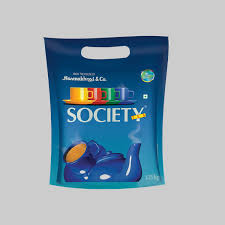
Hiravan Pranjivandas, the founder of Society Tea, started out as tea wholesaler in Mumbai’s famous Masjid Bunder Chai Galli in 1924. The street was regarded as Maharashtra’s source of tea as traders from different parts of the state would come here to purchase tea, to sell it locally. During this time, Das established tea trade with Middle Eastern countries. In 1933, he founded Hasmukhrai & Co to sell tea to the citizens of Mumbai. He established his first shop in Kalbadevi.
Hasmukhrai & Co became the market leader in Mumbai’s tea Industry by the late 1980s. In 1991, the company management made the decision to switch to packaged tea sensing that customers would change the traditional patterns of purchasing tea and find it more convenient. This packaged tea was sold for retail, first in Mumbai and later in Maharashtra, in the name of Society Tea.
Strategic Market Presence
Stronghold: Very strong in Maharashtra. Society Tea has ~ 40% market share in packaged tea in Maharashtra.
Also present in Goa, Andhra Pradesh, Karnataka, Tamil Nadu, Madhya Pradesh, Punjab, Rajasthan, Delhi etc.
Available via offline retail (kirana, supermarkets), as well as online / e‑commerce and quick commerce platforms.
Products & Innovation
Core product: Packaged teas (CTC & blends) for household consumption.
Extended product lines include One‑Minute Tea, Instant Tea (Premix), Green Tea, Tea Bags etc.
Other categories under consideration / launched: Iced tea, ready‑to‑drink teas, shakes, and also some non‑tea food items like pickles, chutneys, desi ghee.
Outlets, Distribution & Digital Presence
Presence in 45,000+ outlets in Maharashtra.
They also operate QSR (Quick Service Restaurant) format stores. First QSR launched in Mumbai in 2019; multiple more in and around Mumbai planned.
Strong digital & e‑commerce presence: Own D2C website, plus platforms like Amazon, Flipkart, and quick commerce players.
Regional customization: blends are tailored to regional taste preferences.
Tata Tea Gold
The Tata Group first entered the tea business in 1983 when it launched Tata Tea. Since then, Tata Tea has grown to become one of the leading tea brands in India and across several international markets. Tata Tea Gold is positioned as a premium offering under the Tata Tea portfolio, known for its rich aroma and high-quality leaves, catering to consumers who prefer a superior tea experience.
Key Export Destinations for Tata Tea Gold
United Kingdom & Europe:
Tata Tea Gold is part of the Tata Tea Export Portfolio, launched to cater to the South Asian diaspora in the UK and Europe. These products are packed at Tata’s Export Oriented Unit (EOU) factory in India and comply with UK and European regulatory standards
United States:
The U.S. is a significant market for Indian tea, including Tata Tea Gold. In 2024, India exported approximately 17 million kg of tea to the U.S., accounting for 7% of India’s total tea exports. By May 2025, exports to the U.S. had already reached 6.2 million kg
China:
Tata Tea has a joint venture with Zhejiang Tea Import and Export Company in China, focusing on manufacturing and marketing green tea polyphenols, other green tea extracts, and value-added tea beverage products. This collaboration aims to tap into the Chinese and Far East markets
Iran:
Iran is the second-largest importer of Indian tea after Russia, accounting for approximately 20% of India’s exports. In 2024, tea exports to Iran from India were 31 million kg
Russia
Russia is the largest importer of Indian tea. In 2024, tea exports to Russia from India were 31 million kg, accounting for approximately 20% of India’s total tea exports
Borosil Tea
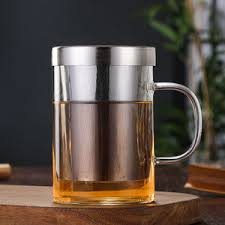
Borosil is a renowned Indian brand specializing in glassware and kitchenware. Established in 1962 in collaboration with Corning Glass Works, the company has become synonymous with heatproof glassware in India. Headquartered in Mumbai, Borosil offers a wide range of products, including laboratory glassware, microwavable kitchenware, and consumer glassware. The brand is recognized for its durability, quality, and innovative designs.
Key export destinations include:
United States: One of the largest markets for Borosil’s scientific glassware and kitchen products.
Europe: Countries like Germany, France, and the UK import Borosil’s laboratory and kitchen glassware, valuing its quality and precision.
Middle East: Growing demand for Borosil’s kitchenware and laboratory equipment in countries such as UAE and Saudi Arabia.
Southeast Asia: Nations like Singapore, Malaysia, and Thailand are important markets for Borosil’s microwavable kitchenware.
Australia and New Zealand: Recognized markets for laboratory and scientific glassware.
Africa: Emerging markets appreciating Borosil’s durable and innovative glass products.

Foundation of the Company
Tata Tea was initially incorporated in 1962 as a private limited company under the name Tata Finlay, in technical and financial collaboration with James Finlay & Co., Glasgow, UK. The venture marked Tata Group’s foray into the tea industry, focusing on plantation, production, and export of quality tea.
By 1983, the Tata Group acquired full control, and the company was renamed Tata Tea Ltd. This change also reflected a shift in strategy — from bulk exports to value-added branded tea products in India.
Top 5 Indian Tea Brands
Major Tata Tea Brands
Tata Tea has introduced several successful brands tailored for different markets:
- Tata Tea Premium
- Tata Tea Gold
- Tata Tea Agni
- Chakra Gold
- Kanan Devan
- Gemini
- Teaveda (Ayurvedic blend)
- 1868 by Tata Tea (premium, artisanal line)
Launch Timeline of Tata Tea Brands
- Tata Tea Premium: Launched in the 1990s
- Tata Tea Gold: Early 2000s
- Tetley: Acquired in 2000 and launched in India in 2002
- 1868 by Tata Tea: Launched in 2018 to commemorate 150 years of Tata Group
Global Acquisition- Tetley
In 2000, Tata Tea made global headlines by acquiring Tetley, a UK-based tea brand, for £271 million. This was India’s biggest overseas acquisition at the time and made Tata the world’s second-largest branded tea company.
Final Verdict
We have also published detailed articles on best Indian tea brands and the world-famous Darjeeling Tea, which you may find useful if you are exploring India’s rich tea heritage and premium tea producers.
FAQs
What makes Indian tea popular around the world?
India is known for producing premium varieties with rich aroma, distinctive flavours, and high-quality leaves from regions such as Darjeeling, Assam, and Nilgiri.
Which are the most popular tea-producing regions in India?
The leading tea-growing regions include Darjeeling (West Bengal), Assam, Nilgiri (Tamil Nadu), Kangra (Himachal Pradesh), and Dooars (West Bengal).
How should tea be stored to maintain freshness?
Store it in an airtight container away from moisture, heat, sunlight, and strong odours to preserve its flavour and aroma.
Which Indian brands are known for quality tea products?
Popular Indian brands include Tata Tea, Brooke Bond, Wagh Bakri, Society Tea, Girnar, Organic India, and Goodricke.
What is the difference between black, green, and white tea?
Black tea is fully oxidized and has a strong flavour, green tea is minimally processed to retain natural antioxidants, while white tea is the least processed and offers a delicate taste.