Sambalpuri Bandha Saree & Fabrics: The Woven Soul of Odisha
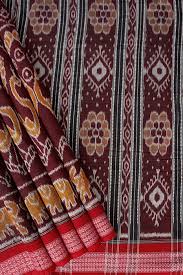
Vivid colors, intricate patterns, and deep cultural symbolism — the Sambalpuri Bandha Saree and Fabrics represent the living heritage of Odisha. Each masterpiece tells a story of devotion, patience, and artistry, crafted by skilled weavers who have preserved this tradition for centuries. The unique Bandha or Ikat tie-dye technique, where threads are dyed before weaving, makes these fabrics a marvel of mathematical precision and visual poetry.
History and Origin
The roots of Sambalpuri weaving date back to several centuries in western Odisha, particularly the regions of Sambalpur, Bargarh, Sonepur, and Balangir. The Bhulia weaver community, believed to have migrated from Rajasthan, introduced the Bandha (tie-dye) art that gradually evolved into the famous Sambalpuri style.
Over time, these weavers integrated Odisha’s cultural motifs, temple art, and traditional symbolism into their fabrics, creating designs that mirror the state’s spirituality and aesthetics. During India’s freedom movement, Sambalpuri sarees gained national prominence when Mahatma Gandhi encouraged wearing handlooms as a mark of Swadeshi pride.
Geographical Indication (GI) Details
| Aspect | Details |
|---|---|
| Alternative Names | Sambalpuri Ikat, Bandha Saree |
| Type | Handicraft |
| Area | Sambalpur, Bargarh, Sonepur, Boudh, and Balangir districts |
| State | Odisha |
| Country | India |
| Material | Cotton, Silk |
| Registered | 2010–11 |
The Art of Bandha: Weaving Patterns Before Weaving Cloth
What sets Sambalpuri fabrics apart is the Bandha (Ikat) process — a labor-intensive method where designs are dyed into the yarns before weaving.
This means that the final motif, whether geometric or floral, is pre-visualized and pre-dyed before being interlaced on the loom — resulting in identical patterns on both sides of the fabric.
Common Motifs and Meanings
🐚 Shankha (Conch Shell): Purity and auspiciousness
⚙️ Chakra (Wheel): Symbol of progress and faith, representing Lord Jagannath
🌸 Phulla (Flower): Prosperity, growth, and beauty
🔵 Rudraksha (Bead): Spiritual strength and devotion
Manufacture and Weaving Process
The making of a Sambalpuri Bandha Saree is a meticulous, multi-stage process that may take 10–25 days depending on the design complexity.
| Step | Process | Description |
|---|---|---|
| 1️⃣ Yarn Preparation | Selection & Cleaning | Pure cotton or silk yarns are cleaned, bleached, and softened. |
| 2️⃣ Design Planning | Pattern Mapping | The design (motif layout) is drawn manually on graph paper. |
| 3️⃣ Tying (Bandha) | Resist Dyeing | Specific parts of yarn are tied tightly with cotton threads to resist dye penetration. |
| 4️⃣ Dyeing | Color Application | The yarns are dyed in natural or azo-free colors, sometimes multiple times for multi-shade effects. |
| 5️⃣ Drying & Untying | Revealing the Pattern | After drying, the bindings are removed, revealing intricate pre-dyed designs. |
| 6️⃣ Loom Setting | Alignment | The dyed yarns are arranged precisely on the loom to align motifs perfectly. |
| 7️⃣ Weaving | Final Fabric Formation | Using pit looms, artisans interlace the warp and weft to produce double-sided, color-rich fabrics. |
| 8️⃣ Finishing | Washing & Polishing | The finished fabric is washed, starched, and ironed to enhance texture and sheen. |
This entire process demands exceptional precision — even a slight misalignment during dyeing or loom setup can distort the design.
Manufacture and Export
The Sambalpuri handloom sector is a pillar of Odisha’s rural economy, employing over 35,000 weavers directly and indirectly.
Key Manufacturing Centers
Bargarh and Sonepur: Known for high-quality cotton Bandha sarees.
Sambalpur: Produces luxury silk varieties and temple-inspired motifs.
Nuapatna (Cuttack): Famous for silk Bandha with intricate detailing.
Major Cooperatives and Organizations
| Name | Role & Contribution |
|---|---|
| Sambalpuri Bastralaya Handloom Cooperative Society (Bargarh) | Premier producer and exporter of authentic Sambalpuri sarees and fabrics. |
| Boyanika (Odisha State Handloom Weavers’ Co-op) | Supports weavers, markets products globally, and promotes fair trade. |
| VSS Institute of Handloom Technology | Provides training and innovation support to traditional artisans. |
Export Overview
Sambalpuri fabrics are exported across Europe, Japan, the USA, UAE, and Southeast Asia.
International buyers value them for:
Eco-friendly production (low carbon footprint)
Sustainable handloom process
Natural dye usage
Cultural authenticity
Government bodies like Odisha Handloom, Textiles & Handicrafts Department and India Handloom Brand (Ministry of Textiles) also assist in GI tagging, branding, and e-commerce promotion.
Exporters often collaborate with global fashion houses to integrate Sambalpuri ikat patterns into modern apparel, home décor, and accessories, giving this heritage craft a contemporary identity.
Varieties and Modern Adaptations
Sambalpuri Bandha is no longer limited to traditional sarees — it has found expression in:
Dupattas, dress materials, stoles, and kurtas
Home décor textiles: cushion covers, table runners, curtains
Contemporary fashion: fusion dresses, jackets, and scarves
Popular types include:
Sambalpuri Cotton Saree: Lightweight and breathable.
Sambalpuri Silk (Pata) Saree: Rich sheen, worn on weddings and formal occasions.
Bomkai, Pasapalli, and Bichitrapuri: Variants blending Bandha with extra-weft designs.
Global and Cultural Recognition
🟢 GI Tag: Granted in 2010–11 to protect the authenticity of Sambalpuri Bandha weaving.
🧵 UNESCO Recognition: Highlighted in discussions on sustainable textile crafts.
🎓 Fashion Academia: Featured in global design institutes as a case study of Indian ikat heritage.
Celebrities, diplomats, and political leaders have often donned Sambalpuri sarees to represent Odisha’s artistry on international platforms — including Prime Ministers, Presidents, and Miss India winners.
Challenges and Revival Efforts
Despite global fame, artisans face challenges such as:
Competition from machine-printed imitations
High production time vs. low profit margins
Declining youth participation
However, revival efforts through digital platforms, design workshops, and fair-trade cooperatives are helping weavers sustain livelihoods while appealing to modern consumers.
Online platforms like India Handloom Brand, Boyanika, and Amazon Karigar are also expanding their reach globally.
Conclusion
The Sambalpuri Bandha Saree and Fabrics are more than handwoven textiles — they are threads of history, identity, and devotion. Each saree encapsulates the soul of Odisha — its temples, traditions, and timeless artistry.
From the rhythmic clatter of looms in Bargarh to the glimmering silk threads of Sonepur, these fabrics weave together the legacy of craftsmanship and cultural pride. Today, as they adorn global runways and grace homes across continents, Sambalpuri Bandha continues to prove that true beauty is handmade, heartfelt, and forever enduring.


Post Comment