Nagpur Orange: Why This City Is Famous for a Fruit (And Why It Has a Government Certificate to Prove It)
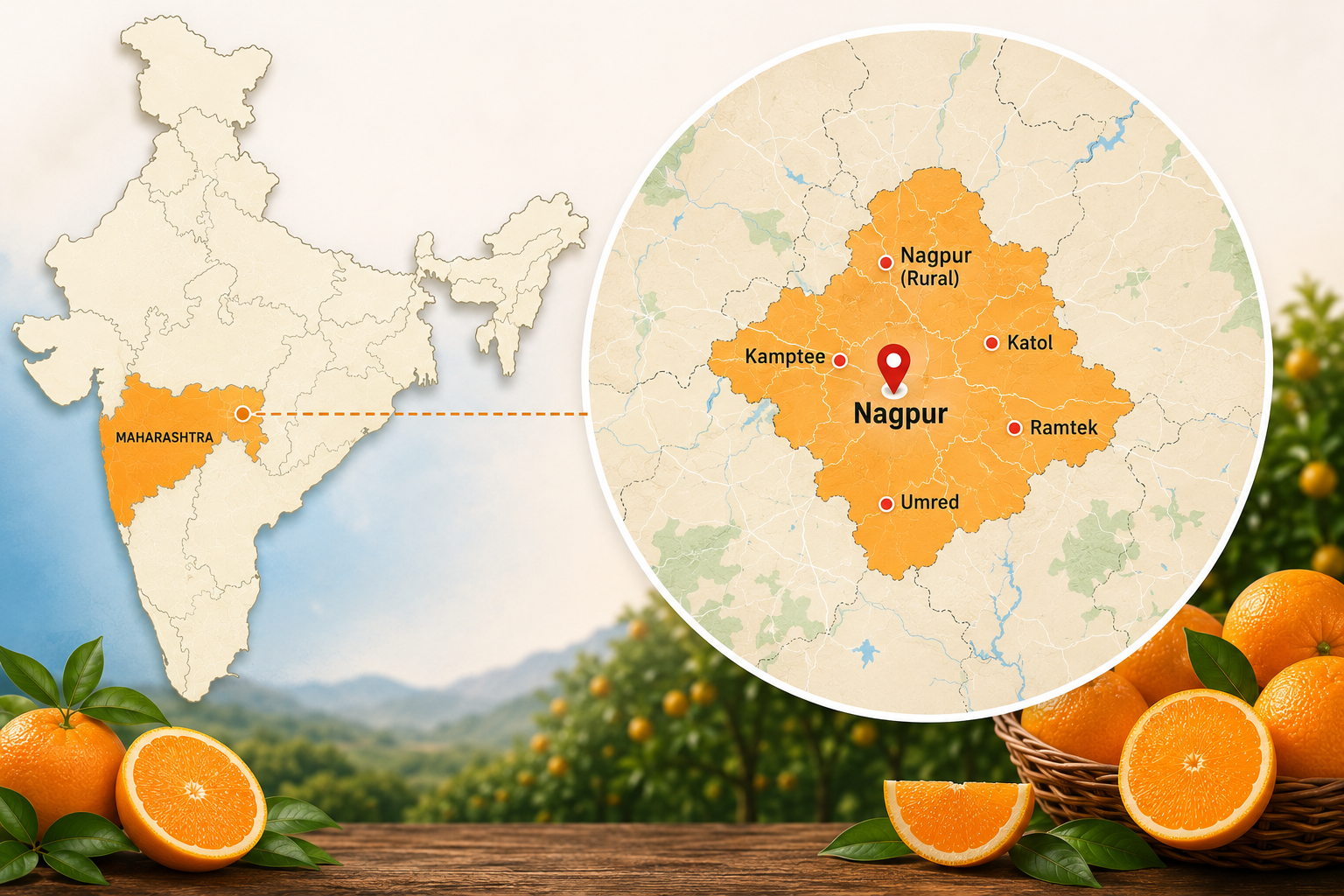
If you’ve ever Googled “Nagpur famous fruit” or “nagpur is famous for which fruit” — the answer is the orange. Locally called santra, it’s not just any orange. It’s a mandarin variety so specific to this region that the Indian government gave it a legal identity of its own.
Here’s everything worth knowing — the season, the GI tag, the farming story, and why Nagpur oranges taste different from every other orange you’ve had.
So, Which Fruit Is Nagpur Actually Famous For?
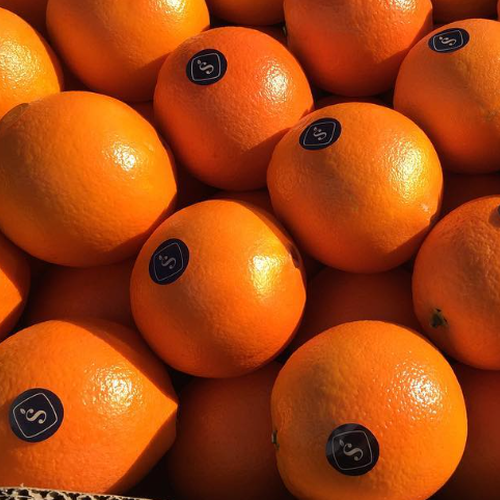
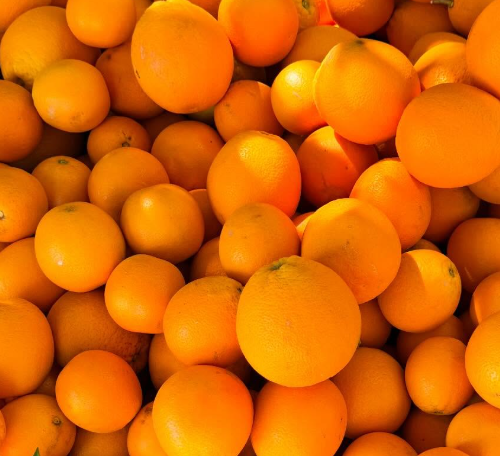
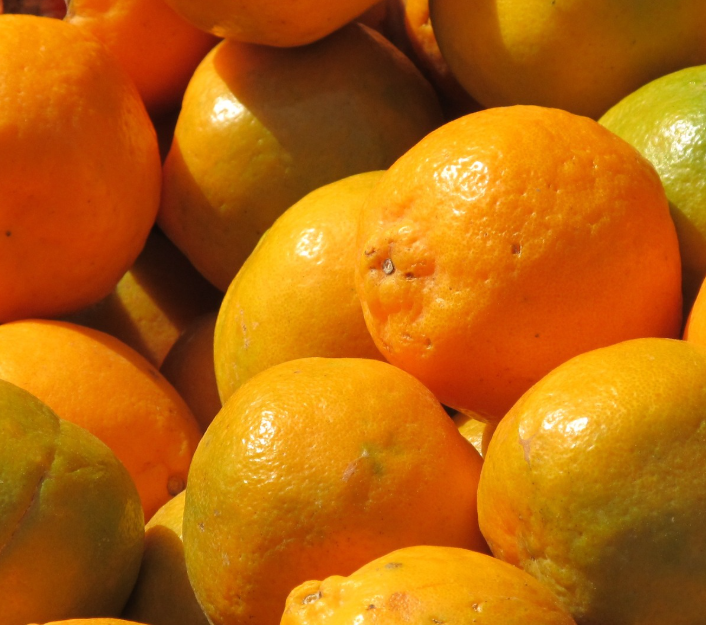
The orange. But not the thick-skinned, hard-to-peel kind you find at a highway dhaba. Nagpur grows the Mandarin orange (Citrus reticulata), called santra in Hindi and Marathi. It has a thin, loose peel that practically falls off in your hand, a deep orange colour, and a juice that’s equal parts sweet and tangy.
The city earned the nickname “Orange City of India” because of how deeply this fruit runs through local life — the orchards stretch across Vidarbha’s black cotton soil, the local market sells santra juice by the glass in winter, and the economy of entire villages in Nagpur, Wardha, and Amravati districts revolves around the orange harvest.
When Is Orange Season in Nagpur?
This is probably what you actually want to know, so let’s answer it directly.
Nagpur oranges come in two harvest seasons each year:
Ambia crop — harvested between November and January. This is the big one. The fruit is slightly tangy, aromatic, and what most people picture when they think “Nagpur orange.” If you’re visiting Nagpur or ordering a crate online, this is the season to do it.
Mrig crop — harvested between February and March. Sweeter, juicier, but smaller production. Less widely available outside the region.
The peak season — when oranges are at their cheapest, most abundant, and most flavourful — is November to January. If you walk through Nagpur’s Kalamna market during this window, you’ll see trucks unloading crates from dawn. The smell hits you before you even reach the stalls.
Outside this window, you may find stored oranges, but the fresh experience belongs to winter.
What Is the GI Tag for Nagpur Orange?
The Geographical Indication (GI) tag is a government-issued certificate that says: this product can only be called “Nagpur Orange” if it actually comes from this specific region. Think Champagne (only from France), Darjeeling tea (only from that district), or Alphonso mango (only from Ratnagiri).
Nagpur Orange received its GI tag registration in 2012, and it came into legal force in 2014.
What this means practically:
- An orange grown somewhere else cannot be labelled and sold as “Nagpur Orange”
- Farmers from the designated region get legal protection against misuse of the name
- Buyers get a guarantee of authentic regional quality
The GI tag covers oranges grown in Nagpur, Wardha, Amravati, Akola, Buldhana, and Yavatmal districts — all part of the Vidarbha region in eastern Maharashtra.
The official registration was done through the Geographical Indications Registry of India (Application No. 385). This makes it one of Maharashtra’s officially recognised agricultural GI products, alongside Alphonso mango and Kolhapur jaggery.
Why Does This Region Grow Such Good Oranges?
It’s not marketing. There are specific reasons the same mandarin variety grown elsewhere doesn’t taste the same.
Black cotton soil (regur): Vidarbha’s soil is rich in minerals and retains moisture well, giving the roots what they need through dry spells without waterlogging.
Temperature swings: The Nagpur region gets genuinely cold nights in November–December (sometimes below 10°C) followed by warm days. This temperature difference — called diurnal variation — is what develops sugar in the fruit while keeping the acidity sharp. You get that sweet-tangy balance precisely because of the weather, not despite it.
Low humidity in the harvest window: Unlike coastal Maharashtra, Vidarbha is dry in winter. Less moisture means the fruit doesn’t bloat with water and the skin stays thin. That’s why Nagpur oranges peel so easily — it’s a product of climate, not variety selection.
Farming knowledge: Generations of farmers in this belt have refined techniques like budding onto Rangpur lime rootstock, specific pruning timings, and regulated irrigation before flowering. This isn’t documented in most textbooks — it’s passed down.
How Many Farmers Depend on Nagpur Oranges?
More than one lakh (100,000) farmers in the Vidarbha region grow oranges. For most of them, the Ambia crop is the primary income of the year. A single acre of well-maintained orange orchard can yield 4–6 tonnes in a good season.
The challenge is that orange farming is weather-dependent and market-volatile. A sudden frost, unseasonal rain, or a crash in wholesale prices can wipe out months of work. Organisations like APEDA (Agricultural and Processed Food Products Export Development Authority) and MSAMB (Maharashtra State Agricultural Marketing Board) provide export linkages and cold chain support, but the farming community still faces significant instability.
Do Nagpur Oranges Get Exported?
Yes — and increasingly so.
The main export destinations are Bangladesh, Nepal, UAE, Bahrain, and the UK. The export season runs November to February, aligned with the Ambia harvest.
A significant milestone came in February 2020, when a refrigerated container of Nagpur oranges was shipped to Dubai for the first time — marking India’s entry into temperature-controlled citrus exports for Gulf markets. This matters because it extends shelf life and opens premium retail channels.
Beyond fresh fruit, Nagpur oranges are processed into:
- Orange juice and concentrates
- Marmalade and jams
- Peel oil (used in cosmetics and flavouring)
- Candied orange peel
The Central Citrus Research Institute (CCRI), based in Nagpur, works on improving disease-resistant varieties, post-harvest handling, and export quality standards. It’s the only institute of its kind in India dedicated to citrus.
Why Do Nagpur Oranges Taste Different from Other Oranges?
People who’ve had a fresh Nagpur santra and then bought a supermarket orange elsewhere often describe the difference immediately. Here’s what’s actually different:
Peel: Thin and loose. You don’t need a knife. The segments separate cleanly.
Juice content: High. A medium-sized Nagpur orange gives you more juice than most navels you’ll find in a cold storage chain.
Flavour: The sweetness has a floral, almost perfumed quality — partly from the soil, partly from the cold nights. There’s tartness underneath, not sharp but present.
Aroma: The zest is intensely fragrant. If you’ve smelled orange peel oil, that’s concentrated Nagpur santra.
A lot of “oranges” sold in Indian cities year-round are imported or from other growing regions. If you want the real experience, get them during November–January, directly from Nagpur or a vendor who sources from there.
The Local Side of Nagpur Oranges
Beyond exports and GI certificates, the orange is just part of Nagpur’s everyday texture.
- Orange Barfi is a local sweet made with orange juice and khoya — found at mithai shops across the city, especially in winter.
- Street vendors sell chilled santra juice with black salt along Sitabuldi and Sadar.
- The Nagpur Orange Festival (held annually, usually in December–January) celebrates the harvest with stalls, farming exhibitions, and local food.
- “Santra baug” — orange orchard — is a common landmark name in village addresses across Vidarbha. Many families have orchards that are generations old.
Quick Reference
| Â | Â |
|---|---|
| Local name | Santra |
| Variety | Mandarin (Citrus reticulata) |
| Region | Nagpur, Wardha, Amravati, Buldhana, Akola, Yavatmal |
| GI Tag granted | 2012 (effective 2014) |
| Main season | November – January (Ambia crop) |
| Second season | February – March (Mrig crop) |
| Farmers involved | 1 lakh+ |
| Key exports | UAE, Bangladesh, Nepal, UK |
| Research body | Central Citrus Research Institute, Nagpur |
The Nagpur orange isn’t famous because of a tourism campaign. It’s famous because farmers in one specific patch of Maharashtra figured out, over more than a century, how to grow a fruit that happens to be exactly right for the soil and the weather they have. The GI tag just made it official.
If you haven’t had a fresh one in season, that’s the only item on the to-do list.