Shahi Muzaffarpur Litchi: India's Most Prized Summer Fruit You Need to Know About
Every summer, the orchards of Muzaffarpur, Bihar, come alive with the harvest of one of India’s most celebrated fruits. As thousands of litchi trees bear vibrant red clusters, farmers carefully handpick the fruit at peak ripeness to preserve its exceptional sweetness, aroma, and freshness. Within a short time, these premium litchis reach markets across India and international destinations, reflecting the region’s rich horticultural heritage.
Renowned for its juicy pulp, natural sweetness, and distinctive flavour, Muzaffarpur Litchi, especially the famous Shahi Litchi, is regarded as one of India’s finest litchi varieties. Protected by a Geographical Indication (GI) tag, it reflects the country’s rich agricultural heritage and generations of expert cultivation.
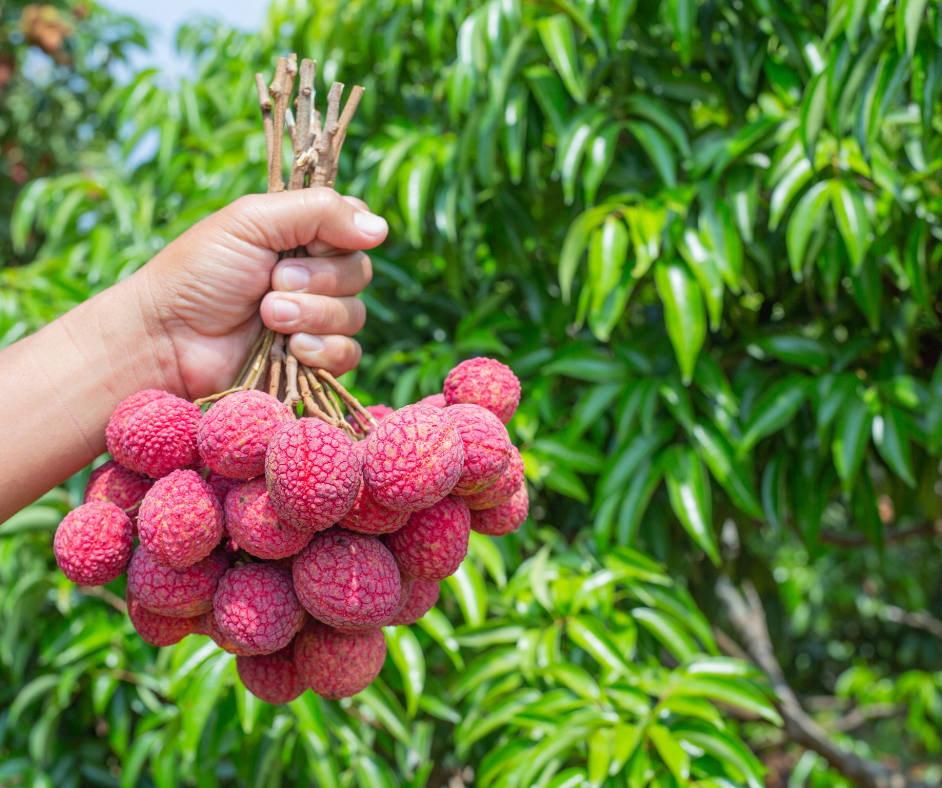
Muzaffarpur Litchi- Proudly Made in India
India's Premier Litchi- Growing Region
Muzaffarpur, located in the fertile Gangetic plains of Bihar, is widely recognized as India’s leading litchi-producing region. Its nutrient-rich alluvial soil, favourable climate, and decades of farming expertise create ideal conditions for cultivating premium-quality litchis with exceptional taste and aroma.
Bihar is the largest producer of litchi in India, and Muzaffarpur contributes a significant share of the country’s total production, making it the nation’s most prominent litchi-growing district.
What Makes Shahi Litchi Special?
The word “Shahi” means royal, reflecting the premium quality and distinctive characteristics of this celebrated variety.
Its popularity is attributed to several unique features:
- Small seed with a higher proportion of juicy pulp
- Naturally sweet flavour with a delicate floral aroma
- Soft, succulent texture
- Thin, easy-to-peel skin
- Excellent freshness and premium eating quality
These qualities have made Shahi Litchi one of the most sought-after litchi varieties in India and international markets.
Harvest Season
The harvesting season typically begins in late May and continues through June, with peak availability during the first half of the month. Due to its short harvesting window, the fruit remains highly seasonal and is eagerly awaited by consumers every year.
From Bihar to Global Markets
Today, Shahi Muzaffarpur Litchi is exported to several international markets, supported by organizations such as APEDA, the National Horticulture Board (NHB), and the Directorate of Horticulture, Bihar. Improved post-harvest handling, cold-chain infrastructure, and quality standards have helped expand its global presence while preserving freshness during transportation.
Nutritional Benefits
In addition to its exceptional taste, Shahi Litchi is valued for its nutritional profile. It is naturally rich in:
- Vitamin C
- Antioxidants
- Dietary fibre
- Natural sugars
- Water content
These nutrients make it a refreshing seasonal fruit that supports hydration and overall well-being during the summer months.
Final Thought
We have also published a detailed article on Tezpur Litchi, which you may find useful if you are interested in exploring India’s renowned litchi varieties, regional fruit heritage, and GI-recognized horticultural products.
FAQs
What makes Muzaffarpur Litchi unique?
Muzaffarpur Litchi is renowned for its juicy pulp, natural sweetness, distinctive aroma, and the famous Shahi variety, making it one of India’s finest litchis.
Why is the Shahi variety so popular?
It is known for its small seed, higher pulp content, delicate floral flavour, thin peel, and exceptional eating quality.
Does this fruit have GI recognition?
Yes. It is protected under the Geographical Indication (GI) tag, which certifies its authenticity and regional origin.
When is the harvesting season?
The harvesting season generally begins in late May and continues through June, with peak availability during the first half of the month.
Is it exported to other countries?
Yes. It is exported to several international markets, including countries in the Middle East, Europe, and Asia, supported by modern post-harvest and cold-chain infrastructure.