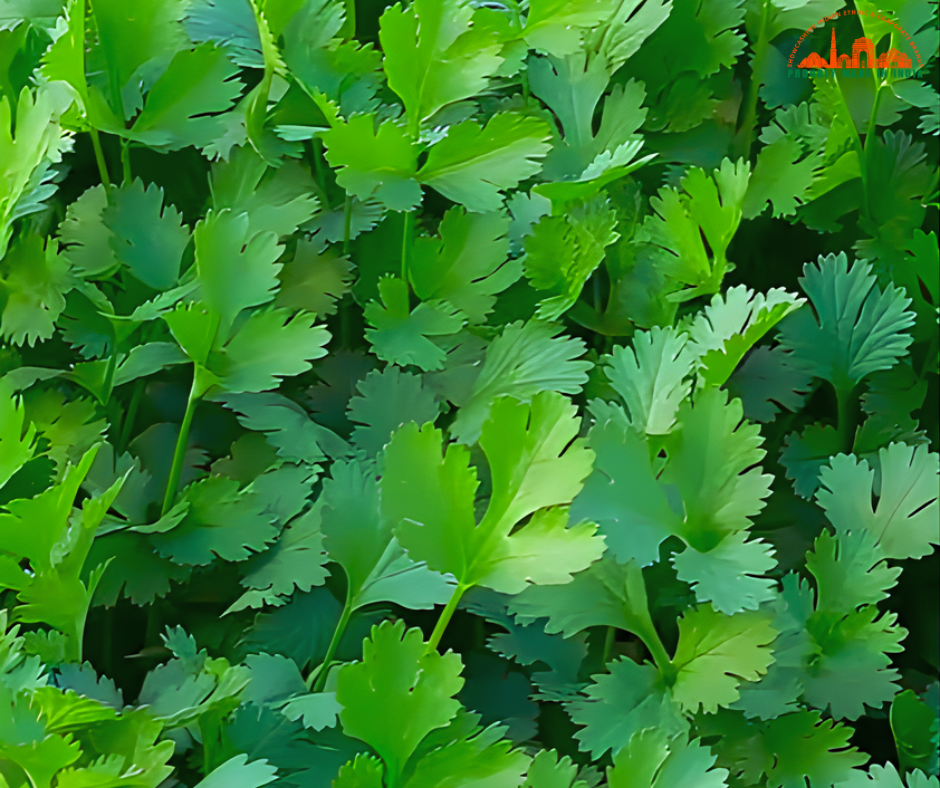
Kasti Coriander is a premium coriander variety cultivated in Kasti village and nearby regions of Latur district, Maharashtra. Known for its bold fragrance, glossy seeds, and high linalool content, this spice reflects India’s rich agricultural tradition.
Its superior quality and uniform appearance are the result of dryland farming practices combined with careful post-harvest handling. Because of its strong aroma and purity, it holds a respected position in both domestic and export markets.
Basic Overview of Kasti Coriander (Latur Kasti Dhania)
Field
Details
Known Name
Latur Kasti Dhania
Botanical Name
Coriandrum sativum
Cultivation Area
Kasti & adjoining villages, Latur District
Industry
Spices & Agricultural Produce
Registration
Recognised variety (30 March 2024)
Popular Forms
Whole Seeds, Powder, Spice Blends
Distinct Qualities of This Coriander Variety
High essential oil (linalool) content
Naturally uniform and glossy seeds
Long shelf life
Grown in nutrient-rich black cotton soil
Minimal chemical input with organic focus
Nutritional Profile
Per 100g of coriander seeds:
Energy: 298 kcal
Protein: 12.4 g
Fat: 17.8 g
Carbohydrates: 54 g
Fiber: 41 g
Calcium: 709 mg
Iron: 16.3 mg
This nutrient composition makes it valuable not only as a flavoring agent but also as a functional food ingredient.
Health Benefits of Coriander Seeds
Supports digestion
Helps regulate blood sugar
Rich in antioxidants
Aids natural detoxification
Beneficial for skin and liver health
Market Reach and Export Demand
With increasing global demand for premium spices, this aromatic seed has expanded its presence beyond Maharashtra.
Growing demand in Indian retail markets
Exported to UAE, Bangladesh, Sri Lanka, UK, and Singapore
Supported by agricultural and export promotion bodies
Preferred for spice blends and oil extraction
Farmers in Latur are adopting improved cultivation and collective marketing practices to enhance quality and profitability.
Processing and Quality Control
1️⃣ Cleaning – Removal of dust and impurities 2️⃣ Sun Drying – Preserves aroma and oil content 3️⃣ Grading – Sorted for size and density 4️⃣ Polishing – Improves appearance 5️⃣ Packaging – Moisture-protected packing for freshness
Conclusion: Kasti Coriander as a Premium Indian Spice
From the black soils of Latur to global spice shelves, this coriander variety represents quality, sustainability, and India’s spice heritage. Its aroma, purity, and careful cultivation make it a distinguished product in the international market.