Kamrupi Crafts – Traditional Handicrafts of Assam
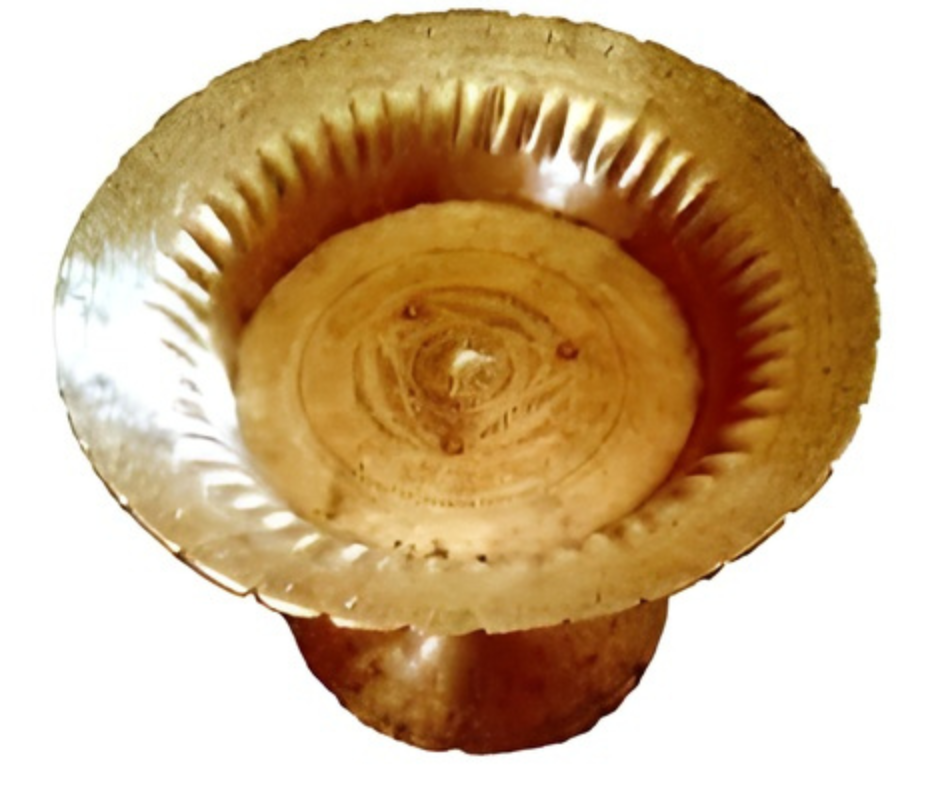
In the northeastern state of Assam, nestled along the Brahmaputra River, lies a rich tradition of metal craftsmanship known as Kamrupi crafts. Renowned for their durability, intricate designs, and cultural significance, these handcrafted items are a testament to Assam’s artisanal heritage. Kamrupi crafts encompass a variety of metal products, including bell metal and brass items, which are integral to Assamese culture and daily life.
Origins in Ancient Assam
The term “Kamrupi” is derived from the ancient kingdom of Kamarupa, which encompassed parts of present-day Assam. This region has a long-standing tradition of metalworking, with evidence of such crafts dating back centuries. The artisans of Kamrup, particularly in towns like Hajo and Sarthebari, have been honing their skills in bell metal and brass crafting for generations.
Cultural Importance
Origin City/Region: Kamrup, Assam
Traditional Making Process
Materials Used
Crafting Techniques
Casting: The process begins with melting the metal alloy and pouring it into molds to shape the desired object.
Engraving: Once the object has cooled and solidified, artisans meticulously engrave intricate designs, often inspired by nature, mythology, and daily life.
Polishing: The crafted item is then polished to achieve a smooth finish, enhancing its visual appeal.
Lacquering: In some cases, a lacquer coating is applied to provide a glossy finish and protect the metal from corrosion.
This meticulous process requires immense skill and patience, with each piece reflecting the artisan’s dedication and expertise.
Global Appeal and Recognition
International Appreciation
Kamrupi crafts have garnered international acclaim for their unique blend of functionality and artistry. The intricate designs and cultural significance of these items make them highly sought after in global markets. Collectors and enthusiasts worldwide appreciate the craftsmanship and heritage embedded in each piece.
Export and Market Reach
While specific export data for Kamrupi crafts is limited, the increasing interest in Indian handicrafts globally suggests a growing market for these items. Platforms like CraftNxt have highlighted the global appeal of Indian metal crafts, including Kamrupi items, due to their cultural heritage and artistic diversity. (craftnxt.com)
Brand Spotlight: Rudhigat
Overview
Rudhigat is an Indian brand that specializes in traditional brass handicrafts, including Kamrupi-style items. The brand is known for its commitment to preserving traditional crafting techniques while infusing contemporary designs.
Founders and Establishment
Founded by artisans passionate about preserving the art of metal crafting, Rudhigat has established itself as a prominent name in the industry. While specific details about the founders and year of establishment are not readily available, the brand’s dedication to quality and tradition is evident in its products.
Global Presence
Rudhigat’s products have reached international markets, showcasing the global appeal of Kamrupi crafts. The brand’s emphasis on quality and authenticity has garnered attention from collectors and enthusiasts worldwide.
Conclusion: Proudly Made in India
Kamrupi crafts stand as a testament to India’s rich artisanal heritage. Rooted in the traditions of Assam, these metal works embody the skill, creativity, and cultural significance of the region. As global appreciation for traditional crafts continues to grow, Kamrupi items serve as a bridge connecting India’s rich cultural tapestry with the world. Each piece tells a story of heritage, craftsmanship, and the enduring spirit of Indian artistry.
In a world increasingly leaning towards mass production, Kamrupi crafts remind us of the value of tradition, the importance of preserving cultural heritage, and the timeless appeal of handcrafted artistry.