Ganjam Kewda Rooh: The Fragrant Essence of Odisha
Delicate, floral, and deeply soothing — Ganjam Kewda Rooh (also known as Kia Phula Attar or White Lotus Rooh) is a natural aromatic extract derived from the male flowers of the Pandanus fascicularis plant. It is one of India’s most exquisite traditional perfumes, prized for its long-lasting fragrance and therapeutic properties.

Geographical Indication
| Aspect | Details |
|---|---|
| Name | Ganjam Kewda Rooh |
| Alternative Names | Kia Phula Attar, White Lotus Rooh |
| Type | Flower |
| Area | Ganjam District, Odisha |
| Country | India |
| Material | Flower |
| Registered | 2004–05 (GI Tag) |
Manufacturing Process
The production of Ganjam Kewda Rooh is a time-honoured craft passed down through generations in the coastal belt of Ganjam, particularly in the Berhampur and Chhatrapur regions.
| Step | Process | Description |
|---|---|---|
| 1️⃣ Flower Collection | Harvesting male Kewda flowers | Collected at dawn when fragrance is strongest. Only male flowers are used for their superior aroma. |
| 2️⃣ Preparation | Cleaning and bundling | Flowers are carefully tied and prepared for distillation the same day. |
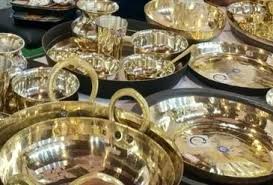
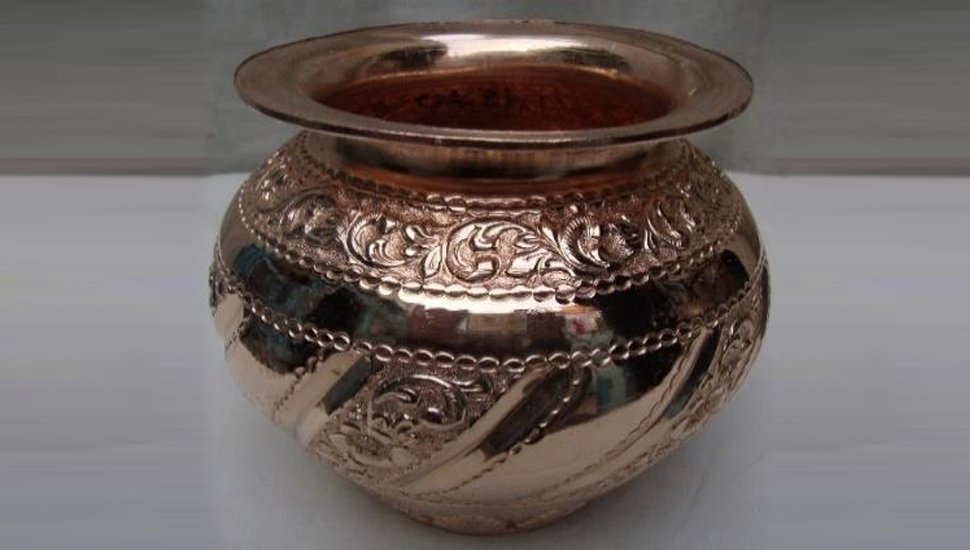
| 3️⃣ Distillation | Deg-bhapka method (traditional hydro-distillation) | Flowers are boiled in copper stills (deg) with water; vapors pass through bamboo pipes into receivers (bhapka) containing sandalwood oil or base oil. |
| 4️⃣ Extraction | Condensation and separation | Fragrant vapors condense into aromatic oil — the pure Kewda Rooh or Kewda Attar. |
| 5️⃣ Filtration & Bottling | Purification and storage | The final essence is filtered, aged, and packed in glass bottles or copper vessels. |
Manufacture and Export
| Aspect | Details |
|---|---|
| Major Production Centres | Chhatrapur, Gopalpur, Berhampur (Ganjam district) |
| Supporting Institutions | Odisha State Co-operative Handicrafts Corporation, Fragrance & Flavour Development Centre (FFDC), Kannauj |
| Export Destinations | UAE, Saudi Arabia, France, USA, Bangladesh |
| Applications | Perfumes, cosmetics, incense, Ayurvedic medicines, aromatherapy |
| Export Season | April – October (flowering season) |
| Annual Output | Approx. 2000–2500 litres of Kewda oil & attar annually |
Economic and Cultural Significance
Ganjam Kewda Rooh supports thousands of rural families, especially women involved in flower collection and processing. It holds both economic value as a major aromatic export and cultural value in Indian rituals, perfumes (ittar), and traditional medicine.
Would you like me to create an illustrated diagram or table image showing the manufacturing process (from flower collection to distillation and export)?
You said:
ChatGPT said:
Ganjam Kewda Rooh: The Fragrant Essence of Odisha
Delicate, floral, and deeply soothing — Ganjam Kewda Rooh (also known as Kia Phula Attar or White Lotus Rooh) is a natural aromatic extract derived from the male flowers of the Pandanus fascicularis plant. It is one of India’s most exquisite traditional perfumes, prized for its long-lasting fragrance and therapeutic properties.
Geographical Indication
| Aspect | Details |
|---|---|
| Name | Ganjam Kewda Rooh |
| Alternative Names | Kia Phula Attar, White Lotus Rooh |
| Type | Flower |
| Area | Ganjam District, Odisha |
| Country | India |
| Material | Flower |
| Registered | 2004–05 (GI Tag) |
Manufacturing Process
The production of Ganjam Kewda Rooh is a time-honoured craft passed down through generations in the coastal belt of Ganjam, particularly in the Berhampur and Chhatrapur regions.
| Step | Process | Description |
|---|---|---|
| 1️⃣ Flower Collection | Harvesting male Kewda flowers | Collected at dawn when fragrance is strongest. Only male flowers are used for their superior aroma. |
| 2️⃣ Preparation | Cleaning and bundling | Flowers are carefully tied and prepared for distillation the same day. |
| 3️⃣ Distillation | Deg-bhapka method (traditional hydro-distillation) | Flowers are boiled in copper stills (deg) with water; vapors pass through bamboo pipes into receivers (bhapka) containing sandalwood oil or base oil. |
| 4️⃣ Extraction | Condensation and separation | Fragrant vapors condense into aromatic oil — the pure Kewda Rooh or Kewda Attar. |
| 5️⃣ Filtration & Bottling | Purification and storage | The final essence is filtered, aged, and packed in glass bottles or copper vessels. |
Manufacture and Export
| Aspect | Details |
|---|---|
| Major Production Centres | Chhatrapur, Gopalpur, Berhampur (Ganjam district) |
| Supporting Institutions | Odisha State Co-operative Handicrafts Corporation, Fragrance & Flavour Development Centre (FFDC), Kannauj |
| Export Destinations | UAE, Saudi Arabia, France, USA, Bangladesh |
| Applications | Perfumes, cosmetics, incense, Ayurvedic medicines, aromatherapy |
| Export Season | April – October (flowering season) |
| Annual Output | Approx. 2000–2500 litres of Kewda oil & attar annually |
Economic and Cultural Significance
Ganjam Kewda Rooh supports thousands of rural families, especially women involved in flower collection and processing. It holds both economic value as a major aromatic export and cultural value in Indian rituals, perfumes (ittar), and traditional medicine.
Conclusion
Ganjam Kewda Rooh stands as a timeless symbol of India’s fragrant heritage and artisanal excellence. From the sandy coasts of Odisha to global perfume markets, its journey reflects the perfect harmony of nature, tradition, and craftsmanship. More than just a scent, it represents the essence of rural livelihood, cultural pride, and sustainable heritage that continues to blossom with every Kewda flower harvested in Ganjam.


Post Comment