Ganjam Kewda Flower: The Fragrant Essence of Odisha
Sweet, floral, and divinely aromatic — the Ganjam Kewda Flower (also known as Kia or Ketaki) is one of India’s most prized natural fragrances. Grown abundantly in the coastal district of Ganjam, Odisha, this flower is the source of the world-famous Kewda Rooh (attar), a natural perfume that has scented homes, temples, and celebrations for centuries.
Beyond its aroma, the Kewda flower represents the deep connection between nature, tradition, and livelihood — making it a fragrant symbol of India’s floral heritage.
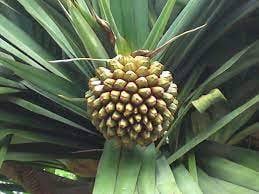
Geographical Indication
| Aspect | Details |
|---|---|
| Alternative Names | Kia, Ketaki, White Lotus |
| Type | Flower |
| Area | Ganjam, Odisha |
| Country | India |
| Material | Flower |
History and Origin
The cultivation of Kewda in Ganjam dates back several centuries. Local folklore associates the flower with divine rituals, especially in temples across Odisha. Traditionally, Kewda oil was distilled to create Rooh Kewda, a natural perfume used by royalty and devotees alike.
The unique coastal climate of Ganjam, with its sandy soil and sea breeze, gives the flower its distinctive sweet, floral, and fruity fragrance, unlike any other variety in the world.
Over generations, this art of distillation and cultivation has been preserved by local families, turning Kewda farming into both a cultural identity and an economic lifeline for the region.
Agricultural Overview
| Aspect | Details |
|---|---|
| Scientific Name | Pandanus fascicularis (syn. Pandanus odoratissimus) |
| Family | Pandanaceae |
| Cultivation Region | Berhampur, Chhatrapur, and Gopalpur regions of Ganjam district |
| Climate Requirement | Warm and humid tropical coastal climate |
| Soil Type | Sandy loam to coastal alluvial soil, well-drained |
| Propagation | Through suckers or slips |
| Flowering Season | March to October (peak: April–July) |
| Harvesting Time | Early morning before sunrise for best oil quality |
| Average Yield | 15,000–20,000 flowers per hectare per season |
| Uses | Extraction of Kewda oil (Rooh), perfumery, cosmetics, incense, and flavoring |
Cultivation and Processing
| Step | Process | Description |
|---|---|---|
| 1️⃣ | Land Preparation | Fields are ploughed and leveled; plants prefer slightly moist but non-waterlogged soil. |
| 2️⃣ | Planting | Suckers are planted 1.5–2 meters apart, ensuring good sunlight and airflow. |
| 3️⃣ | Irrigation | Light, regular watering ensures consistent blooming; over-irrigation is avoided. |
| 4️⃣ | Manuring | Organic compost and cow dung manure are applied for healthy growth and fragrance intensity. |
| 5️⃣ | Flower Harvesting | Flowers are hand-plucked early morning to preserve freshness and aroma. |
| 6️⃣ | Distillation (Deg Bhapka Method) | Traditional steam distillation extracts the fragrant Kewda oil — an artisanal process perfected over centuries. |
Manufacture and Export
The Kewda industry of Ganjam blends ancient craftsmanship with modern trade. Distillers, known locally as Kewda Attarwalas, operate traditional units that produce the natural Rooh Kewda oil.
| Aspect | Details |
|---|---|
| Major Production Centres | Berhampur, Gopalpur, Chhatrapur |
| Type of Products | Kewda Rooh, Kewda Water, Kewda Essence |
| Export Destinations | UAE, Saudi Arabia, Bangladesh, Singapore, and France |
| Supporting Bodies | Odisha State Cooperative Marketing Federation (OSCMF), APEDA |
| Export Season | April – October |
Kewda oil is exported globally for use in perfume houses, incense manufacturing, and traditional medicine, where its floral note remains highly valued.
Cultural and Religious Significance
The Kewda flower is not just a crop — it’s a sacred bloom. Its fragrance fills temples during rituals, and its oil is used to anoint deities. In Odisha, it symbolizes purity and divine offering, often mentioned in classical literature and devotional poetry.
In Ayurvedic traditions, Kewda is believed to have cooling, soothing, and therapeutic properties, used in skincare, natural remedies, and aromatherapy.
Economic and Social Impact
The Kewda industry supports over 20,000 families in southern Odisha, providing income to small farmers, flower collectors, and traditional distillers. Its GI recognition has further boosted rural entrepreneurship and preserved traditional techniques that date back centuries.
The trade has also empowered women’s cooperatives, involved in sorting, cleaning, and packaging floral extracts, thus making Kewda cultivation a model of sustainable rural livelihood.
Conclusion
The Ganjam Kewda Flower stands as a fragrant symbol of Odisha’s coastal charm — blending nature’s beauty, traditional wisdom, and economic prosperity. From the fields of Ganjam to perfume houses across the world, its scent continues to define India’s aromatic heritage — timeless, pure, and unmistakably divine.


Post Comment