Fox Nuts – A Smart Swap for Everyday Junk Snacks
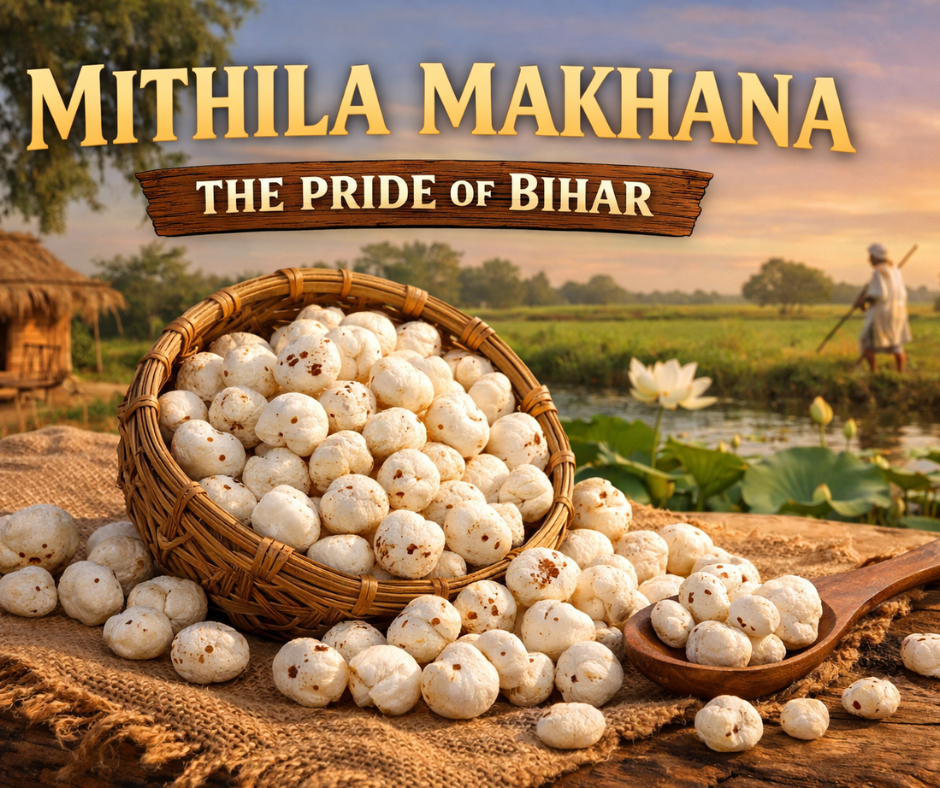
Fox nuts, commonly known as makhana, are light and crunchy seeds that people enjoy as a healthy snack. Farmers grow them from the aquatic plant Euryale ferox mainly in India. For generations, families have included makhana in their daily meals and festive dishes.
Today, many people eat fried and processed snacks. However, these foods often contain excess oil and artificial ingredients. In contrast, makhana offers a cleaner and more natural option. It provides a satisfying crunch while also delivering protein, fiber, and important minerals. As a result, it fits perfectly into a health-conscious lifestyle.

Fox Nuts – Proudly Made in India
Basic Overview of Fox Nuts
| Field | Details |
|---|---|
| Common Name | Fox Nuts / Makhana |
| Botanical Source | Euryale ferox Plant |
| Primary Production | India (mainly Bihar) |
| Category | Natural Healthy Snack |
| Processing Type | Roasted & Popped Seeds |
| Key Nutrients | Protein, Fiber, Magnesium, Antioxidants |
| Consumption Style | Plain roasted, flavored, sweet dishes |

Why Fox Nuts Are a Better Alternative to Junk Food
Modern packaged snacks contain refined flour, preservatives, and artificial flavors. Because of this, they may affect overall health when eaten regularly. On the other hand, makhana supplies natural nourishment without heavy processing.
Low in calories yet filling, helping control overeating
High in fiber, supporting digestion and gut health
Naturally low in fat, promoting heart wellness
Provides steady energy without sudden sugar crashes
Gluten-free and easy to digest, suitable for all age groups
Changing Snacking Trends
Makhana is increasingly preferred by:
Fitness enthusiasts
Working professionals
Students
Diet-conscious families
Wellness communities
As healthy eating trends rise, this traditional snack is gaining global recognition.
How Fox Nuts Are Processed from Farm to Market
1. Water-Based Cultivation
The Mariana plant naturally grows in ponds and wetlands where specific climatic conditions support its development. It thrives in stagnant water bodies and requires careful maintenance by farmers.
2. Manual Collection
Once the seeds mature, they sink to the bottom of the pond. Skilled farmers manually collect them from the water, making it a labor-intensive process.
3. Drying & Heating
After collection, the seeds are cleaned and sun-dried to reduce moisture. They are then heated to prepare them for the popping stage.
4. Traditional Popping
Using a specialized heating method, the hard outer shell is cracked, transforming the seeds into white, light, and crunchy fox nuts.
5. Quality Sorting & Packing
Popular Fox Nuts (Makhana) Brands
1. Too Yumm!
Established: 2016
Origin: India (Gurugram, Haryana)
Category: Healthy Snacks
Speciality: Flavored roasted makhana & baked snacks
About Brand: Too Yumm! is known for promoting better-for-you snack options. The brand offers peri-peri, pudina, and other flavored makhana varieties targeting young and health-conscious consumers.
2. Happilo
Established: 2016
Origin: India (Bengaluru, Karnataka)
Category: Premium Dry Fruits & Healthy Snacks
Speciality: Plain and roasted premium makhana
About Brand: Happilo focuses on high-quality dry fruits and superfoods. Their makhana products are popular among fitness enthusiasts and premium snack buyers.
3. Farmley
Established: 2017
Origin: India (Noida, Uttar Pradesh)
Category: Healthy Snacking Brand
Speciality: Roasted & flavored makhana
About Brand: Farmley offers a wide range of makhana flavors and positions itself as a modern, health-focused snack brand for daily consumption.
4. Mr. Makhana
Established: 2019
Origin: India (New Delhi)
Category: Makhana Specialist Brand
Speciality: Multiple innovative makhana flavors
About Brand: Mr. Makhana is a dedicated makhana-focused brand offering classic and premium flavors designed for urban consumers.
5. Open Secret
Established: 2019
Origin: India (Mumbai, Maharashtra)
Category: Clean Label Healthy Snacks
Speciality: Low-calorie and better-for-you snacks including makhana
About Brand: Open Secret promotes guilt-free snacking and offers makhana options with clean ingredient labels.
Frequently Asked Questions (FAQs)
What are makhana seeds good for?
Yes, fox nuts are generally healthier than fried snacks because they are low in fat, contain natural nutrients, and do not require deep frying. They offer a lighter and more balanced snacking option.
What is the Indian name for fox nuts?
In many parts of India, it is also called Phool Makhana. In some regions, especially in Bihar and Mithila, people simply refer to it as Makhan.
Why is Foxnut so expensive?
Fox nuts are expensive because they require labor-intensive farming and manual harvesting from ponds. The traditional, time-consuming processing also increases production costs.
Are fox nuts and makhana the same?
“Fox nuts” is the English name, while “makhana” is the Indian name commonly used in Hindi and other regional languages. Both refer to the popped seeds of the aquatic plant Euryale ferox.
1.What are makhana seeds good for?
Yes, fox nuts are generally healthier than fried snacks because they are low in fat, contain natural nutrients, and do not require deep frying. They offer a lighter and more balanced snacking option.
2. What is the Indian name for fox nuts?
In many parts of India, it is also called Phool Makhana. In some regions, especially in Bihar and Mithila, people simply refer to it as Makhan.
3. Why is Foxnut so expensive?
Fox nuts are expensive because they require labor-intensive farming and manual harvesting from ponds. The traditional, time-consuming processing also increases production costs.
4. Are fox nuts and makhana the same?
“Fox nuts” is the English name, while “makhana” is the Indian name commonly used in Hindi and other regional languages. Both refer to the popped seeds of the aquatic plant Euryale ferox.
5. Can I eat makhana daily?
Yes, you can eat makhana daily in moderation. A small handful (about 25–30 grams) is a healthy snack choice, especially when roasted and lightly seasoned.
6. Who should not eat fox nut?
People with thyroid disorders, low blood sugar, digestive issues, or specific seed allergies should avoid or limit fox nuts. If you have a medical condition, consult a doctor before consuming them regularly.
Conclusion
This traditional snack is more than just a food item; it represents a meaningful shift toward mindful and health-conscious snacking. At a time when processed and fried foods are widely available, makhana provides a natural and balanced option. Its light texture and strong nutritional profile make it a sensible replacement for calorie-dense junk foods. Choosing this wholesome snack is not only about satisfying cravings but also about adopting healthier eating habits and a smarter lifestyle.