Glow & Lovely (Fair & Lovely) – India's Most Iconic Skincare Rebrand
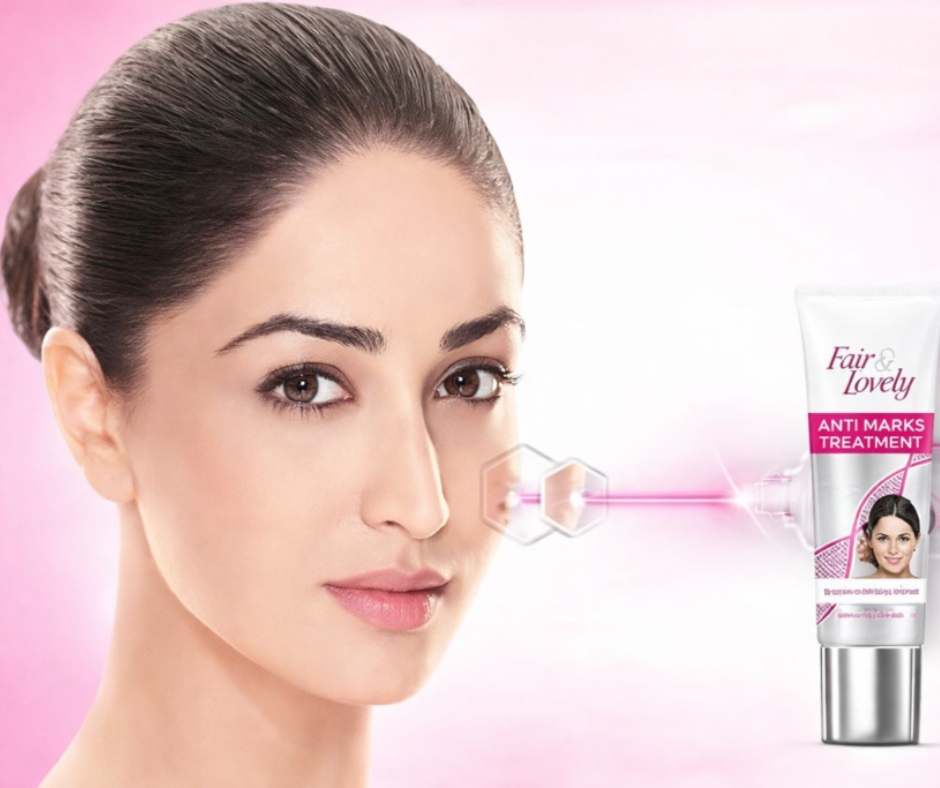
For nearly five decades, Fair & Lovely was one of the most recognized skincare brand names in Indian households. Launched in 1975 by Hindustan Unilever Limited (HUL), it grew into India’s dominant fairness cream- before making one of the most talked-about brand transformations in Indian consumer goods history. In 2020, the brand was rechristened Glow & Lovely, shedding its fairness-focused identity for a more inclusive vision of beauty centered on radiance, skin health, and confidence.
This is the full story of how a ₹3,000 crore category leader reinvented itself- and what it means for India’s beauty industry.
Brand Overview at a Glance
| Field | Details |
|---|---|
| Original Brand Name | Fair & Lovely |
| Rebranded Name | Glow & Lovely |
| Launched | March 1975 (India) |
| Manufacturer | Hindustan Unilever Limited (HUL) |
| Parent Company | Unilever |
| Patent Year | 1971 (Niacinamide formulation) |
| Rebranding Year | 2020 |
| Men’s Range | Glow & Handsome (formerly Fair & Lovely Men) |
| Key Ingredients | Niacinamide (Vitamin B3), Vitamins C & E, UVA/UVB Sunscreens |
| Market Presence | India, Bangladesh, Malaysia, Indonesia, Singapore, Sri Lanka, Pakistan & 40+ countries |
The Origins: Why Fair & Lovely Was Created
Unilever patented the Fair & Lovely brand in 1971, following the patenting of niacinamide — a melanin suppressor — as the cream’s core active ingredient. When it launched in 1975, it was marketed as the first cream worldwide to incorporate niacinamide for skin-brightening effects.
Fair & Lovely, a skin-lightening cosmetic cream, was officially launched by HUL in India in March 1975. At the time, the Indian skincare market was sparse — dominated only by products like Vaseline Petroleum Jelly and Pond’s Cold Cream. Fair & Lovely entered with a distinct promise and found an enormous, largely uncontested audience.
The product’s formulation — combining niacinamide with glycerine and UVA/UVB sunscreens — was positioned as a safe, affordable alternative to harsher skin treatments. Later improvements added vitamins B6, C, and E to further strengthen its skincare credentials.
Decades of Market Dominance
Fair & Lovely’s rise was meteoric. By the late 1990s, the brand had an undisputed 90% market share in India’s fairness cream segment. As of 2012, the brand occupied 80% of the lightening cream market in India and was one of Hindustan Unilever’s most successful cosmetics lines.
Fair & Lovely held 53% of the skin lightening cream market share in India in 2005, while its closest competitors — CavinKare’s Fairever Fairness Cream and Godrej’s FairGlow — held only 12% and 3.5% respectively.
The brand’s success was built on aggressive mass-media advertising, wide rural distribution through affordable sachets, and a price point accessible even at the bottom of the pyramid. By 2019, the Indian fairness cream market was reportedly worth nearly ₹3,000 crore, with revenues expected to reach ₹5,000 crore by 2023.
The Controversy Behind the Brand Name
Despite its commercial success, Fair & Lovely was never without criticism. Advertisements in the 1980s showed dark-skinned women unable to find husbands or jobs until applying fairness creams to achieve the “desirable” skin tone. These storylines continued in advertisements well into the 21st century.
The Advertising Standards Council of India (ASCI) issued guidelines in 2014 that prohibited ads from depicting dark-skinned people as disadvantaged or associating any skin tone with any specific kind of socio-economic class, ethnicity or community. Yet the cultural associations tied to Fair & Lovely’s brand identity persisted, and criticism intensified through the 2010s on social media.
2019–2020: The Shift That Changed Everything
Change began before the formal rebrand. In early 2019, HUL removed the cameo with two faces showing shade transformation, as well as shade guides from Fair & Lovely’s packaging, and the brand’s communication moved from fairness to glow — a more holistic and inclusive measure of healthy skin.
In June 2020, Hindustan Unilever Limited announced the renaming of its flagship skin-lightening brand “Fair & Lovely” to “Glow & Lovely,” amid global protests against racial injustice following George Floyd’s death and increased scrutiny of products promoting fairness as a beauty standard.
Unilever simultaneously announced the removal of words like “fair/fairness,” “white/whitening,” and “light/lightening” from products, packaging, and communications across its global beauty portfolio.
The men’s range of Fair & Lovely was simultaneously renamed Glow & Handsome.
What Changed — and What Stayed the Same
The rebrand went beyond a name change. Here is what evolved under the new Glow & Lovely identity:
Packaging — All shade guides, before-and-after transformation images, and fairness-related language were removed.
Formulation — Enhanced with vitamins B6, C, and E alongside niacinamide, now framed around skin barrier support, firmness, and overall radiance.
Advertising — New advertising campaigns featured messaging around confidence, glow, and skin health, moving away from fairness-focused communication.
Social Mission — Glow & Lovely Careers (formerly the Fair & Lovely Career Foundation) is one of Unilever’s largest purpose-driven initiatives and has more than 1.25 million women registered across its platforms.
Glow & Lovely Today – Product Range
Glow & Lovely now offers a broad lineup suited for India’s diverse climate and skin types:
- Advanced Multivitamin Cream – Core moisturising cream with niacinamide and vitamin complex
- Sun Protection Day Cream – SPF 15–30 for daily UV defense
- BB Cream – Coverage plus skin health benefits combined
- Face Wash & Cleansers – Oil and pollution control for Indian conditions
- Glow & Handsome (Men’s Range) – Sebum control, outdoor protection, post-shave care
- Sachets – Affordable trial packs for rural and value-driven markets
Key Milestones
1971 — Unilever patents the niacinamide-based formulation.
1975 — Fair & Lovely launched in India by HUL in March 1975.
1990s — Brand reaches ~90% market share in India’s fairness cream segment.
2003 — Fair & Lovely Career Foundation launched, offering scholarships to women.
2012 — Brand holds 80% of India’s lightening cream market; ranked 11th in Brand Equity’s Most Trusted Brands survey.
2014 — ASCI issues guidelines restricting colorist advertising in India.
2019 — HUL shifts brand communication from fairness to glow; shade guides removed from packaging.
June 2020 — HUL officially announces rebrand from Fair & Lovely to Glow & Lovely.
2021 — Glow & Lovely and Glow & Handsome reach Indian retail shelves under the new identity.
FAQS
Why was Fair & Lovely renamed to Glow & Lovely?
HUL renamed Fair & Lovely to Glow & Lovely in 2020 in response to global conversations around racial justice and colorism. It was part of Unilever’s wider commitment to remove fairness-related language from its entire beauty portfolio worldwide.
Who manufactures Glow & Lovely?
Glow & Lovely is manufactured by Hindustan Unilever Limited (HUL), the Indian subsidiary of global FMCG giant Unilever.
When was Fair & Lovely originally launched in India?
Fair & Lovely was launched in India in March 1975. The niacinamide formulation had been patented by Unilever in 1971.
Is Glow & Lovely a skin bleaching product?
No. HUL has consistently clarified that Glow & Lovely is not a skin bleaching product. It contains niacinamide (Vitamin B3), glycerine, and UVA/UVB sunscreens — ingredients focused on skin health, radiance, and even tone.
What is the men's version of Glow & Lovely?
The men’s range is branded as Glow & Handsome (formerly Fair & Lovely Men), relaunched under the new name alongside the 2020 rebrand.
Is Glow & Lovely available outside India?
Yes. Glow & Lovely is available across India, Bangladesh, Malaysia, Indonesia, Singapore, Sri Lanka, Pakistan, Mauritius, and is exported to Asian supermarkets in Western markets — covering 40+ countries in total.
What is Glow & Lovely Careers?
Formerly the Fair & Lovely Career Foundation (established 2003), Glow & Lovely Careers is one of Unilever’s largest purpose-driven programs, with over 1.25 million women registered for scholarships and career guidance.
Did the rebrand affect the brand's market position?
Glow & Lovely retained its leadership in India’s mass skincare segment post-rebrand. It continues to anchor HUL’s accessible skincare portfolio, supported by mass media, digital campaigns, and ingredient-focused marketing around niacinamide and vitamins.
Conclusion
The transformation of Fair & Lovely into Glow & Lovely is one of the most significant rebranding stories in Indian consumer goods history — not just because of the scale of the brand involved, but because of what it represents: a shift in how beauty is defined and marketed to Indian women.
From a cream that once promised a “fairer” future to one that now champions radiance, confidence, and skin health, Glow & Lovely’s journey mirrors India’s own evolving conversation about beauty standards. The product remains a daily essential for millions — but with a meaning that has fundamentally changed.