Breakfast Cereals: Manufacturing & Export Overview
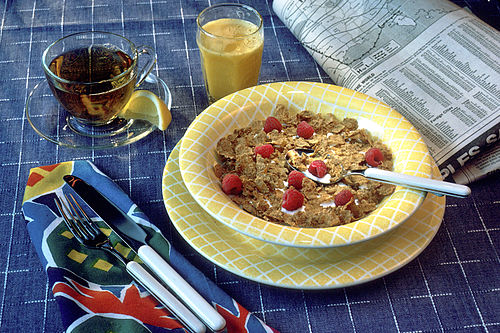
Evolution of the Industry
The transformation of breakfast cereal from a simple meal to a multi-billion-dollar global industry began in the United States with pioneers like James Caleb Jackson and John Harvey Kellogg. Their early inventions in the late 1800s paved the way for commercial cereal manufacturing, emphasizing health and convenience.
By the mid-20th century, cereal marketing had evolved into a cultural phenomenon — especially among children. Companies promoted cereals as a source of vitamins and minerals, using slogans such as “part of a complete breakfast.” However, many of these products were also high in sugar, leading to the term “sugar cereals” or “kids’ cereals.” These were frequently marketed using cartoon mascots, prizes, and colorful packaging to appeal to younger consumers.
Between 1970 and 1998, the number of breakfast cereal types in the United States more than doubled (from around 160 to 340). By 2012, there were nearly 5,000 varieties, thanks to mass customization and online retailing. The industry has consistently achieved profit margins of 40–45%, supported by steady global demand and product diversification.
Manufacturing Process
Modern breakfast cereals are produced through highly mechanized systems involving several stages:
Cleaning & Milling – raw grains (corn, oats, wheat, or rice) are cleaned and ground.
Cooking & Extrusion – grains are cooked under heat and pressure to form different shapes (flakes, puffs, loops).
Drying & Toasting – moisture is reduced to enhance crunchiness and shelf life.
Flavoring & Fortification – vitamins, minerals, sugar, honey, or chocolate coatings are added.
Packaging – cereals are sealed in moisture-proof pouches and boxes for global distribution.
This process allows for mass production while maintaining product uniformity and safety standards — essential for both domestic consumption and export markets.
Nutritional Profile
Breakfast cereals are rich in carbohydrates and dietary fiber and often fortified with vitamins (B-complex, D) and minerals (iron, calcium).
Oat-based cereals are praised for their heart health benefits.
Whole-grain cereals aid in digestion and energy release.
However, many commercial brands contain high sugar levels. The modern shift toward organic, low-sugar, and high-protein cereals reflects changing consumer preferences and global health awareness.
Market Growth and Export Trends
The breakfast cereal market has witnessed steady global expansion, driven by urbanization, changing lifestyles, and the increasing demand for quick, nutritious meals. Market analysts previously projected a CAGR of around 7.4%, a growth trend that continues today.
India has emerged as a significant producer and exporter, supplying corn flakes, oats, granola, and millet-based cereals to over 80 countries. The industry’s export potential continues to grow due to India’s cost-effective production, advanced food technology, and expanding trade networks.
Leading Manufacturers and Exporters
| Company / Brand | Established | Key Products / Export Focus | Official Website |
|---|---|---|---|
| Shanti Food Chem Pvt. Ltd. (India) | 1984 | Corn flakes, oats flakes, muesli, instant breakfast cereals; major exporter | https://www.shantis.com |
| Kellogg India Pvt. Ltd. | 1894 (India operations) | Global RTE cereal leader; India serves as export hub for South Asia | https://www.kelloggs.com/en-IN |
| Bagrry’s India Ltd. | 1986 | High-fiber, oat-based, and millet cereals; exports to 20+ countries | https://www.bagrrys.com |
| General Mills India Pvt. Ltd. | 1996 | Produces Cheerios, Trix, and fortified cereals; exports to APAC & Middle East | https://www.generalmills.co.in |
| Dorset Cereals Ltd. (United Kingdom) | 1989 | Premium muesli and granola; exports to 70+ countries globally | https://www.dorsetcereals.co.uk |
| Soulfull (Tata Consumer Products, India) | 2013 | Millet-based RTE cereals, children’s breakfast options; exports to UAE, Singapore | https://www.soulfull.co.in |
Industry Challenges and Opportunities
Challenges:
Rising concern over sugar content and artificial additives.
High competition from snack bars, smoothies, and protein-based breakfasts.
Complex export documentation and food safety compliance.
Opportunities:
Growing preference for whole-grain, gluten-free, and organic cereals.
Expansion in emerging Asian and African markets.
Innovation in packaging (resealable, single-serve) and flavor profiles.
Conclusion
The global breakfast cereal industry combines innovation, nutrition, and convenience, transforming a simple morning meal into a billion-dollar export market. From pioneers like Kellogg’s to emerging Indian brands like Shanti Foods, Bagrry’s, and Soulfull, manufacturers continue to adapt to changing consumer needs and health trends.
With rising exports, evolving technology, and growing global demand, the future of breakfast cereals lies in balancing health, taste, and sustainability — ensuring it remains part of a complete breakfast for generations to come.






Post Comment