Electric Scooter · Proudly Made in India · Hosur, Tamil Nadu
Ather 450X- India's Most Advanced Electric Scooter
146 km certified range. 7-inch touchscreen. Real OTA software updates. 1,800+ fast-charging points across 150+ Indian cities. The Ather 450X is the benchmark every EV competitor in India is chasing.
2013
Founded in Bengaluru
1800+
Atlas Charging Points
150+
₹2,000+Cr
Funding Raised
The product
What is the Ather 450X?
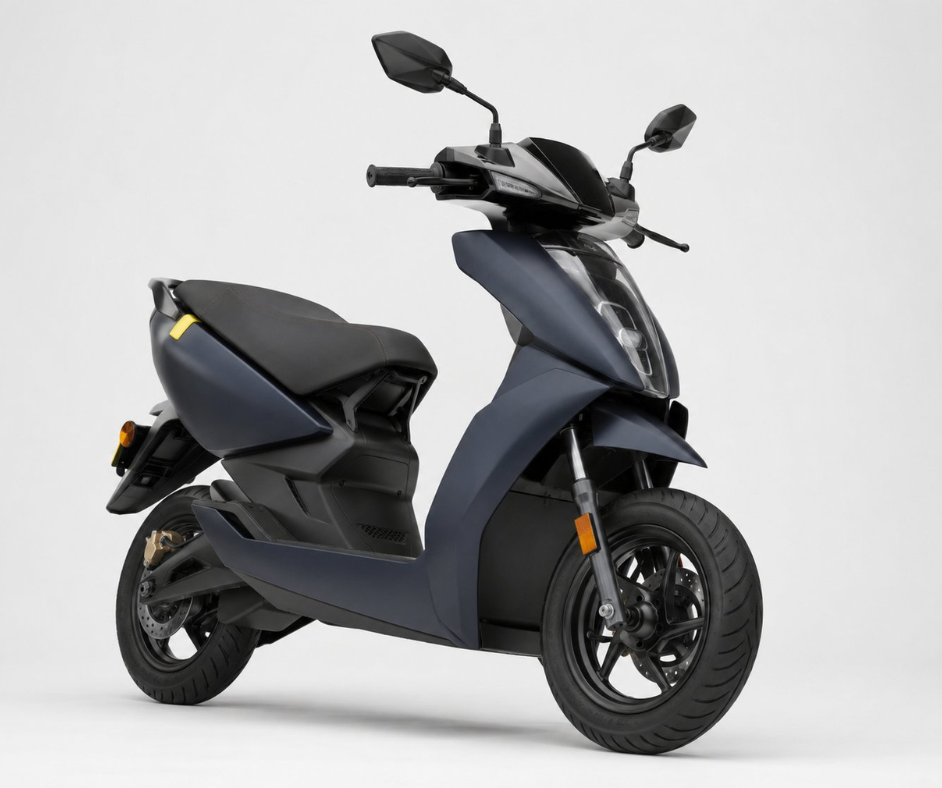
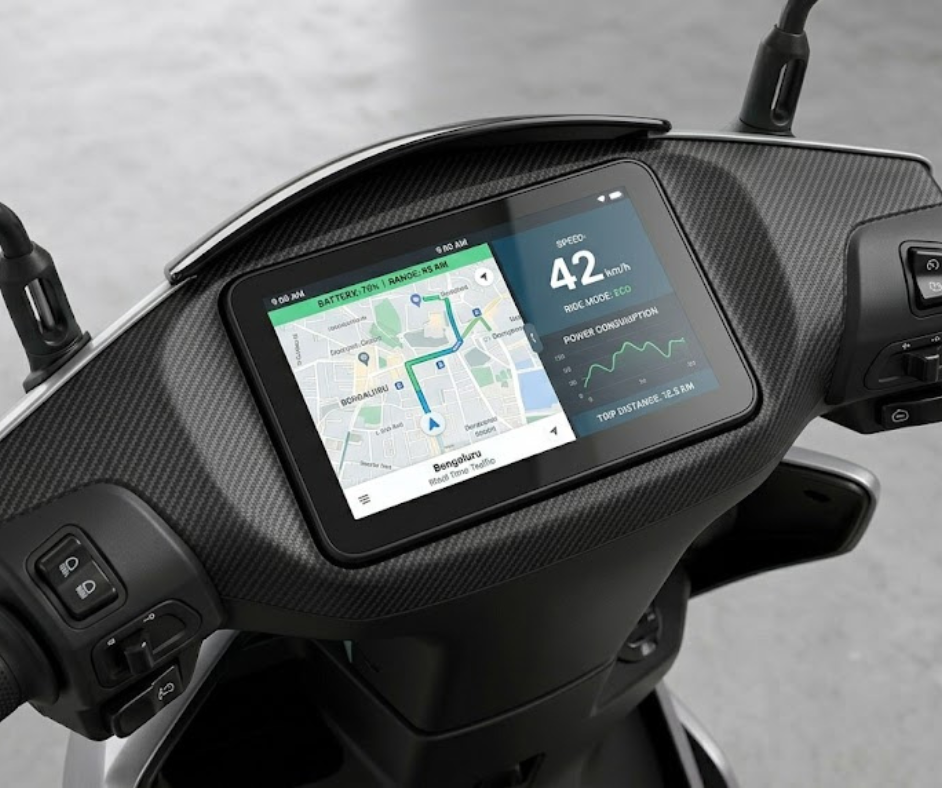
The Ather 450X is India’s flagship premium electric scooter- manufactured entirely in Hosur, Tamil Nadu. It runs a proprietary operating system with a 7-inch touchscreen dashboard and real over-the-air (OTA) software updates that improve your scooter’s performance and add features long after purchase. Every core component is designed and built in India- not re-badged Chinese hardware.
“Ather didn’t just build a scooter. They built an argument- that premium, software-first electric mobility wasn’t a compromise. It was an upgrade. And slowly, India started listening.”
⚡ Interested in Ather?
Visit Ather Website ↗ Book a test ride ↗Enquire via email ↗ Source / Distribute ↗
📞 Helpline: 1800 123 4444
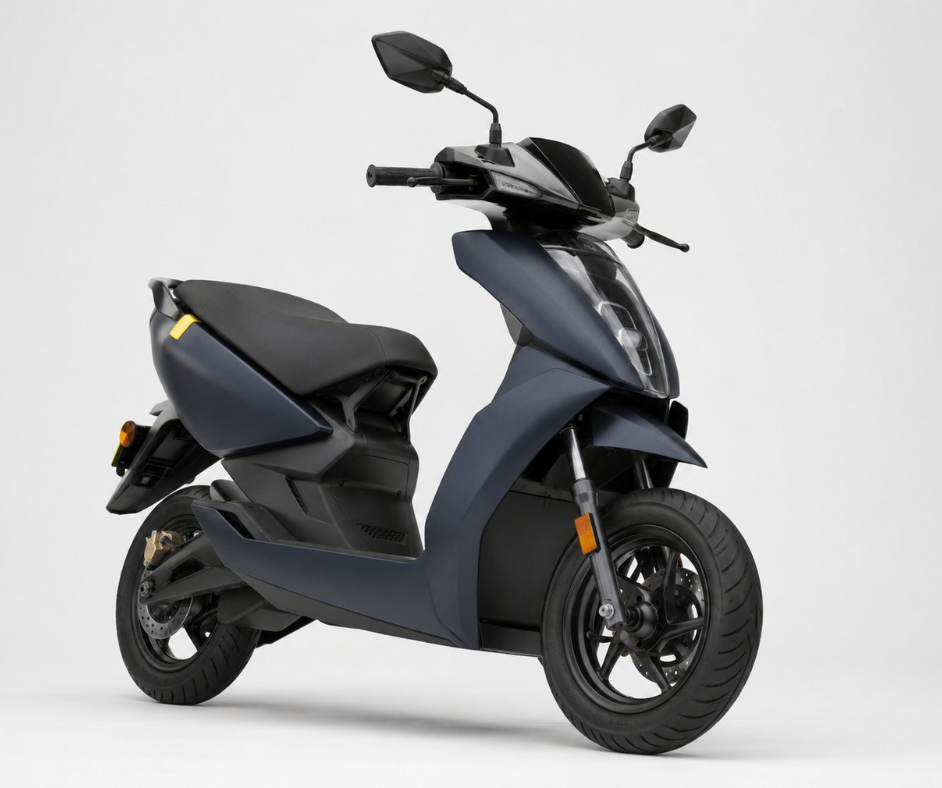
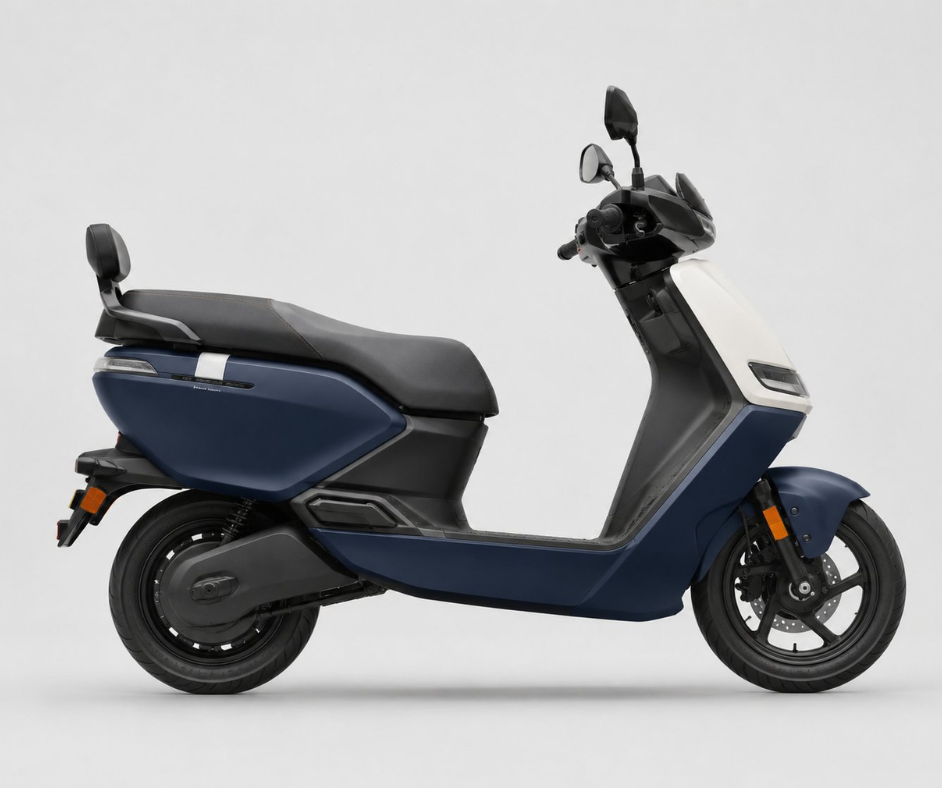
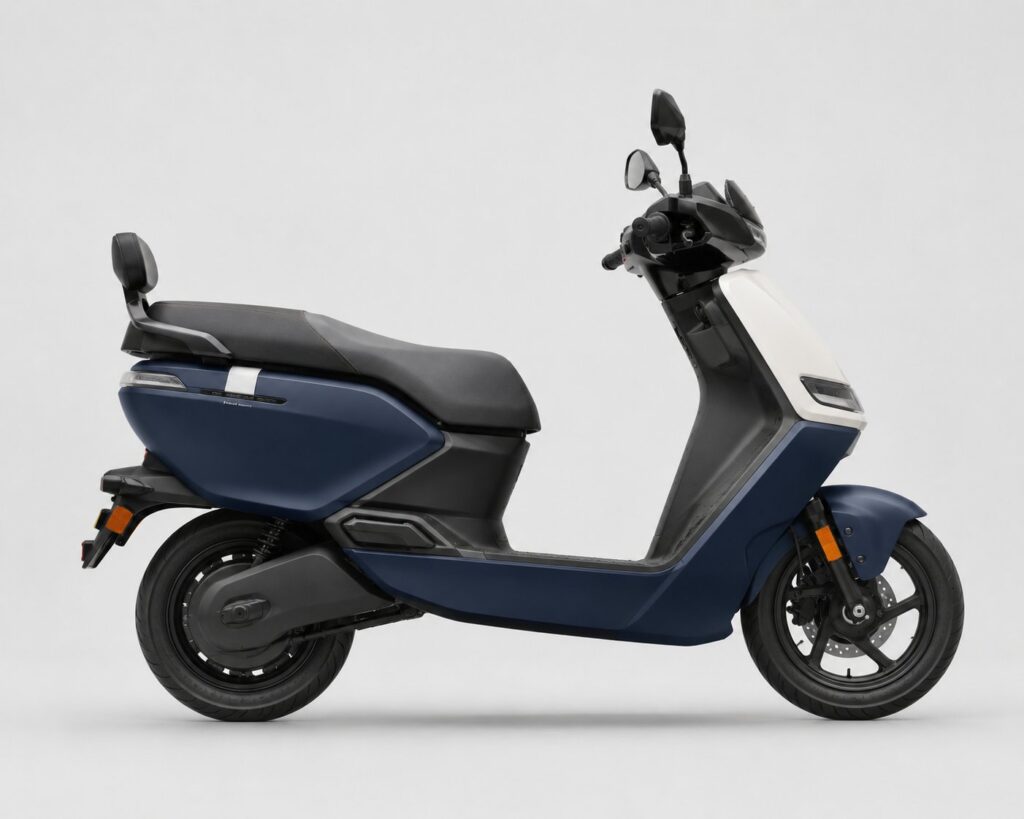
Ather 450X- Navy Blue, side profile
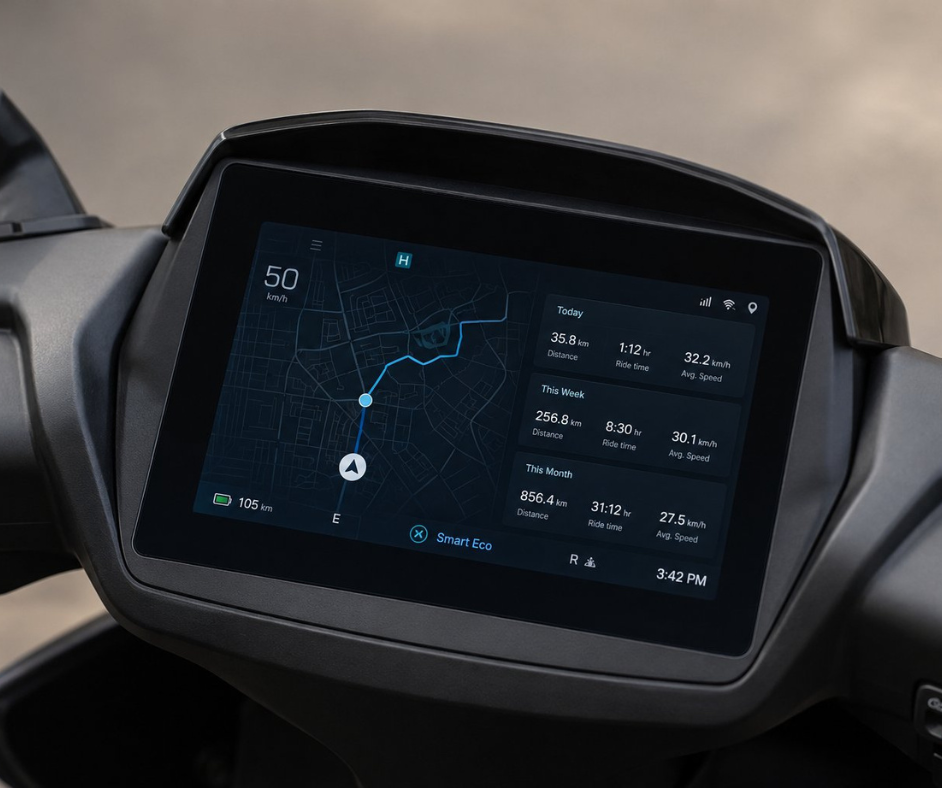
7" Touchscreen- Maps + Ride Analytics
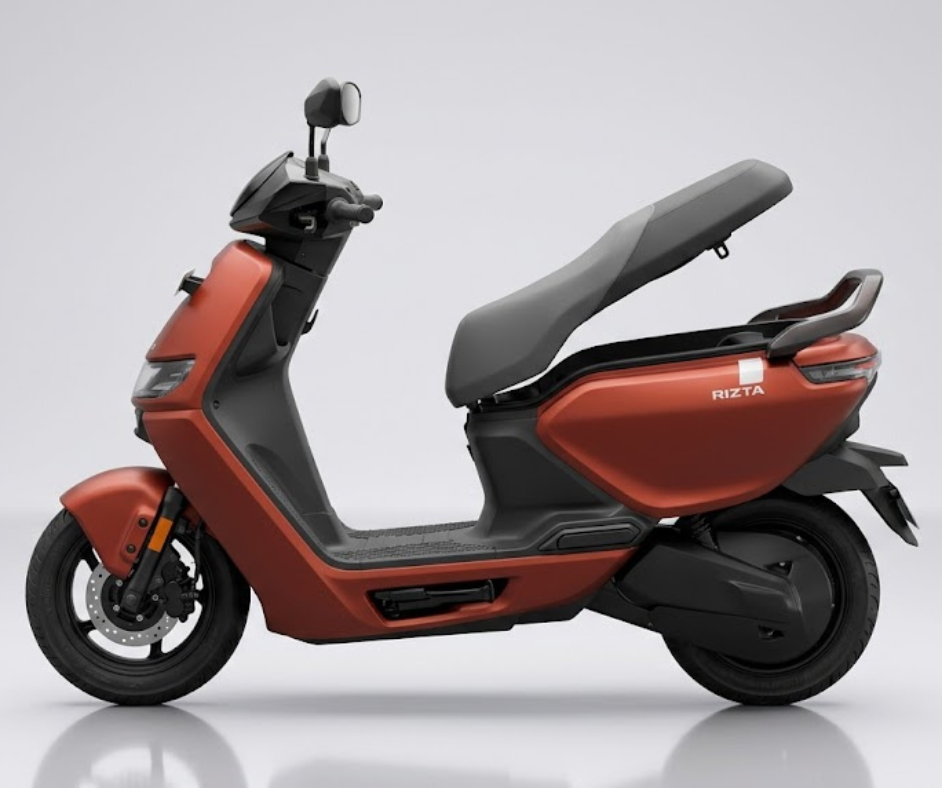
Built for families. Larger seat, generous under-seat storage, and comfort ergonomics for daily use with a pillion rider.
Full scooter lineup
All Ather models- 2024–25
Ather 450X
Flagship performance. 146 km IDC range, Warp mode, 7″ touchscreen, full OTA updates.
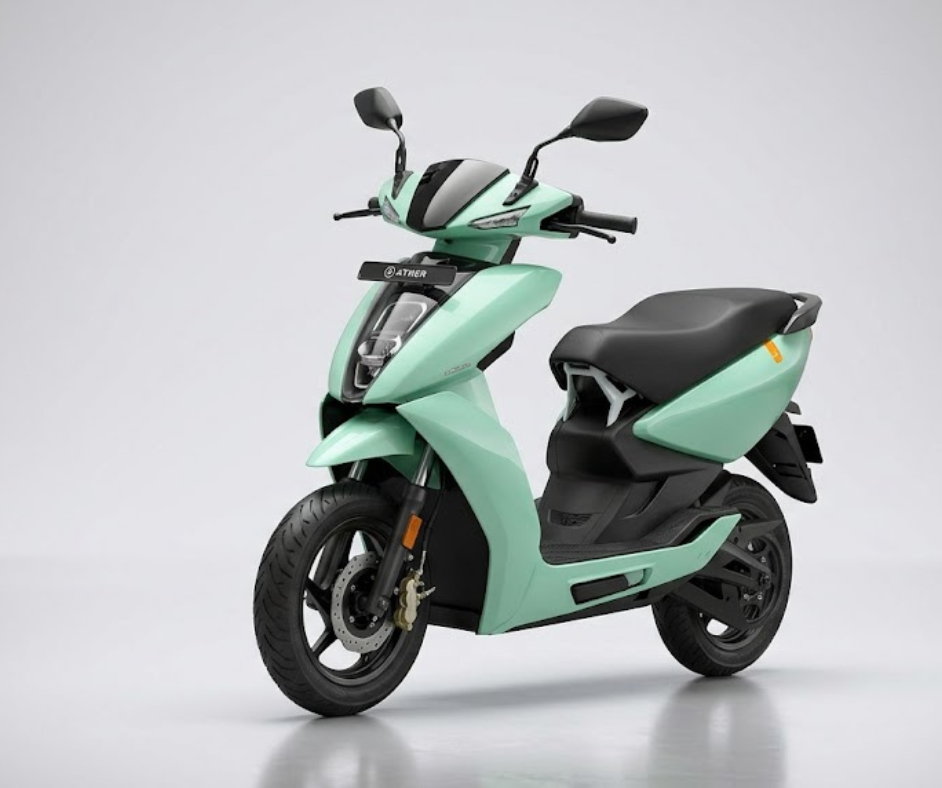
Ather 450S
Atlas charging network
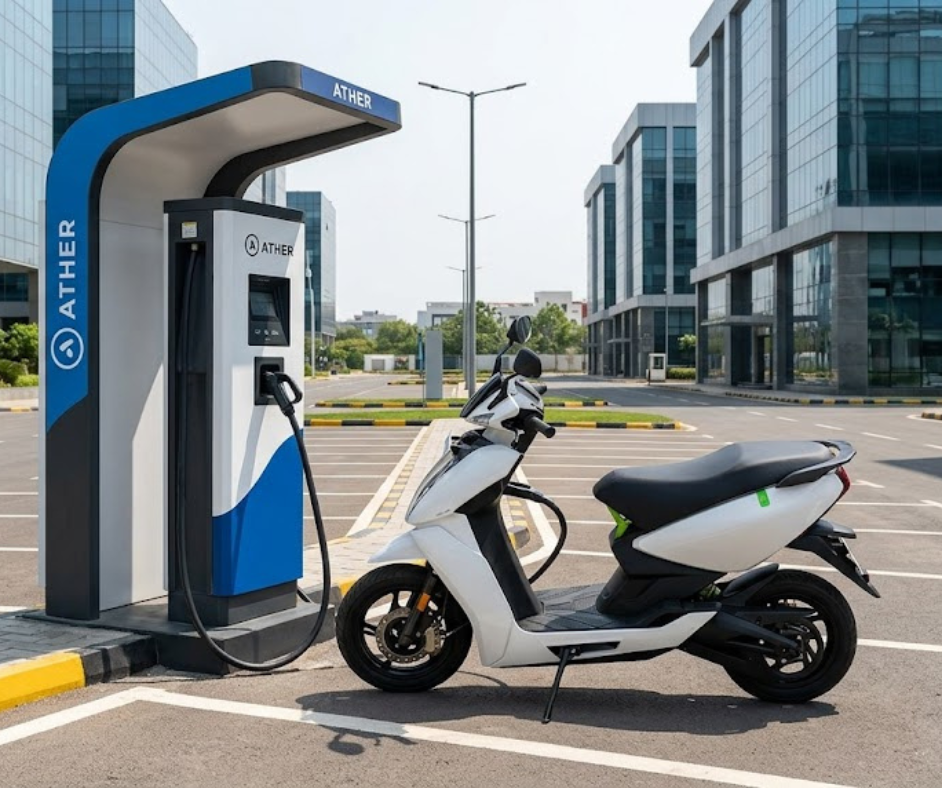
1,800+
150+
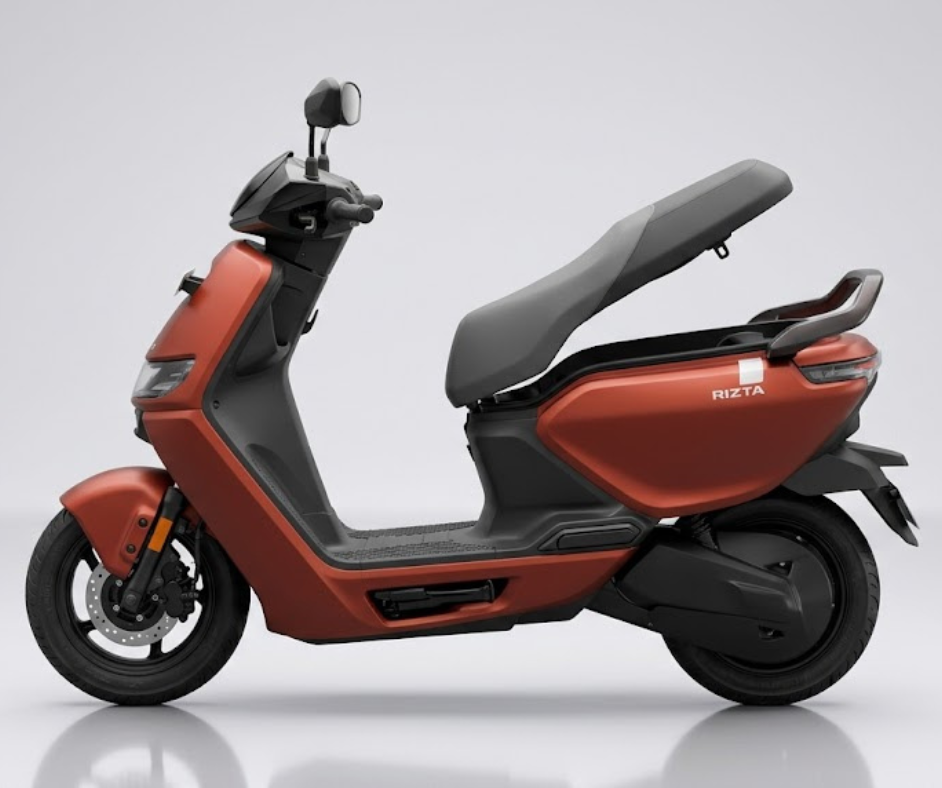
Ather Rizta
Designed for families. Larger seat, generous storage, comfort ergonomics for daily use.
Ather 450 Apex
Limited edition. Peak engineering for riders who demand the highest performance possible.
QUICK ENQUIRY
Want to buy, partner, or source Ather products? Our team responds within 24 hours.
💳 Send enquiry now Compare all models ↗ Ather One plan ↗ Subscribe for updates ↗Key features
7- inch touchscreen with OTA updates
India’s first scooter with a full touchscreen dashboard and wireless software updates. New features and performance improvements delivered wirelessly- no dealer visit needed.
146 km ARAI certified range
Real-world performance across city and highway conditions. Multiple riding modes- Eco, Ride, Sport, and Warp- let you choose speed vs. range for every journey.
Atlas network- 1,800+ charging points
Fast-charge infrastructure across 150+ Indian cities. Dot home charger + Atlas Grid public stations. Charge to 80% in under 1 hour. Range anxiety ends here.
Built in India- Hosur, Tamil Nadu
Ather One subscription
Includes AMC, connectivity services, and 24×7 roadside assistance. Own the scooter. Subscribe to complete peace of mind.
Atlas charging network
1,800+ fast-charging points across India
The Atlas Network covers 150+ cities. Dot home charger for overnight charging. Atlas Grid for fast top-ups on the go.
Charge to 80% in under 1 hour.
How it compares
PREMIUM EV SEGMENT — INDIA 2024–25
Brand at a glance
ATHER ENERGY — KEY FACTS
Final Thoughts
Ather Energy has emerged as one of India’s most influential electric mobility companies by combining premium product design, smart software integration, and a rapidly expanding charging ecosystem. Its focus on connected technology, over-the-air (OTA) updates, and a strong fast-charging network has helped set new benchmarks in the EV industry. As India’s electric vehicle market continues to grow, Ather remains well-positioned to drive innovation and accelerate the adoption of sustainable transportation.
If you’re interested in innovative Indian brands across different industries, you may also enjoy our detailed articles on, River Mobility, Ola Electric, and EMotorad. These guides highlight companies that are driving innovation in furniture, electric mobility, and sustainable transportation.
FAQs
What is Ather Energy and who founded it?
Founded in 2013 by IIT Madras graduates Tarun Mehta and Swapnil Jain, this Bengaluru-based EV company has become one of India’s leading electric scooter manufacturers. Backed by Hero MotoCorp and Tiger Global, it operates a dedicated production facility in Hosur, Tamil Nadu.
Which scooters are available in 2025?
The current lineup includes the 450X (performance-focused), 450S (everyday premium), Rizta (family-oriented commuter), and the limited-edition 450 Apex. These models feature touchscreen dashboards, connected technology, and over-the-air software updates.
What is the Atlas charging network?
Atlas is a fast-charging infrastructure network with more than 1,800 charging points across 150+ cities in India. It supports convenient charging for EV riders and is among the country’s largest two-wheeler charging ecosystems.
Is the company profitable and what is its IPO status?
The EV manufacturer filed for an IPO during 2024–25 and has secured funding of over ₹2,000 crore through multiple investment rounds. Like many growth-focused electric vehicle brands, it continues to invest in production capacity, technology development, and charging infrastructure.
How does it compare with Ola Electric?
While Ola Electric focuses on high-volume sales and competitive pricing, this Bengaluru-based brand is known for its premium positioning, software-driven features, charging ecosystem, and established service network. Buyers often compare affordability with overall ownership experience when choosing between the two brands.