Indian Spices: The Aromatic Essence of the Nation
Fragrant, colorful, and deeply rooted in India’s culture — spices are not merely ingredients but expressions of history, geography, and tradition. From the fiery heat of chilies to the golden glow of turmeric, every spice reflects India’s agricultural richness and culinary artistry.
In the culinary arts, a spice is any seed, fruit, root, bark, or other plant substance used primarily for flavoring, coloring, or preserving food. They are distinct from herbs, which are usually the leaves, flowers, or stems of plants used for flavoring or garnishing. Together, herbs and spices form the foundation of seasoning — a hallmark of Indian cuisine.
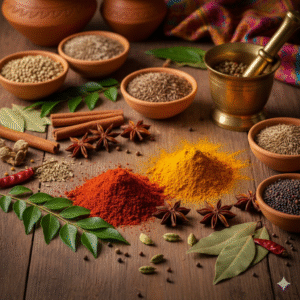
Origin and Identity
| Aspect | Details |
|---|---|
| Alternative Name | The Spice Heritage of India |
| Description | Aromatic plant parts — such as seeds, roots, barks, and fruits — used to flavor, color, or preserve food and sometimes applied in medicine, rituals, or cosmetics. |
| Type | Agricultural / Culinary Product |
| Primary Cultivation Regions | Kerala, Tamil Nadu, Karnataka, Andhra Pradesh, Gujarat, Rajasthan, Madhya Pradesh, West Bengal, Assam, and Odisha |
| Country of Origin | India 🇮🇳 |
| Global Recognition | India is known as the “Spice Bowl of the World”, contributing about 75% of global spice production. |
| Geographical Indication (GI) | Several Indian spices hold GI tags — such as Malabar Pepper, Coorg Green Cardamom, Mizo Chilli, Sikkim Large Cardamom, and Lakadong Turmeric. |
| Distinct Features | Naturally grown, sun-cured, rich in essential oils, diverse in aroma, and globally preferred for purity |
| Traditional Cultivation Method | Organic manure, mixed cropping, shade-grown farming, and hand-harvesting |
Historical Insight
The story of Indian spices is as old as civilization itself. For over 4,000 years, spices have shaped India’s trade, culture, and global connections. Ancient civilizations of Egypt, Greece, and Rome valued Indian spices such as pepper, cinnamon, and cardamom as highly as gold.
The Malabar Coast of Kerala became the world’s earliest spice hub, attracting Arab, Chinese, and European traders. The European quest for these treasures even sparked the Age of Exploration. Over centuries, Indian spices came to symbolize wealth, wellness, and world trade — and continue to flavor global cuisines today.
Culinary and Functional Uses
Spices can be used in a variety of forms — fresh, whole, dried, grated, crushed, ground, or extracted — depending on the desired flavor intensity and culinary style.
For example:
Whole spices (like cloves or cinnamon sticks) are used for slow-cooked dishes and have a long shelf life.
Ground spices (like turmeric or cumin powder) blend easily in curries and sauces.
Fresh spices (like ginger) offer stronger aroma and flavor but have shorter storage life.
Beyond the kitchen, many spices — such as vanilla, sandalwood, and cardamom — are used in cosmetics, perfumes, and religious rituals, representing purity and fragrance.
Although widely believed to promote health, current research suggests insufficient clinical evidence to confirm medicinal effects. However, traditional systems like Ayurveda have long used spices for wellness, digestion, and immunity.
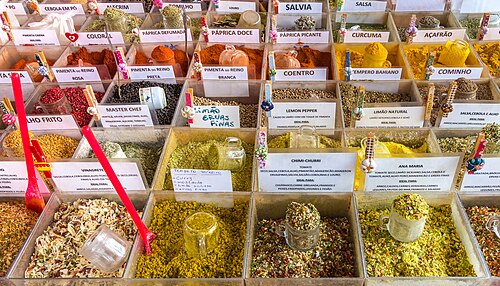
Major Indian Spices
| Spice Name | Primary Regions | Key Features |
|---|---|---|
| Black Pepper (Malabar / Tellicherry) | Kerala, Karnataka | Known as the “King of Spices,” rich aroma and heat |
| Cardamom (Coorg, Alleppey, Sikkim) | Kerala, Sikkim, Karnataka | Sweet and aromatic pods used in desserts and teas |
| Turmeric (Erode, Sangli, Lakadong) | Tamil Nadu, Maharashtra, Meghalaya | Golden color, antiseptic and anti-inflammatory |
| Cumin (Gujarat, Rajasthan) | Gujarat, Rajasthan | Warm, earthy flavor essential in Indian curries |
| Coriander (Kasti, Rajasthan) | Maharashtra, Rajasthan | Fragrant, citrusy seed used in powders and blends |
| Chilli (Guntur, Mizo, Byadgi) | Andhra Pradesh, Mizoram, Karnataka | Hot, vibrant, rich in capsaicin |
| Fenugreek (Methi) | Rajasthan, Madhya Pradesh | Aromatic and slightly bitter; aids digestion |
| Clove and Nutmeg | Kerala, Tamil Nadu | Sweet, warm aroma used in cuisines and perfumes |
| Mustard Seeds | Punjab, Bihar, West Bengal | Adds pungency and texture to pickles and sauces |
| Bay Leaf & Cinnamon | Eastern and Southern India | Adds depth and aroma to curries and biryanis |
Manufacture and Export
India’s spice sector integrates traditional cultivation with modern processing technology to meet global standards.
Spices are carefully cleaned, graded, dried, blended, and packaged in state-of-the-art facilities while retaining their natural oils and aromas.
Major Manufacturing and Processing Hubs:
Kerala (Kochi, Idukki): Pepper, Cardamom, Clove, Nutmeg
Andhra Pradesh (Guntur): Chilli and Spice Powders
Tamil Nadu (Erode, Salem): Turmeric, Curry Powders, Coriander
Gujarat (Unjha, Junagadh): Cumin, Fennel, Mustard
Maharashtra (Sangli, Latur): Turmeric, Garlic, Coriander Powder
Rajasthan & Madhya Pradesh: Fenugreek and Seed Spices
Processing Techniques:
Steam sterilization and cryogenic grinding for purity and preservation
ISO, HACCP, and FSSAI-certified plants for export compliance
Advanced packaging to retain freshness during long export transit
Export Highlights (2024–25):
India exports spices to over 180 countries
Contributes around 45% of global spice trade by volume
Top destinations: USA, UAE, UK, Bangladesh, Sri Lanka, Nepal, Malaysia, Germany
Top exported spices: Chilli, Turmeric, Cumin, Coriander, Cardamom, Pepper, and Spice Mixes
Estimated export value: USD 4.5–5 billion annually
📎 Verified Export Sources:
Sustainability and Farmer Empowerment
The spice economy also supports millions of small and marginal farmers.
🌱 Organic practices: Use of compost and natural pest repellents
💧 Water-saving irrigation: Rain-fed and drip systems
🔁 Crop rotation: Maintaining soil fertility and biodiversity
🤝 Farmer Producer Organizations (FPOs): Promote fair pricing and collective growth
Government bodies like the Spices Board of India ensure quality, traceability, and international market linkage for farmers and exporters alike.
Conclusion
From the misty hills of Kerala to the arid plains of Rajasthan, Indian spices are a celebration of diversity, flavor, and cultural richness. Each grain and pod carries centuries of craftsmanship, knowledge, and tradition.



Post Comment