Main Ingredient of Sambhar- 'Borsuri Tur Dal' for daily cooking
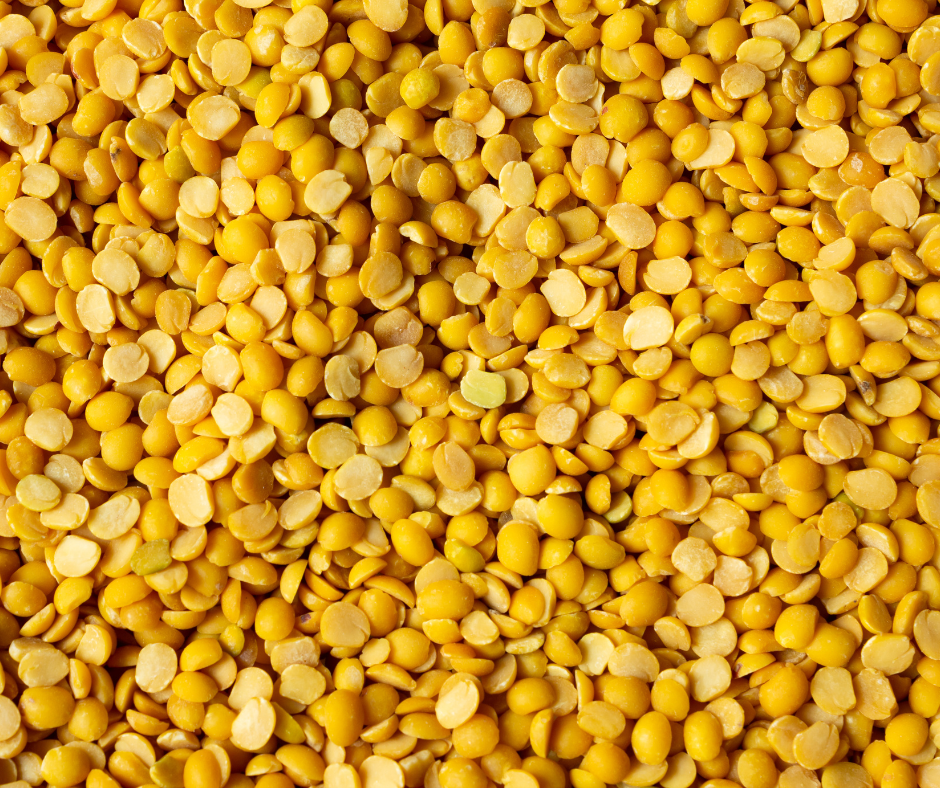
Borsuri Tur Dal is nothing new, just a variety of Tur Dal or Pigeon Pea, whose scientific name is Cajanus cajan. Also, it has many alternative names like Toor Dal, Borsri Tur Dal, or Pandhari Tur. The name Borsuri comes from the location where it is cultivated the most, the Borsuri village of Nilanga taluka in Latur district, located in Maharashtra. This Dal is a premium quality of Tur Dal or Toor Dal and is renowned for its distinctive aroma, rich in protein, and it stands as a symbol of pride and of Indian kitchens.
From the rain-fed fields of Latur to export markets abroad, Borsuri Tur Dal represents the perfect harmony between traditional farming and modern agro-processing excellence.
Origin and Identity
| Aspect | Details |
|---|---|
| Alternative Name | Pandhari Tur |
| Description | A premium pigeon pea (Cajanus cajan) variety known for its golden color, rich aroma, and high protein content. |
| Type | Pulse / Legume (Tur Dal) |
| Primary Cultivation Area | Borsuri village and adjoining regions of Latur district, Maharashtra |
| Country of Origin | India 🇮🇳 |
| Registered (GI/Recognition Date) | 30 March 2024 |
| Distinct Features | Naturally sun-dried, low moisture, smooth texture, long shelf life |
| Traditional Farming Method | Grown under rain-fed conditions in black cotton soil using minimal fertilizers |
Historical Insight:
The legacy of Borsuri Tur Dal traces back generations in the Latur region, where smallholder farmers perfected the art of pulse cultivation. The black cotton soil (locally called Regur) and semi-arid climate of Vidarbha and Marathwada regions create the ideal conditions for producing this nutrient-dense and flavorful dal.
Manufacturing and Processing
The journey of Borsuri Tur Dal from field to fork involves a combination of skilled manual work and advanced milling technology to ensure purity, hygiene, and consistency.
Step — Description
1. Cleaning
Raw pigeon peas are thoroughly cleaned to remove dust, stones, and husks.
2. Grading
Seeds are sorted by size and density for uniformity.
3. Dehusking
The outer layer is removed using gentle emery rollers to retain nutrients.
4. Splitting
Pulses are split evenly to produce high-quality dal.
5. Polishing
Dal is polished to a natural golden sheen using minimal surface treatment.
6. Quality Check
Tested for purity, moisture content, and nutritional value.
7. Packaging
Hygienically packed in food-grade, moisture-proof packaging.
Manufacture and Export
Borsuri Tur Dal has steadily made its mark in domestic and international markets due to its superior taste, high protein value, and quality assurance. With the support of APEDA, MSAMB, and local farmer cooperatives, the region has emerged as a key hub for pulse exports.
Aspect — Details
Export Destinations
UAE, UK, Singapore, Bangladesh, Nepal, and Sri Lanka
Export Season
January – June
Export Form
Cleaned, Split, and Polished Tur Dal
Packaging Options
1 kg, 5 kg, 25 kg, and 50 kg export-grade laminated bags
Certifications
FSSAI, APEDA, Agmark, ISO 22000
Trade Support
Maharashtra State Agricultural Marketing Board (MSAMB) and APEDA initiatives for pulse export promotion
Nutritional and Economic Significance
Beyond its flavor, Borsuri Tur Dal plays a vital role in India’s food security and rural economy. Thousands of farmers depend on this crop for their livelihood, contributing to Maharashtra’s pulse production and export growth.
| Nutrient | Value (per 100g) |
|---|---|
| Energy | 335 kcal |
| Protein | 22 g |
| Carbohydrates | 60 g |
| Fat | 1.5 g |
| Fiber | 8 g |
| Iron | 5 mg |
Health Benefits:
Excellent source of plant-based protein and fiber
Supports heart and digestive health
Gluten-free and diabetic-friendly
Ideal for vegetarian and vegan diets
Sustainability and Farmer Empowerment
The cultivation of Borsuri Tur Dal follows eco-friendly and sustainable practices:
🌱 Organic fertilization with cow dung and compost
💧 Rain-fed irrigation systems for water conservation
🔁 Crop rotation to maintain soil fertility
🤝 Farmer Producer Organizations (FPOs) that ensure fair pricing and collective growth
These initiatives promote environmental balance while empowering rural farming communities.
Conclusion
From the fertile fields of Latur to dining tables across the globe, Borsuri Tur Dal embodies the spirit of Maharashtra — pure, nutritious, and full of life. Each grain tells a story of tradition, craftsmanship, and dedication — a testament to India’s enduring agricultural excellence. As global demand for natural and high-protein foods continues to grow, Borsuri Tur Dal proudly shines as the Golden Pulse of Maharashtra and a symbol of India’s agri-export success.