Premium Muga Silk – Handwoven Elegance from India
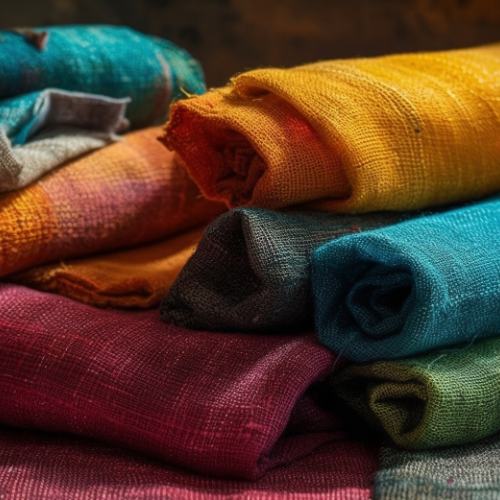
Muga Silk, often known as the “Golden Silk of Assam,” is one of India’s most exquisite and rare natural fibers. Renowned for its golden-yellow sheen, rich texture, and unmatched durability, it is a symbol of luxury, heritage, and craftsmanship.
Produced exclusively in the state of Assam, Muga Silk reflects India’s ancient weaving traditions and stands as a timeless emblem of the country’s cultural pride.
History and Origin of Muga Silk
The origin of Muga Silk traces back to the Ahom dynasty over 300 years ago. It was once reserved for royalty and nobility, symbolizing prestige and grandeur. The silk is produced by the semi-domesticated silkworm Antheraea assamensis, native only to Assam.
Its natural golden glow, which never fades but deepens with time, makes it one of the most unique silks in the world.
Cultivation and Production Process
Assam’s humid climate, abundant greenery, and moderate temperature provide the perfect conditions for Muga silkworm cultivation. The entire process — from rearing to weaving — is eco-friendly and largely done by hand, ensuring purity and sustainability.
| Step | Process | Details |
|---|---|---|
| 1 | Host Plant Cultivation | Silkworms feed on Som (Machilus bombycina) and Soalu (Litsea polyantha) plants. |
| 2 | Rearing | Worms are reared in open natural conditions until they spin golden cocoons. |
| 3 | Cocoon Harvesting | Fully formed cocoons are handpicked and sun-dried. |
| 4 | Reeling | Fine silk threads are manually reeled to retain the natural sheen. |
| 5 | Weaving | Traditional handlooms are used by skilled artisans, mainly women. |
| 6 | Finishing | Fabrics are left in their natural golden color or dyed with natural pigments. |
Manufacture and Export
Muga Silk weaving is centered in Sualkuchi, often called the “Manchester of the East.” Other key districts include Dibrugarh, Jorhat, Lakhimpur, and Goalpara. The entire production is artisan-driven, using sustainable, non-mechanized techniques.
| Aspect | Details |
|---|---|
| Type | Handicraft |
| Material | Silk |
| Area | Assam |
| Country | India |
| Registered (GI Tag) | 2007 |
| Major Hubs | Sualkuchi, Dibrugarh, Jorhat |
| Domestic Demand | Sarees, Mekhela Chadors, stoles, dupattas, and luxury garments |
| Export Destinations | Japan, France, Italy, UAE, UK, Singapore, USA |
| Support Bodies | Central Silk Board, Assam Sericulture Department, Silk Mark Organisation of India |
The government and various cooperative societies support Muga Silk through training, quality certification, and export promotion under the “India Handloom Brand” and “Silk Mark” initiatives.
Cultural and Economic Importance
Muga Silk is deeply tied to Assamese identity and tradition. Worn during festivals, weddings, and rituals, it represents grace and prosperity. Economically, the industry sustains thousands of rural families, empowering women artisans and promoting sustainable livelihoods.
Recognition and Global Reach
In 2007, Muga Silk received the prestigious Geographical Indication (GI) Tag, affirming its authenticity and regional exclusivity.
Today, Muga Silk is celebrated globally for its eco-friendly production, natural brilliance, and luxury appeal, finding a place in international fashion houses and high-end boutiques.
Conclusion
From the lush green valleys of Assam to the fashion capitals of the world, Muga Silk continues to shine as India’s true “Golden Fabric.”
Its rare beauty, sustainable craftsmanship, and royal legacy make it not just a textile — but a living tradition of artistry, nature, and timeless elegance.







Post Comment