Leather Bags: India’s Timeless Craft of Elegance and Endurance
India, a land celebrated for its intricate artistry and deep-rooted craftsmanship, has long been home to exquisite leather products that blend functionality with cultural richness. Among these, leather bags stand out as symbols of timeless elegance and durability—an ethnic craft that marries tradition with modern utility. Crafted by skilled artisans using age-old techniques, Indian leather bags are admired worldwide for their fine workmanship, natural texture, and eco-friendly tanning methods. From royal courts to contemporary fashion runways, these bags have evolved over centuries, retaining their authentic charm while embracing global trends.
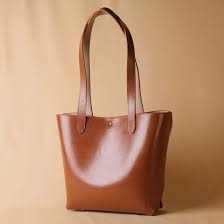
📜 History and Cultural Significance
Leatherworking in India dates back to the Indus Valley Civilization (circa 3000 BCE), with evidence of animal hides used in tools, footwear, and garments.
During the Mughal era (16th–19th centuries), leather craftsmanship flourished as a refined art, producing intricately designed pouches, saddlebags, and decorative covers adorned with embroidery, metallic studs, and natural dyes.
Leather bags became symbols of prestige and practicality for traders, travelers, and nobility. Historically, leatherwork was practiced by specialized communities, such as the Chamar and Mochi castes, who passed down techniques through generations. Today, a diverse group of artisans continues this legacy, preserving authenticity while adapting to modern markets. Each bag tells a story of heritage, skill, and sustainability, embodying India’s enduring craftsmanship.
📍 Origin City/Region: The Leather Hubs of India
India’s leather bag industry thrives in several regions, each contributing unique styles and techniques:
| Region | Specialty | Notes / Global Recognition |
|---|---|---|
| Kanpur, Uttar Pradesh | Premium vegetable-tanned leather | India’s “Leather City”; major export hub |
| Kolkata, West Bengal | Soft, fine-grain leather | Fashion-forward handbags, wallets, purses |
| Chennai (Vellore/Ambur), Tamil Nadu | Eco-conscious tanning | High-quality leather bags; LWG-certified |
| Rajasthan (Jodhpur/Udaipur) | Embossed & mirror-work leather | Traditional motifs, vibrant designs |
| Maharashtra (Kolhapur) | Sturdy hand-stitched bags | Kolhapuri-style craftsmanship |
These regions showcase India’s diverse leather heritage, from Kanpur’s robust utility to Rajasthan’s artistic flair.
⚗️ Traditional Making Process
| Step | Process | Details |
|---|---|---|
| 1️⃣ Selection of Leather | Choose hides based on texture & strength | Buffalo, cow, or goat hides; vegetable-tanned preferred |
| 2️⃣ Tanning | Natural tanning using bark, seeds, or fruits | 2–6 weeks; develops rich patina & durability |
| 3️⃣ Cutting & Pattern Making | Stretched and cut into shapes | Templates & hand-marked patterns minimize waste |
| 4️⃣ Stitching & Assembly | Hand-stitching with waxed cotton or nylon thread | Saddle stitching for strength; regional embellishments added |
| 5️⃣ Finishing & Polishing | Natural oils or beeswax | Adds shine, softness, and aesthetic motifs |
| 6️⃣ Quality Check & Packaging | Inspection for stitching, finish, and durability | Ensures premium standard before market release |
Global Appeal and Recognition
Indian leather bags have earned a strong international reputation for their craftsmanship, eco-friendliness, and design versatility. Key highlights:
Sustainability: Vegetable tanning and chromium-free methods; often LWG-certified
Handcrafted Excellence: Unique artisanal individuality in every bag
Design Versatility: Rustic messenger bags to luxury handbags with block-printed textiles
Competitive Pricing: Affordable, high-quality products appealing to global buyers
India exports leather goods to over 100 countries, with bags and accessories forming ~20–25% of the $5.2 billion leather export market (FY 2023–24). Major markets include the USA, Germany, UK, Italy, and France. The industry employs ~4 million people, empowering rural and marginalized communities.
🏭 Major Leather Bag Brands & Exporters
| # | Brand / Company | Headquarters | Website / Source | Notes / Export Details |
|---|---|---|---|---|
| 1 | Hidesign | Pondicherry | hidesign.com | Luxury handcrafted bags; exports to 25+ countries |
| 2 | Da Milano | Mumbai | damilano.com | Premium leather handbags, belts; strong retail presence globally |
| 3 | Baggit | Mumbai | baggit.com | Eco-friendly vegan leather; urban fashion bags; international exports |
| 4 | Caprese | Mumbai | capresebags.com | Contemporary designs; exports across Middle East & Europe |
| 5 | Lino Perros | Bengaluru | linoperros.com | Fashion-forward handbags; e-commerce friendly |
| 6 | Woods & Beyond | Chennai | woodsandbeyond.com | Sustainable, handcrafted leather; boutique collections |
| 7 | TanHub | Kanpur | tanhub.com | Traditional vegetable-tanned leather; export to USA & Europe |
| 8 | Ustraa Leather | Jaipur | ustraaleather.com | Artisanal, embossed designs; domestic & limited global exports |
| 9 | Vero Moda Leather | Delhi | veromoda.in | Premium urban bags; fashion retail chains |
| 10 | Leather Kart | Delhi | leatherkart.com | Variety of bags; strong online presence & exports |
✨ Brand Spotlight: Hidesign
| Founded | Founder | Headquarters | Highlights |
|---|---|---|---|
| 1978 | Dilip Kapur | Pondicherry, India | Blends minimal European aesthetics with Indian techniques; eco-friendly practices; exports to 25+ countries; luxury handbags, laptop bags, travel accessories |
Challenges & Resilience
Despite global demand, the industry faces competition from synthetic leather and labor-intensive production. Artisans and brands adapt via certifications, e-commerce, and modern designs, ensuring longevity and global relevance.
🇮🇳 Conclusion: Proudly Made in India
Indian leather bags are more than accessories—they embody cultural continuity, craftsmanship, and sustainability. From Kanpur workshops to Pondicherry design studios, each bag reflects India’s artisanal excellence.
With brands like Hidesign leading the way, and growing global demand via FTAs and e-commerce, Indian leather bags proudly uphold the spirit of “Made in India, Loved Worldwide.”
Leather Bags: India’s Timeless Craft of Elegance and Endurance
History and Cultural Significance
Leatherworking in India dates back to the Indus Valley Civilization (circa 3000 BCE), with evidence of animal hides used in tools, footwear, and garments.
During the Mughal era (16th–19th centuries), leather craftsmanship flourished as a refined art, producing intricately designed pouches, saddlebags, and decorative covers adorned with embroidery, metallic studs, and natural dyes.
Leather bags became symbols of prestige and practicality for traders, travelers, and nobility.
Historically, leatherwork was practiced by specialized communities, such as the Chamar and Mochi castes, who passed down techniques through generations.
Today, a diverse group of artisans continues this legacy, preserving authenticity while adapting to modern markets. Each bag tells a story of heritage, skill, and sustainability, embodying India’s enduring craftsmanship.
Origin City/Region: The Leather Hubs of India
India’s leather bag industry thrives in several regions, each contributing unique styles and techniques:
Kanpur, Uttar Pradesh: Known as India’s “Leather City”, Kanpur produces premium vegetable-tanned leather since the 19th century. It’s a major export hub, renowned for durable, hand-tooled bags.
Kolkata, West Bengal: Famous for soft, fine-grain leather, Kolkata crafts fashion-forward handbags, wallets, and purses blending vintage charm with modern aesthetics.
Chennai (Vellore/Ambur), Tamil Nadu: A leader in eco-conscious tanning, Tamil Nadu produces high-quality leather bags for global markets, often certified by the Leather Working Group (LWG).
Rajasthan (Jodhpur/Udaipur): Known for embossed leather and mirror-work bags, adding vibrant, traditional motifs.
Maharashtra (Kolhapur): Home to Kolhapuri-style leatherwork, featuring sturdy, hand-stitched designs.
These regions showcase India’s diverse leather heritage, from Kanpur’s robust utility to Rajasthan’s artistic flair.
Traditional Making Process
Crafting an Indian leather bag is a delicate balance of heritage and precision. While modern tools exist, many artisans rely on traditional methods, giving each piece a unique personality.
Step 1: Selection of Leather
Artisans choose buffalo, cow, or goat hides based on the bag’s intended strength and texture.
Vegetable-tanned leather is preferred for its natural finish and eco-friendly properties.
Step 2: Tanning
Hides are tanned using natural materials like bark, seeds, or fruit extracts (e.g., myrobalan or acacia) — a process taking 2–6 weeks.
This enhances durability and develops a rich patina over time.
Step 3: Cutting and Pattern Making
Tanned leather is stretched, flattened, and cut into precise shapes using templates.
Artisans mark patterns by hand to minimize waste, ensuring efficiency.
Step 4: Stitching and Assembly
Pieces are hand-stitched using waxed cotton or nylon thread, often via saddle stitching for strength.
Regional embellishments like Jodhpuri embossing or Rajasthani mirror work may be added.
Step 5: Finishing and Polishing
Bags are polished with natural oils or beeswax for shine and softness.
Traditional motifs, hand-tooling, or block-printed textile linings enhance aesthetic appeal.
Step 6: Quality Check and Packaging
Each bag undergoes rigorous inspection for stitching, finish, and durability before reaching the market.
This labor-intensive process, rooted in patience and passion, creates not just accessories but works of art reflecting India’s artisanal legacy.
Global Appeal and Recognition
Indian leather bags have earned a strong global reputation for their craftsmanship, affordability, and sustainability.
Key factors include:
Sustainability: Vegetable tanning and chromium-free methods align with eco-conscious trends, often LWG certified.
Handcrafted Excellence: Each bag showcases artisanal individuality, ensuring uniqueness.
Design Versatility: From rustic messenger bags to luxury handbags, designs blend leather with block-printed textiles.
Competitive Pricing: High quality at affordable prices appeals to global buyers.
India exports leather goods to over 100 countries, with bags and accessories forming ~20–25% of the $5.2 billion leather export market (FY 2023–24).
Major markets: USA, Germany, UK, Italy, and France — boosted by FTAs (e.g., India-UK) and e-commerce platforms like Amazon India.
The industry employs ~4 million people, empowering rural and marginalized communities.
Brand Spotlight: Hidesign
Overview
Hidesign, a global icon of Indian leather craftsmanship, is synonymous with luxury, sustainability, and artistry.
Founded: 1978
Founder: Dilip Kapur
Headquarters: Pondicherry, India
Estimated Turnover: ₹250–300 crore (USD 30–35 million)
Export Reach: Over 25 countries, including the UK, USA, Australia, and Europe
Hidesign began as a small workshop in Pondicherry, where Dilip Kapur revived vegetable tanning and handcrafted leather goods.
Today, it blends minimalist European aesthetics with Indian techniques, producing handbags, laptop bags, and travel accessories.
Its commitment to eco-friendly practices and fair trade has made it a trusted global brand.
Innovations like vegan leather and textile fusions keep Hidesign at the forefront of sustainable luxury.
Challenges and Resilience
Despite global demand, the industry faces challenges such as competition from synthetic leather and labor-intensive production.
Yet, artisans and brands adapt by embracing certifications, e-commerce, and modern designs, ensuring the craft’s longevity and global relevance.
Conclusion: Proudly Made in India
Indian leather bags are more than fashion accessories—they embody cultural continuity, craftsmanship, and sustainability.
From Kanpur’s workshops to Pondicherry’s design studios, each bag narrates India’s enduring relationship with natural materials and artisanal excellence.
Employing millions and blending tradition with innovation, the industry thrives in a world craving conscious consumption.
With brands like Hidesign leading the way, and growing global demand via FTAs and e-commerce, Indian leather bags proudly uphold the spirit of “Made in India, Loved Worldwide.”




Post Comment