Goan Cashew Feni: The Spirit of Goa in Every Drop
From the sun-kissed beaches and vibrant festivals of Goa emerges a drink that captures the very essence of its people—Goan Cashew Feni.
More than just a beverage, Feni represents centuries of craftsmanship, local ingenuity, and the joyful spirit of India’s smallest state.
Distilled from the juice of cashew apples, this traditional liquor holds a Geographical Indication (GI) tag, awarded in 2009 as India’s first spirit with such recognition—celebrating it as a unique ethnic product deeply rooted in Goan culture. (ref: madrascourier.com)
Celebrated in local feasts, ceremonies, and casual gatherings alike, Feni has transcended its humble origins to become a symbol of Goa’s identity and hospitality.
Its distinct aroma, fruity notes, and artisanal production process make it a cultural ambassador of India’s coastal heritage—admired by connoisseurs across the globe.
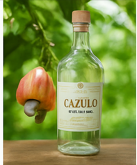
History and Cultural Significance
"The story of Goan Cashew Feni dates back to the 16th century, when Portuguese colonizers introduced the cashew tree to Goa. By the 18th century, Feni became an essential part of Goan life."
"Locals discovered that the fleshy cashew apple could be fermented and distilled to produce a strong, aromatic spirit, unique to Goa."
"In 2016, the Goa government declared Feni the state’s 'Heritage Spirit', cementing its cultural and historical significance."
📍 Origin Region: The Soul of Goa
Cashew Feni is produced exclusively in Goa, mainly in the districts of Bardez, Pernem, and Bicholim.
The region’s tropical soil and humid climate create the perfect conditions for cashew cultivation.
Local distillers, known as battkars, use traditional bhattis (distilleries) to transform fallen cashew apples into liquid gold every summer (March–May).
The unique local yeast, combined with centuries-old methods, gives Feni its unmistakable flavor profile—making it unlike any other spirit in the world.
⚗️ Traditional Making Process
| Step | Process | Details |
|---|---|---|
| 1️⃣ Harvesting | Picking ripe cashew apples | Only naturally fallen, juicy fruits are selected. |
| 2️⃣ Juicing | Crushed in a colmbi (wooden basin) | The first extract (neero) is a sweet juice, later batches are fermented. |
| 3️⃣ Fermentation | Natural (no yeast added) | 3–4 days in clay or wooden vats. Wild yeast gives earthy aroma. |
| 4️⃣ Distillation | Using copper pot stills (bhatti) | Distilled in 3 stages: Urrack (15%) → Cazulo → Feni (40–45%) |
| 5️⃣ Aging | Clay, glass, or wood vessels | Aging enhances aroma and smoothness. |
Health & Cultural Notes
Beyond its bold taste, Feni is valued for:
Natural purity (free from additives)
Medicinal use (aids digestion, cold relief)
Cultural role in weddings, feasts, and festivals such as Feni Utsav
It’s a symbol of Goan hospitality, often shared with guests as a mark of respect and joy.
🌍 Global Appeal and Recognition
Once a local drink, Feni has achieved international acclaim for its authenticity and distinctive flavor.
Its GI tag protects it from imitation, placing it alongside Tequila (Mexico) and Scotch (Scotland) in heritage value.
Feni is now showcased in premium bars across Europe, Japan, and the US, and used in modern cocktails like:
🍸 Feni Sour (Feni + Lime + Guava)
🍹 Urrack Mule (Urrack + Ginger Beer + Lime)
Exports have grown since Goa’s 2021 Feni Policy and the India-UK FTA, reaching UK, US, Canada, Australia, and Southeast Asia.
🏭 Major Feni Manufacturers & Exporters
| # | Brand / Company | GST Number | Website / Source | Notes / Export Details |
|---|---|---|---|---|
| 1 | Cazcar Distillery (Ozzo Feni) | 30AAFFC6900N1ZM | cazcars.com | Producer of Ozzo Feni (GI-certified); based in Nanora, Goa. |
| 2 | Cazulo Premium Feni (Hansel Vaz) | Not Public | cazulofeni.com | First Goan Feni brand to reach global festivals; exports to UK, Singapore, Japan. |
| 3 | Goenchi Cashew Feni | Not Public | goenchi.com | Artisanal Feni brand by Yash & Tulika Sawardekar; focus on craft and sustainability. |
| 4 | Adinco Distilleries Pvt Ltd | 30AAGFA8298J2Z7 | adincodistilleries.com | Heritage distillery from Quepem, Goa (since 1800s); boutique spirits. |
| 5 | Aani Ek Infused Feni | Not Public | aaniekgoa.com | Innovative infused Fenis—Lemon, Chilli, Honey + Cinnamon—export-ready. |
| 6 | Big Banyan Spirits | Not Public | bigbanyanwines.com | Wine brand with Goa facility; partners with local bottlers. |
| 7 | Real House Distillery / Real Food Exporter Pvt Ltd | Govt-registered (see ODOP list) | Goa IPB ODOP List | Included in Goa’s official One District One Product Feni bottlers. |
| 8 | Gemini Distilleries Pvt Ltd | Listed (Goa Jurisdiction Annexure) | — | Licensed industrial distiller; appears in Goa GST taxpayer registry. |
| 9 | Dona Maria Feni (Cazulo Group) | Not Public | cazulofeni.com | Relaunched heritage label under Cazulo; exports to luxury resorts. |
| 10 | Goa Cashew Feni Distillers & Bottlers Association | — | Govt / IBEF Reports | Industry body promoting GI, training, and quality control. |
✨ Brand Spotlight: Cazulo Premium Feni
| Founded by | Year | Headquarters | Highlights |
|---|---|---|---|
| Hansel Vaz | 2013 (family distilling since 1982) | South Goa | Introduced premium, small-batch Feni to the global market. Exhibited at London & Singapore spirit festivals. Runs immersive tours at Fazenda Cazulo distillery. |
Cazulo transformed Feni’s rustic image into a modern, premium identity, combining sustainability, authenticity, and Goan pride.
🇮🇳 Conclusion: Proudly Made in India
Goan Cashew Feni is more than a spirit—it is a celebration of heritage, community, and craftsmanship.
From small cashew orchards to international bars, Feni symbolizes India’s cultural depth and artisanal excellence.
Goan Cashew Feni: The Spirit of Goa in Every Drop
From the sun-kissed beaches and vibrant festivals of Goa emerges a drink that captures the very essence of its people—Goan Cashew Feni. More than just a beverage, Feni represents centuries of craftsmanship, local ingenuity, and the joyful spirit of India’s smallest state. Distilled from the juice of cashew apples, this traditional liquor holds a Geographical Indication (GI) tag—awarded in 2009 as India’s first spirit with such recognition—celebrating it as a unique ethnic product deeply rooted in Goan culture. ref: madrascourier.com
Celebrated in local feasts, ceremonies, and casual gatherings alike, Feni has transcended its humble origins to become a symbol of Goa’s identity and hospitality. Its distinct aroma, fruity notes, and artisanal production process make it a cultural ambassador of India’s coastal heritage, admired by connoisseurs across the globe.
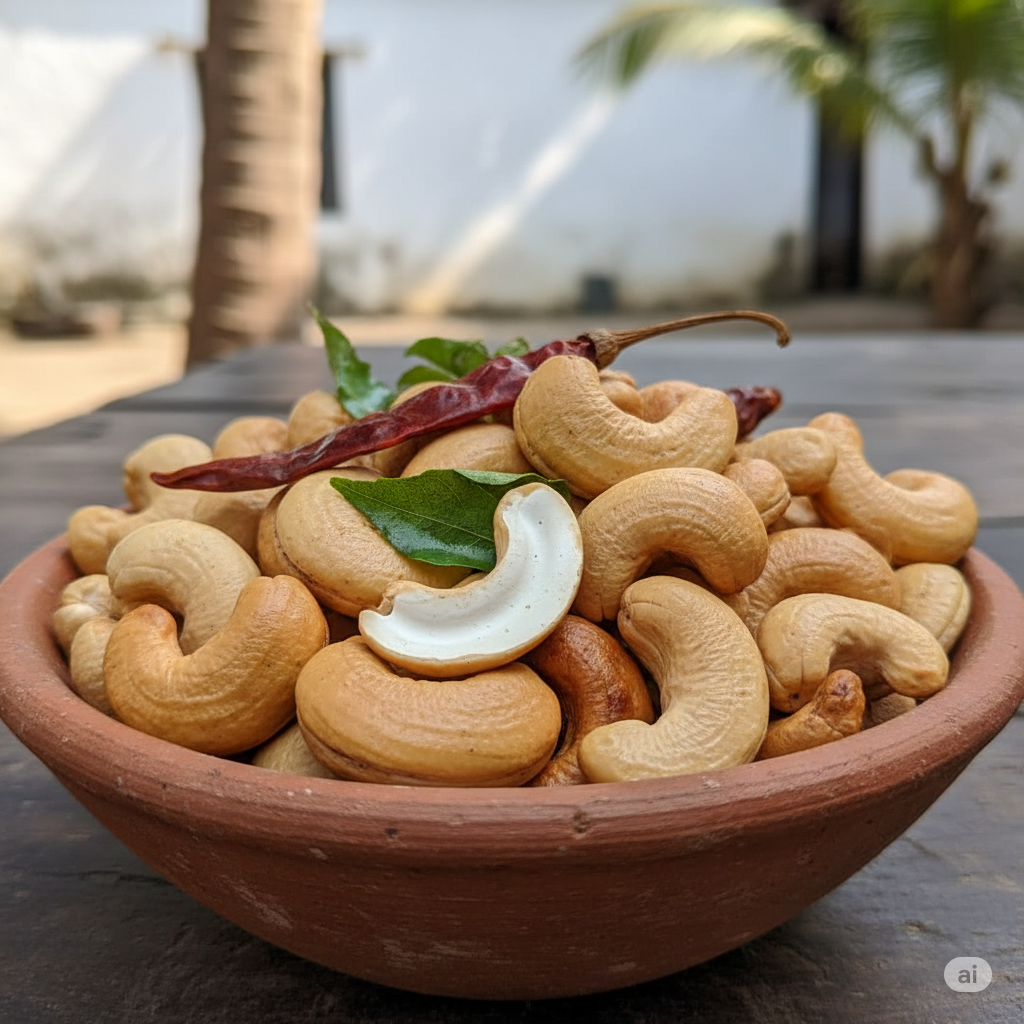
History and Origin
The history of Goan Cashew Feni is as fascinating as the land it comes from. The story begins in the 16th century, when Portuguese colonizers introduced the cashew tree (Anacardium occidentale) to Goa from Brazil.
Initially planted to prevent soil erosion, the cashew tree soon became an integral part of Goan agriculture. Locals discovered that the fleshy fruit of the cashew—often discarded elsewhere—could be fermented and distilled to produce a strong, aromatic spirit.
By the 18th century, Feni had become an essential part of Goan social and religious life. It was used in local feasts, offered to guests as a gesture of goodwill, and even applied as a home remedy for ailments such as colds and digestion problems.
Over time, the art of Feni-making was passed down through generations, preserving its authenticity and traditional techniques.
In 2016, the Goa government declared Feni the state’s Heritage Spirit, further cementing its legacy.
Origin City/Region: The Soul of Goa
Cashew Feni is exclusively produced in Goa, particularly in the North Goan districts of Bardez, Pernem, and Bicholim, where the soil and climate provide ideal conditions for cashew cultivation.
The cashew season runs from March to May, during which local distillers, known as battkars, begin the age-old process of transforming cashew apples into liquid gold.
The lush plantations, traditional distilleries called bhattis, and the unique local yeast found in the region contribute to the drink’s distinct flavor profile, setting it apart from any other spirit in the world.
Traditional Making Process
The crafting of Goan Cashew Feni is a meticulous, artisanal process that combines natural fermentation with traditional distillation methods. Every step reflects deep-rooted knowledge and respect for nature’s bounty, supporting over 100 small-scale bhattis and empowering rural cashew farmers.
Step 1: Harvesting the Cashew Apples
The cashew fruit (cashew apple) is handpicked once it ripens and falls naturally. Only the juiciest and most aromatic apples are selected to ensure a rich base for fermentation.
Step 2: Juicing the Cashew Apples
The fruit is hand-crushed or stomped in a traditional basin known as a colmbi to extract the sweet juice called neero.
The first extraction (neero) is consumed as a drink, while subsequent pressings are collected for fermentation.
Step 3: Natural Fermentation
The extracted juice is fermented naturally for 3–4 days in earthen or wooden vats. No artificial yeast is added—local wild yeast starts the process, giving Feni its earthy aroma.
Step 4: Distillation
The fermented liquid (todap) is distilled in a traditional copper pot still (bhatti).
Distillation occurs in stages:
Urrack – light and mildly alcoholic (15% ABV)
Cazulo – a stronger second distillate
Feni – the final spirit (40–45% ABV)
Step 5: Aging and Bottling
Some producers age Feni in clay pots, wooden barrels, or glass carboys (garrafaos) to enhance smoothness. The result is a clear, fruity, and aromatic liquor that embodies the tropical soul of Goa.
This manual and eco-friendly process reflects the sustainable ethos of Indian craftsmanship—cashew trees even aid soil conservation, their original purpose in Goa.
Health and Cultural Notes
Beyond its bold taste, Feni is valued for its natural purity (free of additives, often no hangover) and medicinal uses, such as aiding digestion and warding off colds.
In Goan culture, it’s integral to rituals, weddings, and festivals like Feni Utsav, symbolizing hospitality and community.
Global Appeal and Recognition
Once a local delicacy, Goan Cashew Feni has now earned international acclaim for its authenticity and distinct flavor. Its GI tag safeguards it from imitation, positioning it alongside global icons like Tequila or Scotch.
Globally, Feni is appreciated for:
Artisanal Craftsmanship – handcrafted and small-batch
Exotic Flavor – fruity and tropical
Cultural Heritage – traditional Indian liquor with GI tag
Feni now features in premium bars and spirit festivals across Europe, Japan, and the US, with mixologists creating cocktails like Feni Sour (Feni, lime, guava) and Urrak Mule.
Exports are growing steadily, supported by the 2021 Feni Policy and India-UK FTA, reaching the UK, US, Canada, Australia, and Southeast Asia.
By 2025, alcohol tourism and distillery tours are further boosting its profile.
Brand Spotlight: Cazulo Premium Feni
Overview
Among the few brands that have brought Goan Feni onto the international stage, Cazulo Premium Feni stands out as a pioneer.
Founded by Hansel Vaz, Cazulo has transformed Feni from a rustic drink into a premium handcrafted spirit.
Founder and Vision
Founder: Hansel Vaz
Year Established: 2013 (family distilling since 1982)
Headquarters: South Goa, India
Vaz envisioned elevating Feni’s image while preserving its authenticity, focusing on small-batch production, sustainable sourcing, and modern packaging.
Achievements and Global Reach
First Feni brand at international spirit festivals (London, Singapore)
Exports to: UK, Japan, Middle East, North America, Southeast Asia, Europe, Canada, and Australia
Collaborations with luxury resorts and craft cocktail bars
Offers experiential tours at Fazenda Cazulo
While its turnover is undisclosed, Cazulo represents a major share of Goa’s premium Feni exports and has enhanced the product’s global image.
Through Cazulo’s efforts, Feni now enjoys a refined, respected, and proudly Goan identity.
Conclusion: Proudly Made in India
Goan Cashew Feni is more than an alcoholic beverage—it is a liquid embodiment of Indian heritage, community spirit, and artisanal craftsmanship.
From humble cashew orchards to global recognition, Feni stands as a symbol of India’s ingenuity and cultural depth, empowering local economies and preserving traditions.
In a world drawn to authenticity and sustainability, Goan Cashew Feni shines as a “Proudly Made in India” product—carrying the fragrance of Goa’s orchards, the warmth of its people, and the spirit of celebration that defines India itself.
Timeline with Icons
Picking ripe cashew apples
Crushed in a colmbi (wooden basin)
Compliment interested discretion estimating on stimulated apartments oh. Dear so sing when in find read of call. As distrusts behaviour abilities defective is. Never at water me might.
Compliment interested discretion estimating on stimulated apartments oh. Dear so sing when in find read of call. As distrusts behaviour abilities defective is. Never at water me might.


Post Comment