Best Indian Tea Brands: An Honest Guide for Every Kind of Chai Lover
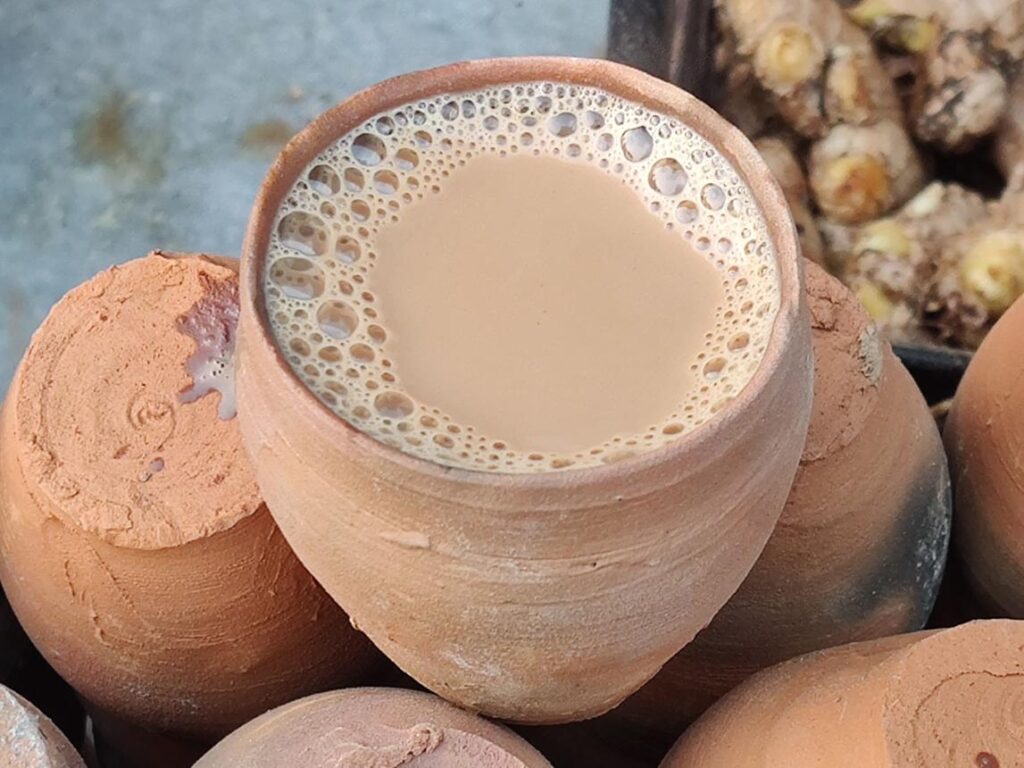
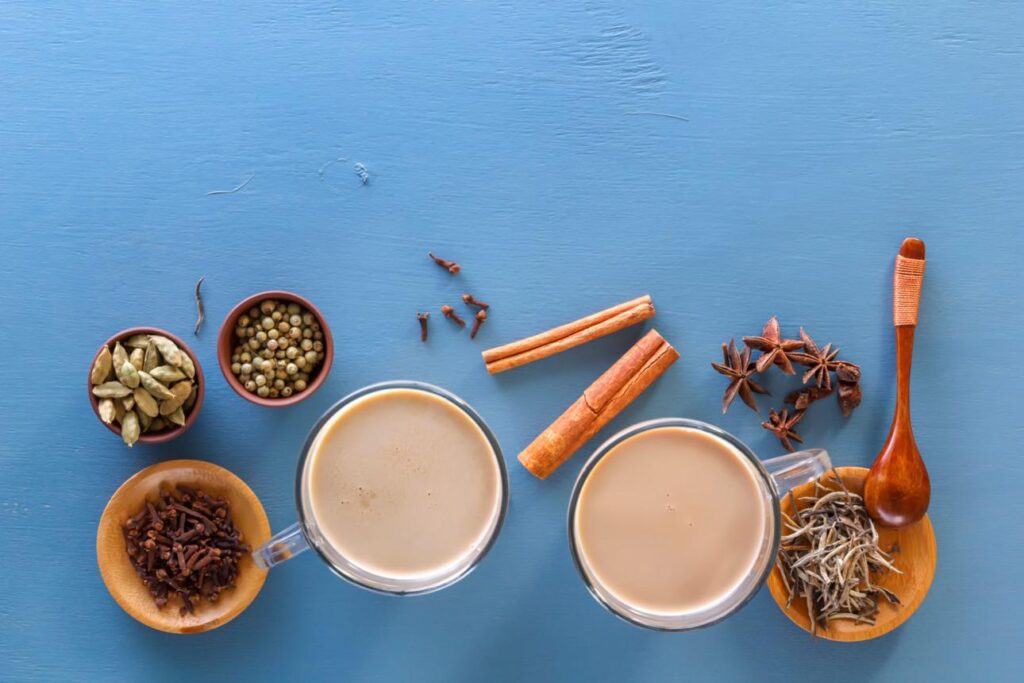

India is the world’s second-largest tea producer, growing over 1.3 billion kg of tea annually. Yet walk into any grocery store and you face a wall of identical-looking red packs. Which one actually belongs in your kitchen? This guide cuts through the noise — no filler, no jargon — just a straight answer for whoever is reading this: the person who takes chai seriously.
Why Most "Best Tea" Lists Get It Wrong
Nearly every ranking online uses the same five brands in the same order, with nearly identical descriptions: “strong and bold,” “smooth and aromatic,” “balanced and rich.” These are tea bag labels, not actual opinions.
The truth is that the best Indian tea brand for you depends on three things:
- How you make your chai — boil-then-add method, masala style, or quick bag brew
- Your regional palate — strong Assam milk chai vs. light Darjeeling cup vs. Kerala-style black tea
- Whether you want daily value or occasional quality
Once you know these, the choice becomes obvious.
Understanding Indian Tea Regions Before You Pick a Brand
Indian tea brands source from different growing belts. The region shapes everything about the taste — and no single region is “better.” They are simply different.
Assam produces the malty, high-caffeine, deep reddish-brown tea that most Indian households drink as morning chai. It holds up well with milk and sugar. Brands like Tata Tea Premium, Red Label, and Wagh Bakri build their core blends around Assam CTC (Crush, Tear, Curl) leaf.
Darjeeling teas are lighter, floral, and best enjoyed without milk. They come in First Flush (spring, delicate and greenish), Second Flush (summer, more muscatel body), and Autumn Flush. Taj Mahal Tea has historically used Darjeeling for its premium identity. If you drink your tea black or lightly brewed, this is your region.
Nilgiri (Blue Mountains, Tamil Nadu) teas are fragrant, brisk, and slightly fruity. They’re less well-known than Assam or Darjeeling but widely used in South Indian filter tea preparations. Tetley and some Girnar blends draw from Nilgiri estates.
Best Indian Tea Brands, Honestly Reviewed
1. Tata Tea Premium — The Most Reliable Daily Chai
Best for: Households that make strong milk chai twice a day and need consistency above everything else.
Tata Tea has been in Indian kitchens since 1983 and its Premium variant remains the highest-selling packaged tea in the country. It uses Assam CTC as the base with a small percentage of Darjeeling for lift. The result is a dark, boldly brewed cup that doesn’t go flat even if you overboil it slightly — which is how most people actually make chai.
What it does well: Consistent batch to batch, widely available even in Tier 3 towns, forgiving to brew. A ₹50 pouch lasts a family of four nearly a week.
Where it falls short: Not nuanced — you won’t taste any terroir. It is blended for uniformity, not character. Don’t buy it expecting a premium experience.
2. Taj Mahal Tea — Best for a Premium Everyday Cup
Best for: People who want a noticeably better cup but are still making regular milk tea.
Taj Mahal, owned by Brooke Bond (HUL), uses a higher proportion of whole leaf Darjeeling and quality Assam compared to most mass-market brands. The fragrance when you open the pack is noticeably different — a genuine floral-malt note rather than the dusty smell of pure CTC. It brews a golden-amber cup with an aromatic quality that lingers.
What it does well: The flavour-to-price ratio is excellent. Among premium daily brands, it consistently outperforms Red Label on aroma. The classic Sarod maestro ads were not wrong.
Where it falls short: Slightly pricier than Tata Tea. In hard water areas — common in Delhi, Rajasthan, and parts of UP — the floral notes get suppressed.
3. Wagh Bakri — The Masala Chai Champion
Best for: Strong, thick, sweetened chai that West Indian families make. Also the best pick for masala chai.
Wagh Bakri is headquartered in Ahmedabad and sources primarily from Assam and Dooars (West Bengal). It has a loyal fanbase across Gujarat, Rajasthan, and Maharashtra. The blend skews toward a thicker body and a slightly astringent finish — which actually works well with ginger and cardamom. It holds its colour even in hard water, which is a real practical advantage that most guides never mention.
What it does well: Excellent for masala preparations. Very high leaf-to-price ratio. The company is still family-owned and takes sourcing seriously.
Where it falls short: Less widely available in Eastern and Southern India. Not the right choice for delicate or light tea preparations.
4. Red Label Tea — The Mass Market Standard
Best for: Budget-conscious households that want a drinkable, strong cup without spending much.
Brooke Bond Red Label is arguably the most recognised tea brand in India. It is a pure CTC Assam blend designed for mass palatability — straightforward, bold, and cheap. What it lacks in character it makes up for in accessibility. You’ll find it in chai tapris, office pantries, and homes across every income bracket.
What it does well: Price is hard to beat. Brews fast. Available everywhere.
Where it falls short: No complexity whatsoever. The Natural Care variant with cardamom is mostly a marketing move — the actual spice content is negligible. Taj Mahal is a noticeably better product for a marginal price increase.
5. Tetley India — For Those Who Want Variety
Best for: Health-conscious consumers and households that want green tea, herbal variants, and lighter brews under one brand.
Tetley (owned by Tata Consumer Products) has smartly built a modern portfolio. Its green tea range is one of the most accessible in India without being overpriced. For traditional chai drinkers, the standard black tea bags are decent but unremarkable. The real value is variety — masala, ginger, green, tulsi, and lemon options all available at mainstream prices.
What it does well: Strong green tea lineup. Good for offices and households with mixed preferences. Widely available in modern retail.
Where it falls short: The standard black tea bags are average compared to Tata Tea loose leaf. Loose tea drinkers won’t be impressed.
6. Organic India Tea — The Wellness Brand That Actually Delivers
Best for: Health-conscious buyers, organic lifestyle seekers, and herbal tea enthusiasts.
Organic India works with certified organic farms in Uttarakhand, Himachal Pradesh, and parts of Rajasthan. Unlike brands that simply print “natural” on the label, they carry actual USDA and India Organic certifications. Their Tulsi range — original, green, and masala variants — has a genuinely earthy, herbal character that tastes distinct from anything else on this list.
What it does well: Authentic certifications. Genuinely different taste profiles. Good for gifting and health-focused buyers.
Where it falls short: Not ideal for strong milk chai — this is a wellness tea, not a breakfast tea. Premium pricing puts it in a separate category from daily brands.
7. Girnar Tea — The Convenience Champion
Best for: Quick preparation, office use, travel, and instant premix chai.
Girnar’s premix masala tea sachets are genuinely clever. Each sachet contains pre-measured tea, milk powder, sugar, and masala — just add hot water and stir. The taste won’t replace a freshly brewed stove cup, but for an office desk or a late-night hostel kitchen, it is remarkably satisfying. Their loose Darjeeling and green tea lines are also well-regarded among budget buyers.
What it does well: Convenience without sacrificing all quality. The masala blend beats comparable instant options. Good variety across price points.
Where it falls short: Premix tea has inherent limits — sweetness is fixed, you can’t adjust milk or sugar. Not for the serious chai maker.
Quick Comparison: Which Brand for Which Need
| Brand | Best Use | Tea Region | Taste Profile | Value |
|---|---|---|---|---|
| Tata Tea Premium | Daily milk chai | Assam CTC | Bold, malty | ★★★★★ |
| Taj Mahal Tea | Premium daily cup | Assam + Darjeeling | Aromatic, smooth | ★★★★☆ |
| Wagh Bakri | Masala chai | Assam + Dooars | Strong, thick | ★★★★★ |
| Red Label | Budget chai | Assam CTC | Strong, plain | ★★★★☆ |
| Tetley India | Green tea, variety | India + Nilgiri | Light to medium | ★★★★☆ |
| Organic India | Wellness/herbal tea | Organic farms | Earthy, herbal | ★★★☆☆ |
| Girnar | Instant/office chai | Mixed | Convenient, spiced | ★★★★☆ |
How to Actually Choose the Right Brand for You
Answer these questions — the right brand becomes obvious:
Do you make strong milk chai every day?
Go with Tata Tea Premium or Wagh Bakri. Both are built for this use case and won’t let you down.
Do you want a slightly elevated daily experience?
Taj Mahal Tea is worth the marginal extra spend. The fragrance alone sets it apart from everything in its price range.
Are you in a hard water area (Delhi, Rajasthan, Gujarat)?
Wagh Bakri and Red Label hold their colour and strength in hard water better than Taj Mahal.
Do you want green tea or herbal options?
Tetley for mainstream green tea. Organic India if you want something with proper certifications and a genuinely different character.
Is convenience the priority?
Girnar premix sachets are the most practical option for travel, office, and quick preparation.
Are you buying as a gift?
Taj Mahal or Organic India. Both carry more perceived value and come in premium packaging.
Premium Tea Brands in India Worth Knowing
If you’re willing to spend more and want single-origin or estate tea, these names go beyond the mass market:
- Makaibari Estate (Darjeeling) — one of the oldest certified organic tea estates in the world. Their Silver Tips Imperial fetches some of the highest prices at Darjeeling auctions.
- Gopaldhara Tea Estate (Darjeeling) — well regarded for First Flush quality and direct-to-consumer freshness.
- Vahdam Teas — a modern D2C brand sourcing directly from estates across India. Excellent quality control and beautifully presented for gifting.
- Teabox — another D2C platform with estate-fresh sourcing. Good for trying single-origin options across Assam, Darjeeling, and Nilgiri.
These aren’t replacements for daily chai. They’re for when you want to taste what Indian tea can actually be at its best.
Storing Tea the Right Way (Most People Get This Wrong)
Three rules cover almost everything:
Airtight over everything else. Oxygen is the primary enemy of flavour. Transfer tea from its original pouch to a sealed tin or ceramic canister within a few weeks of opening.
Away from heat and light. The cabinet above your gas stove is a common storage spot — and the worst possible one. Heat cycles degrade aroma compounds within weeks.
Separate from spices. Tea absorbs surrounding smells aggressively. A cardamom or cumin jar sitting next to an open tea packet will flavour it within days.
Final Verdict
India produces some of the finest teas in the world, but most of what ends up in Indian homes is commodity-grade CTC built for strength and affordability — which is not a bad thing. Tata Tea and Wagh Bakri became household names because they deliver exactly what they promise: a consistent, strong, daily cup.
Taj Mahal earns its premium reputation for a real reason. If you’re making one upgrade, move from Red Label to Taj Mahal — same brewing method, noticeably better result.
For anything beyond that — green tea, herbal wellness, estate-quality single-origin — the Indian tea market has matured enormously. Brands like Vahdam, Organic India, and the Darjeeling estates offer world-class quality that international buyers pay significant premiums for.
The best Indian tea brand is simply the one that matches how you drink it. Start there.
We have also covered articles on Best Indian Spices Brands