Best Indian Spice Brands: What Actually Belongs in Your Kitchen
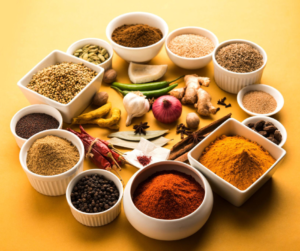
Walk into any Indian kitchen and the first thing that hits you is the smell — turmeric, roasted cumin, dried red chilies. That aroma comes from one source: the masala box sitting on the counter, filled with powders and whole spices from a handful of trusted brands.
But with dozens of spice brands now crowding store shelves and online listings, figuring out which one actually delivers — in taste, freshness, and value — can feel overwhelming. This guide breaks down the best Indian spice brands by what makes each one worth buying, so you can stop guessing and start cooking with confidence.
Why the Brand You Choose Actually Matters
Spices are not all the same. Two packets of red chili powder from different brands can taste wildly different — one rich and aromatic, the other flat and dusty. The gap usually comes down to three things:
- Sourcing: where the raw spice comes from and how fresh it is at the time of grinding
- Processing: whether grinding is done at low temperatures to preserve essential oils
- Packaging: whether the seal is airtight enough to prevent moisture and oxidation
Trusted brands invest in all three. Budget or unbranded options often skip one or more, which is why a dish made with quality spices tastes noticeably better — even with the same recipe.
Best Indian Spice Brands — An Honest Breakdown
1. MDH (Mahashian Di Hatti) — The Old Reliable
Founded: 1919, Delhi Best known for: Garam Masala, Chana Masala, Rajma Masala Best suited for: Everyday North Indian cooking Price range: Affordable to mid-range
MDH has been around longer than independent India itself. Started as a small shop in Delhi and rebuilt after Partition, it grew into one of the country’s most recognized spice names. The founder Mahashay Dharampal Gulati’s face on every pack became iconic over decades.
What keeps MDH relevant is its blends. Their garam masala has a deep, warm profile that suits North Indian gravies well. The chana masala blend hits the right balance of tangy and spiced. These are not single-note powders — they are recipes in a packet.
Where it works best: Dal makhani, chana masala, rajma, and most North Indian curries. Less ideal for South Indian or coastal dishes where you want lighter, fresher spice profiles.
2. Everest Spices — Widest Range, Most Consistent
Founded: 1960s, Mumbai Best known for: Turmeric, Red Chili Powder, Kitchen King Masala Best suited for: All-purpose Indian cooking Price range: Affordable to mid-range
Everest built its reputation on consistency. Open a packet of their turmeric today and it will look, smell, and taste almost exactly like the one you bought two years ago. For a household ingredient used daily, that reliability matters more than most people realise.
Their single-spice powders — turmeric, coriander, cumin — are widely trusted across both home and restaurant kitchens. The Kitchen King masala is a versatile blend that works as a base for multiple dishes when you need something quick and dependable.
Where it works best: Everyday staples like sabzis, dals, and rice dishes. A reliable brand if you cook across different regional styles and want one brand to cover most of your needs.
3. Catch Spices — Built for the Table as Much as the Kitchen
Founded: 1980s, Delhi Best known for: Table sprinklers, Chaat Masala, Black Salt Best suited for: Ready-to-use seasonings and snack finishing Price range: Mid-range
Catch did something different from the start — they focused on packaging before most brands did. The iconic table-top sprinkler bottle for black salt and chaat masala became a fixture in Indian dining rooms and restaurants across the country.
Their strength is in finishing spices — things you sprinkle on chaat, raita, salads, or fruit. For cooking bases, they are decent but not exceptional. Where Catch consistently shines is hygiene and moisture control — their sealed packaging delivers fresher product over time.
Where it works best: Chaat, raita, lassi, fruit salads, and street-food-style snacks at home. The sprinkler format makes it genuinely practical for direct table use.
4. Tata Sampann — For the Health-Aware Cook
Parent company: Tata Consumer Products Best known for: Unpolished spices with retained natural oils Best suited for: Health-conscious households Price range: Mid to premium
Tata Sampann entered the spice market with a clear positioning: less processing, more nutrition. Their turmeric and coriander powders are marketed as retaining natural oils that are often stripped away during standard commercial grinding.
In practice, their spices do tend to smell more intense straight from the packet. The flavor profile is noticeably richer in certain powders, particularly their haldi. For a household that reads ingredient labels and thinks about what goes into daily meals, Sampann earns that extra trust.
Where it works best: Households that prioritize natural ingredients over price. Also a strong choice if you are cooking for young children or someone who prefers minimally processed food.
5. Aashirvaad Spices — Familiar Quality from ITC
Parent company: ITC Limited Best known for: Chili powder, Coriander powder, Haldi Best suited for: Everyday cooking with trusted, wide distribution Price range: Affordable to mid-range
Aashirvaad already had deep trust in Indian kitchens through its atta. When ITC extended the brand to spices, it carried that goodwill with it. Their powders are clean, finely ground, and consistently available — even in smaller towns — thanks to ITC’s distribution network.
The spices are not groundbreaking, but they are dependable. You will not get an unpleasant surprise with Aashirvaad, which is often exactly what a busy home cook needs from a daily staple.
Where it works best: Households that already use Aashirvaad atta and prefer sticking to one trusted brand across staples. Good for bulk buying due to wide availability and stable pricing.
6. Badshah Masala — The Western India Specialist
Founded: 1958, Gujarat Best known for: Pav Bhaji Masala, Chaat Masala, Biryani Masala Best suited for: Gujarati, Maharashtrian, and street-food dishes Price range: Affordable
Badshah has a loyal following in Gujarat and Maharashtra, and for good reason. Their pav bhaji masala is one of the most authentic-tasting blends available — bold, slightly tangy, with the right amount of dried mango powder. Anyone who grew up eating Mumbai street food will recognise the taste immediately.
Outside western India, the brand is less prominently stocked but increasingly available online. The pricing is very accessible, making it a solid everyday pick for regional cooking.
Where it works best: Pav bhaji, chaat, bhel puri, and Gujarati dals. If you cook Maharashtrian or Gujarati food regularly, Badshah is worth keeping on hand specifically for these dishes.
7. Ramdev Masala — Budget-Friendly Without the Compromise
Founded: Gujarat Best known for: Affordable blends across all major categories Best suited for: Budget-conscious households, bulk cooking Price range: Very affordable
Ramdev is not a glamorous brand, but it has earned its place in millions of kitchens through sheer value. The quality-to-price ratio holds up well — their coriander and cumin powders are solid, and the blends cover most everyday Indian dishes without cutting obvious corners.
It is especially popular in smaller towns and among households that cook in larger quantities and cannot justify premium pricing for daily staples.
Where it works best: Large-batch cooking, tiffin services, or any situation where cost matters. Not the first choice for a special occasion dish, but reliable for everyday meals.
8. Organic India — Certified Organic and Ethically Sourced
Founded: Lucknow, Uttar Pradesh Best known for: Organic turmeric, Organic cumin, Tulsi products Best suited for: Health-conscious, chemical-free households Price range: Premium
Organic India operates differently from most spice brands. Their farming partners follow certified organic practices — no synthetic pesticides or fertilizers. The sourcing transparency is genuine, not just marketing copy.
The spices cost more, but the aroma of their organic turmeric in particular is stronger and more complex than most commercial alternatives. For anyone reducing processed or chemically exposed ingredients in their kitchen, this is the most credible option in the Indian market.
Where it works best: Households with specific dietary preferences, young children, or anyone managing health conditions where ingredient sourcing matters. Also a popular gifting option.
Quick Guide: Which Brand for Which Need
| Use Case | Best Brand | Why |
|---|---|---|
| Everyday North Indian cooking | MDH or Everest | Trusted blends, consistent flavor |
| Health-conscious households | Tata Sampann or Organic India | Natural oils retained / certified organic |
| Chaat and snack seasoning | Catch or Badshah | Purpose-built finishing spices |
| Western India dishes | Badshah or Ramdev | Regional expertise, authentic flavor |
| Budget / bulk cooking | Ramdev | Best value per rupee |
| Premium or gifting | Organic India | Certified organic, premium packaging |
How to Buy Spices Smartly — Beyond the Brand Name
Even the best brand can disappoint if you buy old stock. A few things to check before you put a packet in your cart:
- Check the manufacturing date, not just the expiry. Spices are best within 6–12 months of grinding. A packet that is 18 months old but still within expiry is not at its best.
- Look at the seal. A slightly loose or puffed packet has likely been exposed to moisture. Skip it.
- Buy smaller packs of blends. Ground masalas lose aroma quickly. Buy smaller quantities and replenish more often rather than stocking up for a year.
- Whole spices over ground when possible. For maximum flavor, buy whole cumin, coriander seeds, and peppercorns and grind small batches yourself. The difference is very noticeable.
Storage Basics — Because Good Spices Deserve Good Care
No brand can protect your spices from poor storage at home. A few simple habits make a real difference:
- Transfer spices into airtight glass or steel containers after opening
- Keep them away from the stove — heat and steam degrade spices faster than almost anything else
- Avoid direct sunlight; a closed cabinet works better than an open shelf
- Never use a wet spoon inside a spice jar — moisture causes clumping and eventually mold
- Do a smell test every few months — if the aroma is gone, the flavor is largely gone too
Final Thoughts
The best Indian spice brand is not a single answer — it depends on how you cook, what you cook, and what you are willing to spend. MDH and Everest remain strong all-rounders for most kitchens. Tata Sampann and Organic India serve health-focused buyers well. Badshah is the right pick for western Indian cuisine, while Catch earns its place on the dining table more than in the kadai.
What matters most is freshness. A mid-range brand with a recent manufacturing date will almost always outperform a premium brand with old stock. Buy from brands you trust, but buy smart — check dates, store properly, and refresh your spice box regularly.
That is where authentic Indian cooking actually begins. We have written a separate article on Chukde Spices.
FAQs
Which Indian spice brand is best for everyday cooking?
MDH and Everest are both strong choices for everyday North Indian cooking. Everest has a slight edge for single-spice powders like turmeric and cumin, while MDH leads on blended masalas like garam masala and chana masala.
Is Tata Sampann spice worth the higher price?
For households that prioritize minimal processing and natural oil retention, yes. The flavor is noticeably richer in certain powders, especially haldi. For everyday budget cooking, Everest or Aashirvaad offer better value.
Which spice brand is best for chaat and street-food dishes?
Catch and Badshah are the go-to options for chaat, pav bhaji, and bhel puri. Catch’s sprinkler packaging makes it especially convenient for table-side seasoning.
Are organic spice brands like Organic India worth it?
If chemical-free sourcing is a priority, Organic India is the most credible certified organic option available in India. The price premium is real, but so is the sourcing transparency.
How long do ground spices last?
Ground spices are best within 6–12 months of the manufacturing date. After that, they lose aroma and potency progressively. Whole spices last significantly longer — up to 2–3 years when stored properly in airtight containers.