Authentic Warli Paintings of India
India’s rich artistic heritage is a celebration of diversity, culture, and timeless tradition. Among its most captivating indigenous art forms, Warli painting stands as a vivid reflection of tribal life, simplicity, and nature’s harmony. Originating from the tribal heartlands of Maharashtra, Warli art is not just a decorative expression but a centuries-old language that narrates stories of human connection, community, and coexistence with the natural world.
From humble mud walls in tribal homes to modern galleries and global art collections, Warli paintings have traveled far, symbolizing India’s deep-rooted creative spirit.
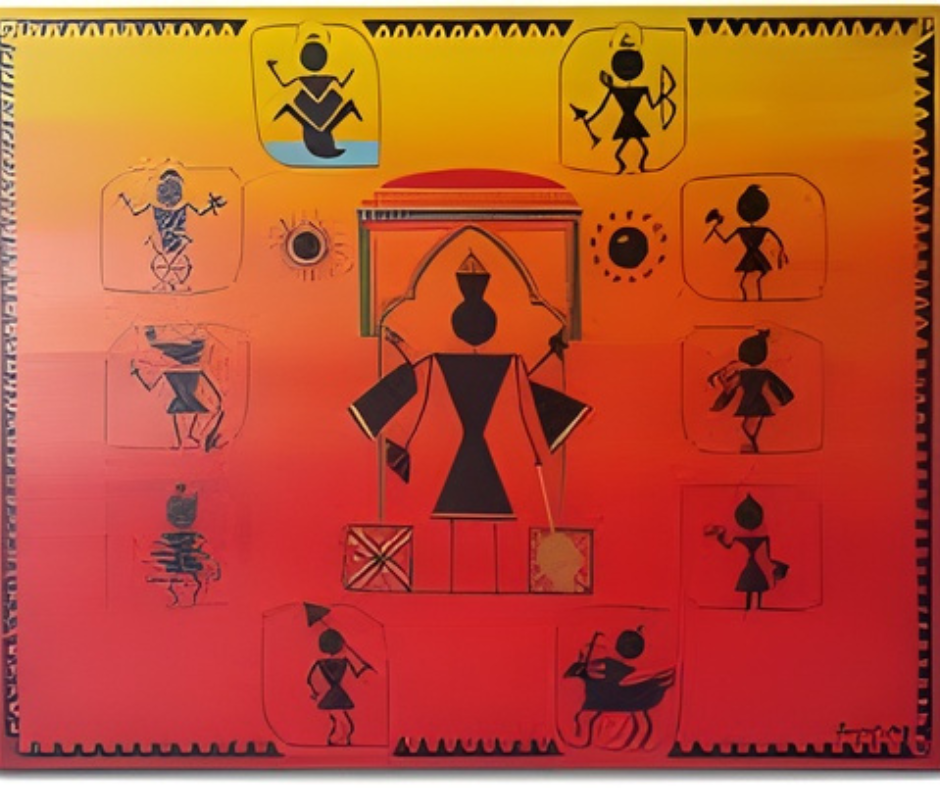
History and Cultural Significance
Warli painting is one of India’s oldest surviving tribal art forms, believed to date back to as early as 2500 BCE. It originated among the Warli tribe—a farming community residing in the Sahyadri ranges of Maharashtra, particularly in regions of Palghar, Thane, and Dahanu.
Despite its ancient roots, Warli art remained hidden from mainstream recognition until the 1970s, when Indian artist Jivya Soma Mashe brought it to global attention. His efforts not only preserved the art form but also elevated it to the status of cultural identity for the Warli tribe and an emblem of India’s rural artistry.
Spiritual and Social Life in Warli Paintings
Warli art is deeply intertwined with the tribe’s spiritual beliefs and social life. The paintings often depict:
Mother Nature as the central deity, symbolizing fertility and sustenance.
Everyday tribal scenes—farming, hunting, dancing, and rituals—illustrating harmony between humans and nature.
Geometric symbolism—circles representing the sun and moon, triangles symbolizing mountains and trees, and squares denoting human settlements or sacred enclosures.
These artworks are not merely aesthetic; they serve as visual storytelling tools, used during festivals, weddings, and harvest celebrations to convey blessings, traditions, and folklore.
Origin City/Region
The Warli art tradition originates from Maharashtra’s coastal tribal belt, primarily in:
Dahanu
Palghar
Vikramgad
Thane districts
These regions, located on the Western Ghats, are home to several tribal communities whose livelihoods depend on agriculture and forest resources. The art’s earthy tones, natural pigments, and organic motifs perfectly reflect the environment in which it evolved.
Warli paintings were originally created on mud-plastered hut walls, using rice paste and bamboo sticks. The backdrop of ochre or brown mud symbolized the earth, while the white pigment represented purity and life—a natural palette derived from the artist’s surroundings.
Traditional Making Process
Creating a Warli painting is a meditative and symbolic process that connects the artist to their community and environment. Traditionally, it was women who painted during special occasions, but today, both men and women engage in this art professionally.
Step-by-Step Process
Preparing the Surface
Traditionally, the painting surface was the inner wall of a tribal home, coated with a mixture of cow dung and red mud to create a smooth, earthen texture. In modern times, artists use handmade paper, canvas, or cloth treated to resemble the rustic background.Making Natural Colors
White pigment: Made from rice paste mixed with water and gum.
Brown background: Derived from mud and cow dung.
Sometimes, modern acrylic or poster colors are used for commercial art, though purists still prefer traditional materials.
Drawing Tools
Artists use a bamboo twig, chewed at one end to make it brush-like. This tool allows for delicate strokes and precision in geometric patterns.Design and Composition
Warli art is known for its minimalist style. Figures are composed of simple geometric shapes—circles, triangles, and squares—to depict humans, animals, and nature.
Common motifs include:The tarpa dance, where villagers dance in a circle around a musician.
Daily life scenes such as farming, hunting, or cooking.
Animals, trees, and celestial bodies, symbolizing balance and connection.
Final Detailing
The artist adds fine lines, dots, and rhythmic patterns, giving the artwork a sense of motion and community spirit. The final piece, though simple in form, carries deep meaning and storytelling essence.
Global Appeal and Recognition
From humble tribal homes to the walls of international art collectors, Warli paintings have achieved global admiration for their purity, minimalism, and symbolic storytelling.
Why Global Buyers Love Warli Art
Minimalist Aesthetic: The simple monochromatic style resonates with contemporary global art trends.
Eco-Friendly Process: Made with natural materials and sustainable practices.
Cultural Authenticity: Each piece is a story from rural India, appealing to collectors seeking heritage-rich decor.
Versatility: Warli motifs are used on textiles, home décor, pottery, stationery, and even fashion accessories.
International Recognition
Warli paintings have been showcased at UNESCO exhibitions, Indian embassies, and global art fairs. They are frequently exported to countries such as the USA, France, Japan, and the UK, where there is strong appreciation for handcrafted tribal art.
In recent years, Indian designers and international brands have collaborated with Warli artists for fashion lines, interior design projects, and murals, expanding its commercial and cultural reach.
Brand Spotlight: Tribal Art India
To understand Warli art’s commercial and global reach, one can look at Tribal Art India, a reputed brand promoting authentic tribal and folk art forms from India, including Warli paintings.
Overview
Key Details
Founded: 2014
Founder: Rajesh Shirsat (Art promoter and cultural entrepreneur)
Headquarters: Mumbai, Maharashtra
Annual Turnover: Estimated ₹4–5 crore (as of 2023)
Export Reach: United States, United Kingdom, France, Australia, and Japan
Key Objective: Empowering tribal artists through fair trade and global exposure.
The brand has collaborated with international décor houses and online art galleries, helping Warli painters earn sustainable livelihoods while preserving their ancestral heritage.
Made in India: Warli Art Legacy
Warli painting is more than an art form—it is a living testimony to India’s tribal wisdom, ecological consciousness, and spiritual simplicity. Each stroke tells a story of a community that has lived in harmony with nature for centuries.
In today’s global market, Warli art stands as a symbol of sustainable creativity, representing India’s fusion of ancient tradition with modern relevance. Its global presence in art galleries, design studios, and export markets underscores its enduring appeal and timeless beauty.