Maruti Suzuki Wagon R – Trusted Family Hatchback of India
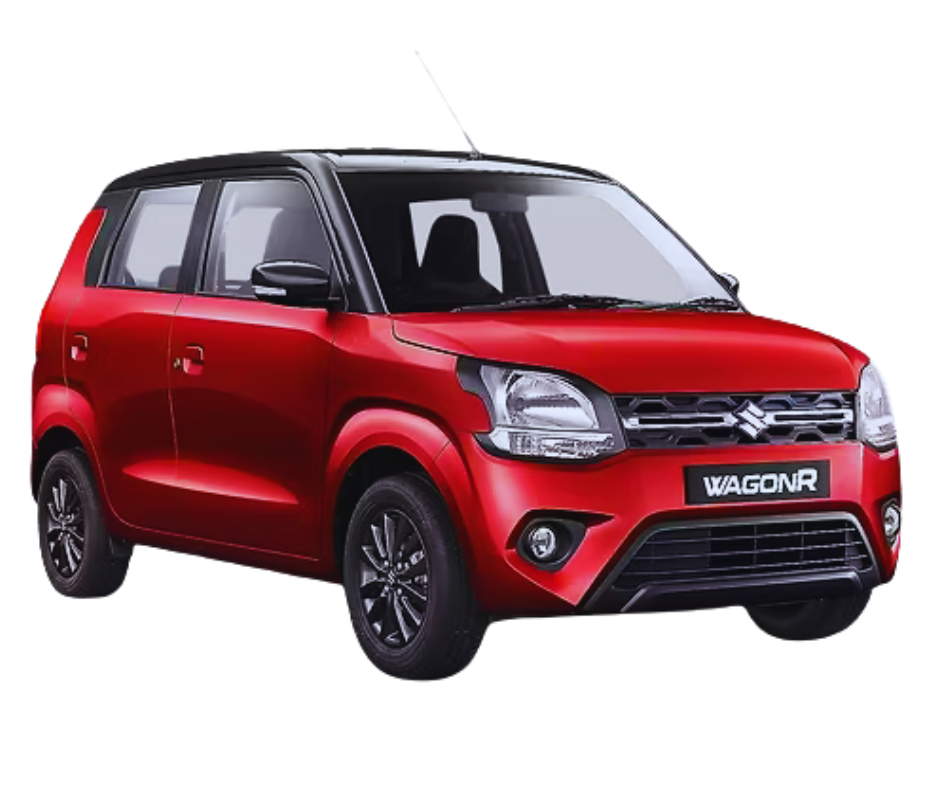
Maruti Suzuki Wagon R is one of India’s most recognizable and best-selling hatchback cars, known for its tall-boy design, spacious cabin, fuel efficiency, and affordable maintenance. Since its launch, Wagon R has become a preferred choice for middle-class families, first-time car buyers, and urban commuters. Designed with practicality and comfort in mind, the car reflects reliability, value for money, and everyday usability — truly Proudly Made in India.
Basic Overview
| Field | Details |
|---|---|
| Vehicle Type | Hatchback (Tall-Boy Design) |
| Manufacturer | Maruti Suzuki India Limited |
| Launch Year (India) | 1999 |
| Fuel Options | Petrol / CNG |
| Transmission | Manual & Automatic (AMT) |
| Seating Capacity | 5 Persons |
| Manufacturing Plants | Gurugram & Manesar, Haryana |
| Mileage Range | Approx. 23–34 km/kg (Variant Dependent) |
| Segment | Budget / Family Hatchback |
| Country | India |
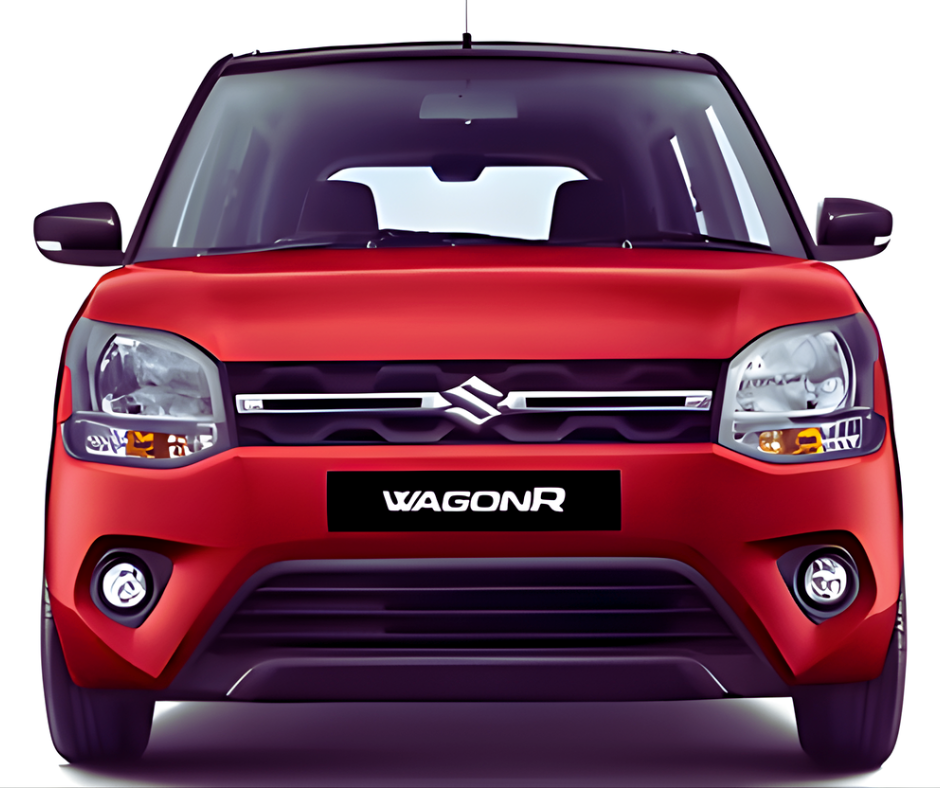
Maruti Suzuki Wagon R – Tracing Its Journey & Market Legacy
The Wagon R entered the Indian automobile market in 1999 and quickly gained popularity due to its boxy tall-boy structure, which provided higher headroom, upright seating comfort, and better road visibility compared to other hatchbacks of its time. Its practical design made it especially appealing to small families, senior citizens, and daily city commuters who valued ease of entry and exit along with spacious interiors.
Over the years, the model has undergone multiple upgrades in exterior styling, safety features, engine efficiency, and technology integration, ensuring that it stays relevant with changing consumer expectations. Newer generations introduced refreshed front grilles, modern headlamps, improved suspension tuning, touchscreen infotainment systems, and enhanced cabin ergonomics for a more premium feel.
Global Appeal & Market Recognition
Consistently ranked among India’s top-selling hatchbacks
Preferred by urban commuters and first-time buyers
Strong presence in used-car resale markets
Exported to select Asian and African markets
Known for fuel efficiency and affordability
Widely used in fleet and commercial segments
Recognized for low service and spare-part costs
Exceptional Features & Design Strengths
Tall-Boy Design
Provides better headroom, easy entry-exit, and commanding road visibility.
Spacious Cabin
Comfortable seating for families with generous legroom.
Fuel Efficiency
Among the most economical hatchbacks in its segment.
Dual Fuel Options
Available in both Petrol and CNG variants for cost savings.
Low Maintenance
Affordable spare parts and widespread service network.
Modern Safety Features
Airbags, ABS with EBD, and reinforced body structure.
Compact City Friendly Size
Easy parking and maneuverability in traffic.
Reliable Engine Performance
Smooth drive suited for both city and highway use.
High Resale Value
Maintains strong second-hand market demand.
Manufacturer & Brand Background
| Brand / Company | Established | Founder / Parent | Business Type | Market Reach | Ownership | Origin |
|---|---|---|---|---|---|---|
| Maruti Suzuki India Limited | 1981 | Suzuki Motor Corp. & Govt. of India (Initial JV) | Automobile Manufacturing | Domestic & Global | Public Ltd. | India |
| Suzuki Motor Corporation | 1909 | Michio Suzuki | Automotive & Mobility | Worldwide | Public Ltd. | Japan |
Conclusion
Maruti Suzuki Wagon R – Trusted Family Hatchback of India stands as a symbol of practicality, affordability, and long-term reliability in the Indian automobile landscape. Its tall-boy comfort, fuel-efficient engines, and budget-friendly ownership have made it a household favorite for decades. From daily city commutes to family outings, Wagon R continues to represent dependable mobility and smart value — a true example of India’s mass-market automotive success story.