Tanjore Paintings: A Timeless Treasure of Indian Heritage
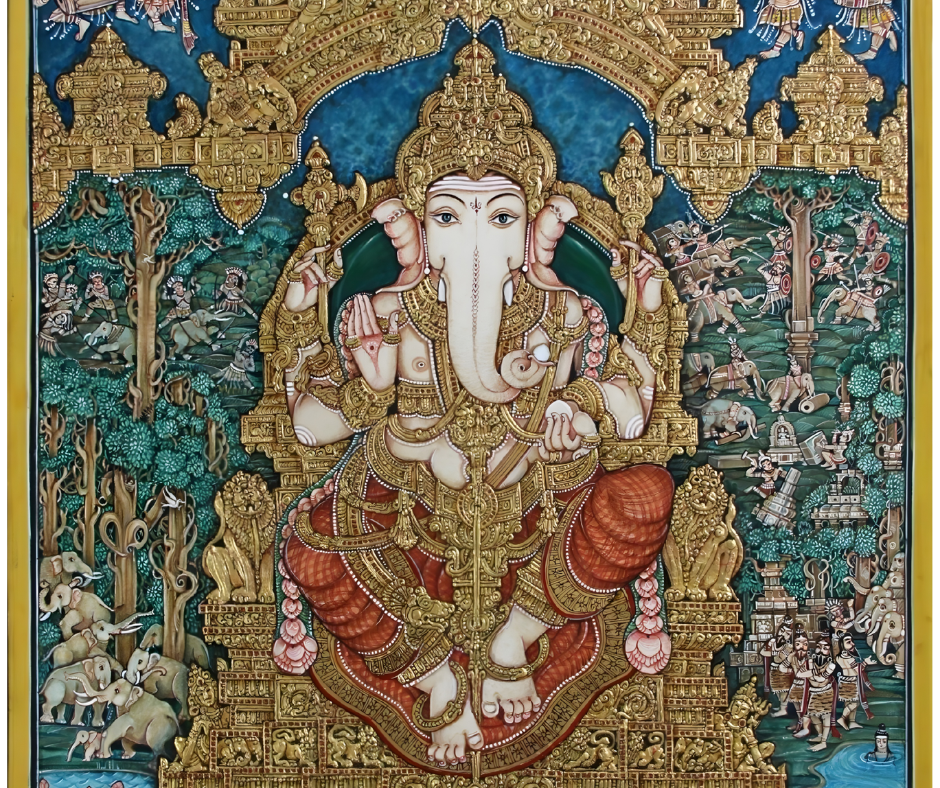
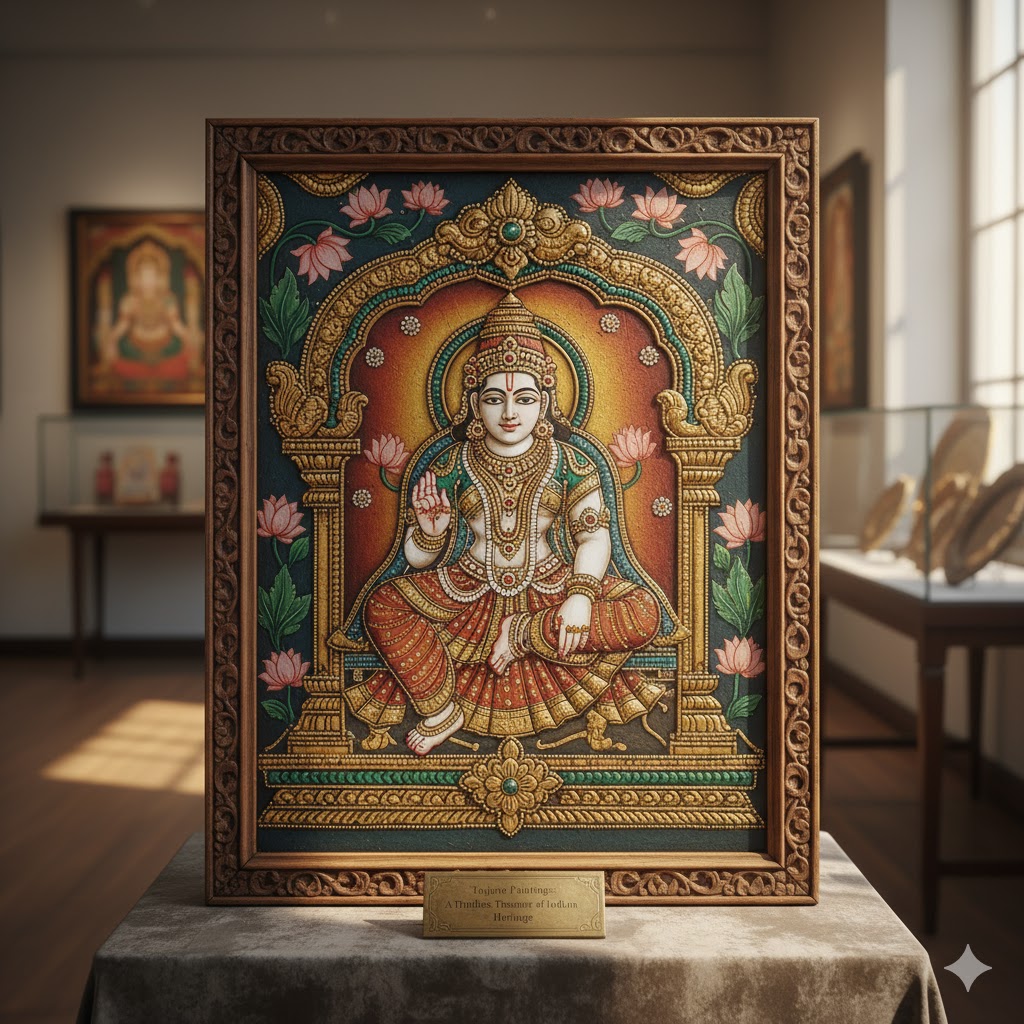
Tanjore paintings, also known as Thanjavur paintings, are a distinguished form of South Indian art that have captivated art enthusiasts worldwide. Originating from the city of Thanjavur in Tamil Nadu, these paintings are renowned for their intricate craftsmanship, vibrant colors, and the prominent use of gold foil. They predominantly depict Hindu deities, saints, and mythological scenes, serving not only as artistic expressions but also as devotional icons in Indian culture.
History and Origin
The roots of Tanjore paintings trace back to the 16th century during the reign of the Nayak rulers of Thanjavur, who were instrumental in promoting art and culture. The art form flourished under the patronage of the Maratha kings in the 17th and 18th centuries, who introduced elements like gold foil work and the use of semi-precious stones, enhancing the grandeur of the paintings.
Historically, Tanjore paintings were created as sacred offerings for temples and were often used in religious rituals. The artists, primarily from the Raju and Nayudu communities, were highly skilled craftsmen who dedicated their lives to preserving and evolving this art form. Their works were characterized by a harmonious blend of traditional techniques and regional influences, making Tanjore paintings a unique cultural artifact.
Traditional Making Process
The creation of a Tanjore painting is a meticulous process that involves several steps:
Preparation of the Base: Traditionally, the base is made from jackfruit or teak wood. In contemporary practices, waterproof plywood is used. The surface is then coated with a mixture of boiled tamarind seed paste and newspaper sheets to create a smooth and sturdy foundation.
Sketching the Design: The chosen design, often depicting Hindu deities or mythological scenes, is sketched onto the prepared surface. Artists use fine tools to outline intricate details, ensuring precision and clarity.
Modeling with Gesso Paste: A mixture of chalk powder and binding agents is applied to the outlined design to create a raised surface. This process adds depth and texture to the painting, making it visually striking.
Application of Gold Foil: Once the gesso work is dry, gold foil is applied to the raised areas. This not only enhances the aesthetic appeal but also adds a spiritual dimension, as gold is considered auspicious in Hindu culture.
Inlaying Semi-Precious Stones: To further embellish the painting, semi-precious stones like glass beads, rhinestones, and occasionally, real gems, are embedded into the design, adding color and vibrancy.
Painting and Detailing: The remaining areas are painted using natural dyes, and fine details are added to bring the artwork to life. The use of vivid colors and intricate patterns makes each piece a masterpiece.
This traditional method requires immense skill and patience, with each painting taking several weeks to complete. The dedication to detail and the use of high-quality materials ensure that Tanjore paintings are not only visually appealing but also durable and timeless.
Global Appeal and Recognition
Tanjore paintings have transcended regional boundaries to gain international acclaim. Their unique blend of traditional Indian art with elements of European and Deccan styles has made them popular among collectors and art enthusiasts worldwide. The intricate craftsmanship, use of gold, and depiction of divine themes resonate with a global audience, making Tanjore paintings a sought-after art form in international markets.
India leads the world in Tanjore painting exports, with the United States, Malaysia, and Australia being the primary importers. The recognition of Tanjore paintings as a Geographical Indication (GI) product by the Government of India further underscores their cultural significance and uniqueness. This certification helps protect the authenticity of the art form and promotes its global appreciation.
Brand Spotlight: Exotic India
One notable Indian brand that has played a pivotal role in promoting Tanjore paintings internationally is Exotic India. Established in 1998, Exotic India is a leading online retailer specializing in Indian art, crafts, and cultural products. The brand has been instrumental in bringing traditional Indian art forms, including Tanjore paintings, to a global audience.
Brand Overview
Name: Exotic India
Founded: 1998
Specialization: Indian art, crafts, and cultural products
Global Reach: Serves customers worldwide through its online platform
Exotic India has collaborated with artisans from various regions, including Thanjavur, to showcase authentic Tanjore paintings. By providing a platform for these artists, Exotic India has contributed to the preservation and promotion of this traditional art form on the global stage.
Conclusion
Tanjore paintings epitomize the rich cultural heritage and artistic excellence of India. Their intricate craftsmanship, spiritual themes, and historical significance make them a valuable addition to any art collection. As global appreciation for traditional art forms continues to grow, Tanjore paintings stand as a testament to India’s enduring artistic legacy.
For art collectors, enthusiasts, and importers seeking authentic Indian art, Tanjore paintings offer a unique blend of tradition, beauty, and cultural significance. Embracing these masterpieces not only supports traditional artisans but also helps preserve an integral part of India’s artistic heritage.
In a world that increasingly values cultural diversity and authenticity, Tanjore paintings serve as a bridge connecting India’s rich artistic traditions with the global community, making them truly “Proudly Made in India.”