Shaphee Lanphee Journey: From Royal Honor Cloth to Cultural Heritage Shawl
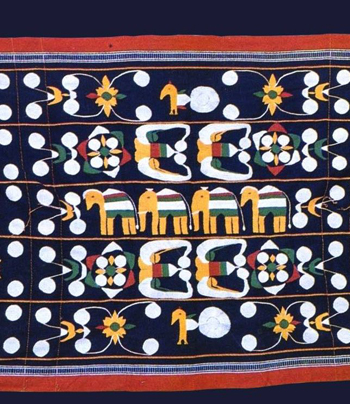
Shaphee Lanphee, a traditional ceremonial shawl from Manipur, India, originated as a prestigious honor cloth presented to warriors and respected community leaders. Woven by skilled Manipuri artisans using indigenous handlooms, it was never an everyday textile but a symbol of bravery, dignity, and royal recognition. Over time, this exclusive shawl became an integral part of festivals, cultural ceremonies, and heritage presentations, preserving its elite identity across generations.
Today, Shaphee Lanphee is promoted as a proud representation of Northeast India’s handloom excellence, gaining appreciation not only in India but also among global textile enthusiasts and collectors.
Basic Overview
| Field | Details |
|---|---|
| Craft Name | Shaphee Lanphee |
| Origin Region | Manipur, India |
| Craft Type | Handwoven Ceremonial Shawl |
| Traditional Use | Honor Cloth / Royal Gift |
| Material | Cotton / Wool |
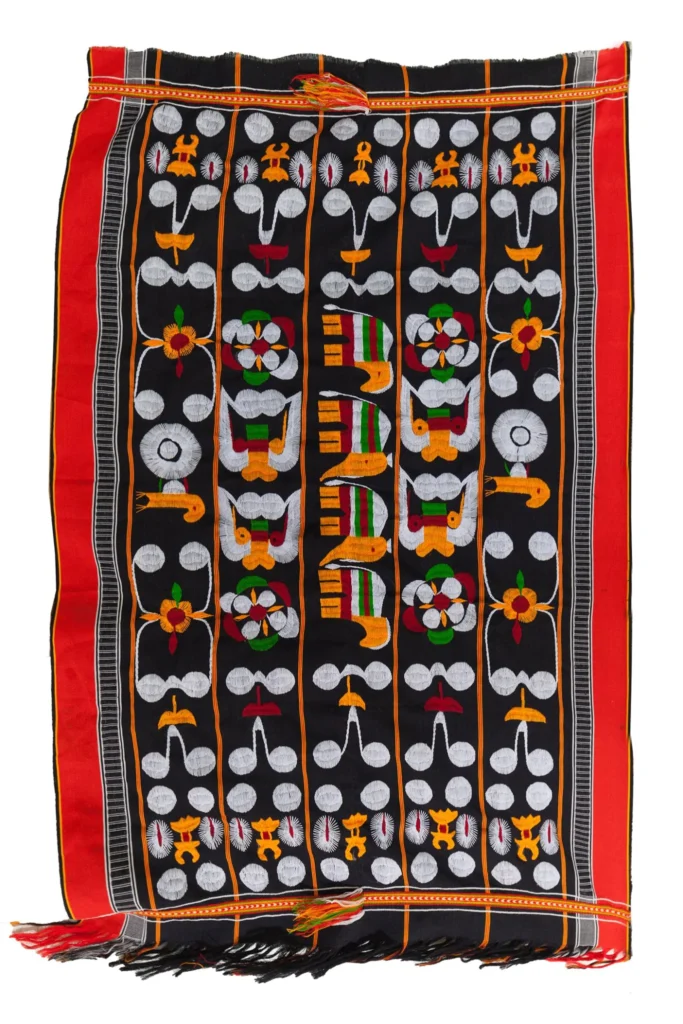
| Primary Colors | Black Base with Red & White Motifs |
| Production Style | Handloom Weaving & Embroidery |
| Cultural Value | Symbol of Respect & Prestige |
| Market Presence | Domestic & Cultural Export |
| Artisan Base | Manipuri Weaving Communities |
Shaphee Lanphee – Tracing Its Origins & Cultural Evolution
Shaphee Lanphee began as a royal recognition textile in ancient Manipuri society. It was traditionally awarded to individuals who displayed courage or contributed significantly to the community. The shawl’s black base signified strength and authority, while the red and white motifs represented purity, bravery, and prosperity.
As societal structures evolved, the shawl moved beyond royal circles and became a ceremonial fabric showcased in festivals, marriages, and cultural performances. Despite modernization, artisans continue to follow age-old weaving techniques, ensuring authenticity and heritage preservation.
Cultural Growth & Modern Recognition
Traditional Era: Exclusively used as a royal and warrior honor cloth.
Mid-20th Century: Recognized as a cultural identity textile of Manipur.
Contemporary Period: Promoted through handloom exhibitions, government craft fairs, and heritage tourism.
Global Interest: Appreciated by textile collectors and ethnic fashion designers.
Artisan Support: Encouraged by local cooperatives and state handloom initiatives.
Key Features & Craft Strengths
Heritage Prestige
Deeply rooted in Manipuri royal and warrior traditions.
Distinct Visual Identity
Black background with bold geometric borders.
Handloom Authenticity
Produced using manual weaving techniques.
Symbolic Motifs
Designs often represent protection, honor, and prosperity.
Limited Production
Not mass-manufactured, maintaining exclusivity.
Cultural Versatility
Used in ceremonies, décor, and ethnic fashion.
Artisan Legacy
Skills transferred across generations within families.
Sustainable Craft
Eco-friendly materials and slow-fashion appeal.
Market Presence & Cultural Identity
Strong association with Manipuri festivals and official ceremonies.
Popular in handloom exhibitions and museum collections.
Increasing demand among ethnic fashion designers.
Recognized as a heritage textile rather than a commercial product.
Appeals to collectors seeking authentic Indian handwoven fabrics.
Shaphee Lanphee – Artisan & Craft Clusters
| Cluster / Group | Founded | Promoter | Business Type | Market Reach | Ownership | Origin |
|---|---|---|---|---|---|---|
| Manipuri Artisan Families | Traditional | Local Communities | Handloom Weaving | Domestic | Community Based | Manipur, India |
| State Handloom Cooperatives | 1970s+ | State Govt. | Craft Promotion & Retail | National | Govt. Supported | Manipur, India |
| Private Ethnic Textile Boutiques | 1990s+ | Entrepreneurs | Heritage Textile Retail | Domestic & Export | Private | India |
Conclusion
Shaphee Lanphee – The Royal Shawl of Manipur reflects how a once-exclusive warrior honor cloth transformed into a celebrated cultural textile. Preserved through artisan dedication and community pride, it continues to symbolize dignity, respect, and artistic excellence. Today, Shaphee Lanphee stands as a living emblem of Manipuri heritage and India’s timeless handloom tradition, admired for both its historical depth and enduring aesthetic value.