Sattu: Bihar’s Traditional Superfood and Natural Energy Drink
Sattu is a widely popular traditional food from Bihar and nearby regions, known for its good taste and simplicity. It is not only enjoyed as an instant energy drink but also valued as a highly nutritious ingredient. Rich in fiber, calcium, iron, protein, and essential minerals, sattu is considered a natural superfood and continues to be widely consumed across India for its health benefits and refreshing nature.
What Is Sattu?
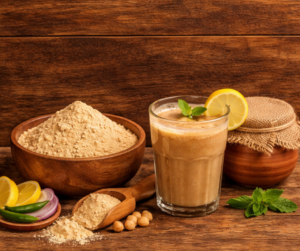
Sattu is usually made from roasted gram (chana), although in some regions, barley (jau) or maize (makka) is also added. Its texture is similar to besan (gram flour), but the dry-roasted chickpea aroma makes it easy to recognize. The process of making sattu has three simple steps: first, dry roasting the chickpeas; second, removing their skin; and third, grinding them into a fine flour. Sattu is now ready to consume. It can be mixed with water, along with salt or jaggery, or used to prepare various recipes.
| Nutrient | Approx. Amount |
|---|---|
| Calories | 413 kcal |
| Protein | 26 g |
| Carbohydrates | 60 g |
| Fiber | 18 g |
| Fat | 7 g |
| Calcium | 380 mg |
| Magnesium | 270 mg |
| Iron | 8.7 mg |
| Potassium | 825 mg |
Why Is Sattu So Popular?
- Sattu has gained popularity because it is simple, healthy, and fits perfectly into everyday life. It offers a rare combination of nutrition, convenience, and traditional value.
- First, sattu provides steady energy without feeling heavy. Since it is made from roasted grains, it supports digestion and keeps you full for a longer time.
- Second, it works very well in hot climates. When mixed with water, it helps cool the body and maintain hydration, which makes it especially useful during summer.
- Another reason is its ease of use. You can prepare it within minutes without cooking, so it is ideal for people with busy routines.
- In addition, sattu is affordable and easily available. This makes it accessible to people from all backgrounds.
- Finally, its strong connection with traditional food culture keeps it relevant even today. As people look for natural and healthy options, sattu continues to grow in popularity across India.
Traditional and Modern Uses of Sattu
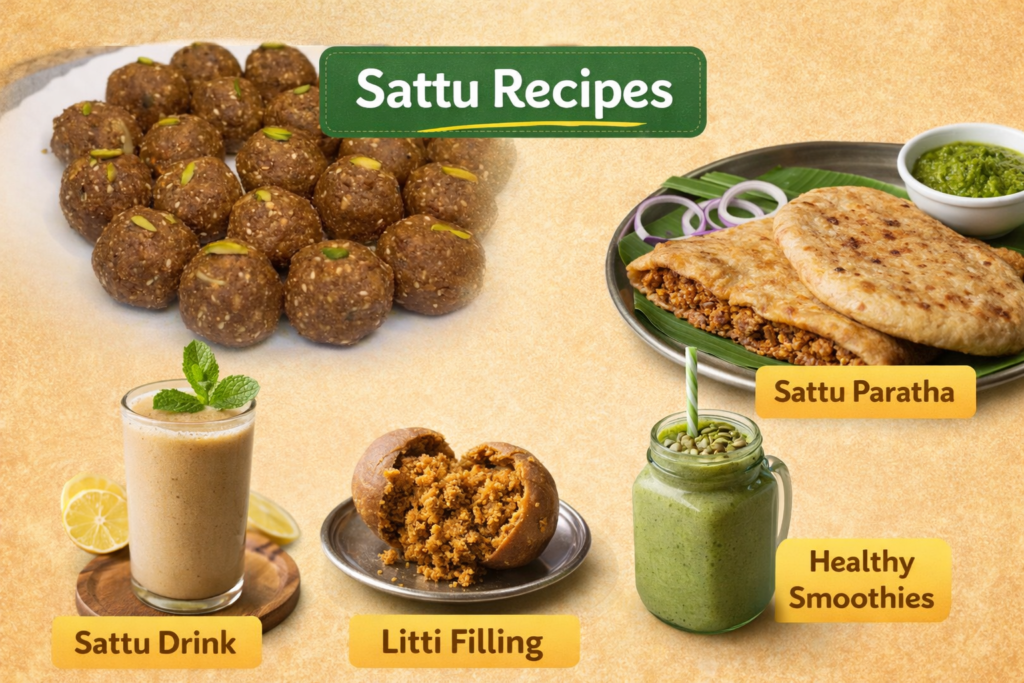
Sattu is used in various forms:
Sattu Drink (Sharbat): A refreshing summer beverage
Sattu Paratha: A stuffed flatbread popular in North India
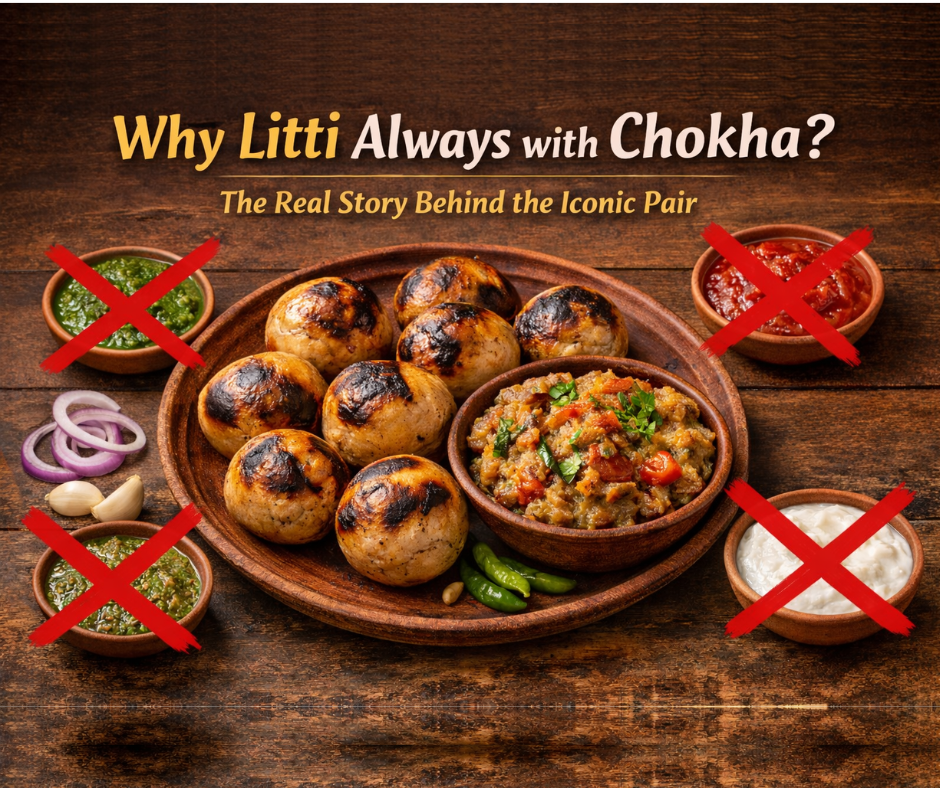
Litti Filling: A key ingredient in Bihar’s famous dish, Litti Chokha
Healthy Smoothies: A modern adaptation for fitness diets
How to Prepare Sattu Drink
Ingredients
2 tablespoons sattu
1 glass water
Salt or jaggery (as per taste)
Lemon juice (optional)
Roasted cumin powder
Method
Take a glass of water and add sattu to it. Stir well so that no lumps remain. Then add salt or jaggery according to your taste. You can also add a little lemon juice and roasted cumin powder for extra flavor. Mix everything properly and serve fresh.
Some known brands of Sattu
| Name | Founded | Promoter | Business Type | Market Reach | Ownership | Origin |
|---|---|---|---|---|---|---|
| Bihar Sattu Producers | Traditional | Local Farmers | Food Production | Domestic | Community-Based | India |
| Organic India (Sattu Range) | 1997 | Organic India Pvt Ltd | Organic Food Products | International | Private | India |
| 24 Mantra Organic | 2004 | Sresta Natural Bioproducts | Organic Packaged Foods | Domestic & Export | Private | India |
FAQs
What is sattu made of ?
Sattu is usually made from roasted gram (chana), although in some regions, barley (jau) or maize (makka) is also added.
Can I drink sattu daily?
A normal person can take 1-2 table spoon of sattu everyday it is a good source of protein and other minerals.
How it is different from regular flour besan?
It is different from regular flour because it is made from roasted chickpeas, whereas besan (gram flour) is made from raw split chickpea pulses.
What is sattu called in English?
Roasted chickpea flour