Rasgulla: A Traditional Indian Dessert Known for Its Syrupy Sweetness
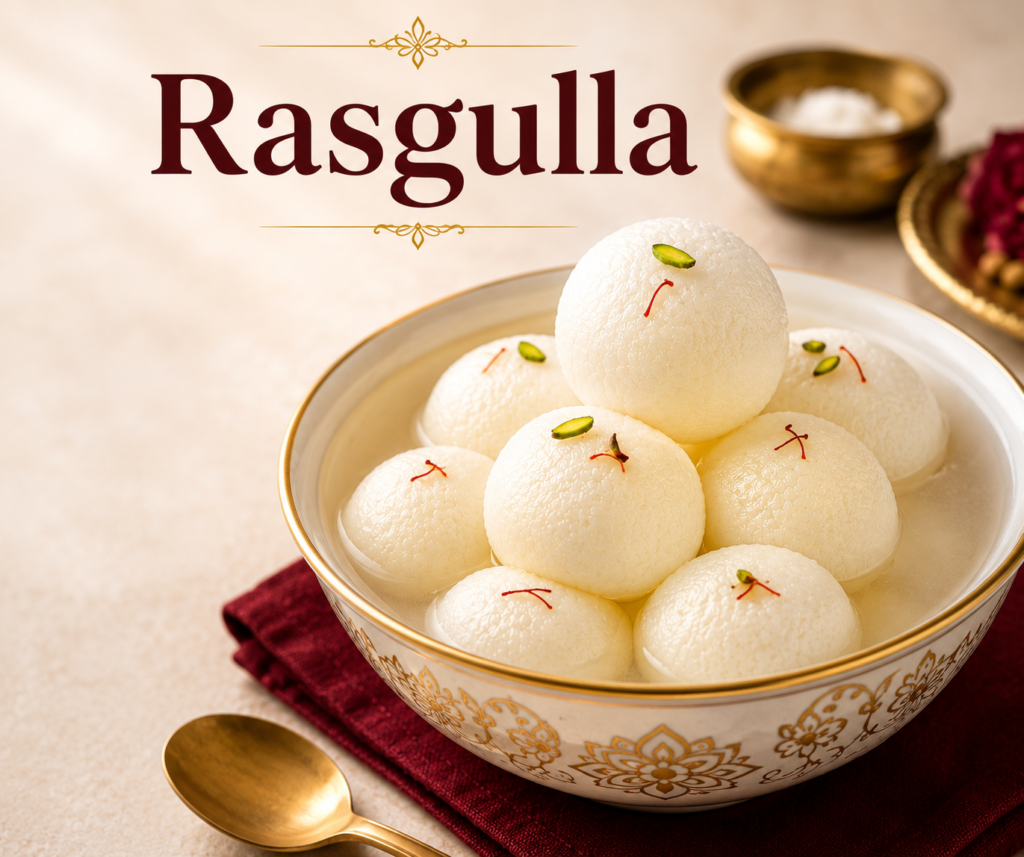
Rasgulla is a well-known Indian dessert admired for its soft, spongy texture and light sweetness. It is prepared using fresh chhena, which is shaped into small balls and cooked in sugar syrup. During cooking, the dessert absorbs the syrup, giving it a juicy and delicate taste. Its smooth texture makes it enjoyable without feeling too heavy. Rasgulla is often served during festivals, family gatherings, and special celebrations across India. Because of its refreshing flavor and simple ingredients, it remains a favorite sweet in many households and continues to be loved by people of all ages throughout the country.
What is Rasgulla?
Rasgulla is a syrup-based dessert created by shaping chhena into smooth balls and boiling them in sweetened water. During cooking, the balls expand and become soft, giving them their signature texture and juicy consistency.
Ingredients
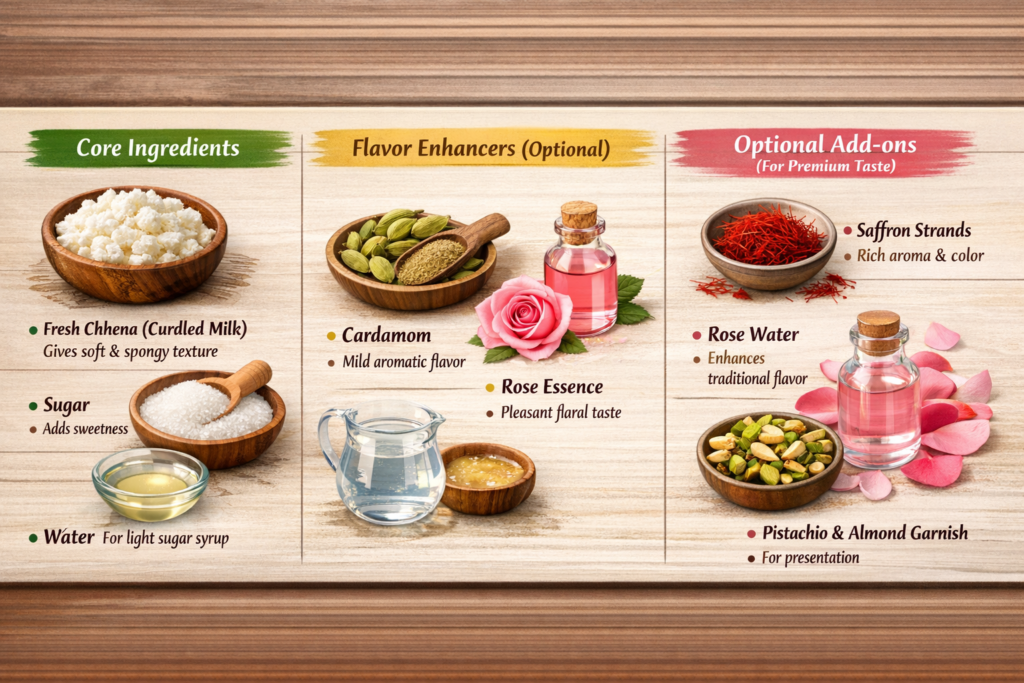
Core Ingredients
Fresh chhena (curdled milk) – gives soft and spongy texture
Sugar – adds sweetness and syrup consistency
Water – used to prepare light sugar syrup
Flavor Enhancers (Optional)
Cardamom – adds mild aromatic flavor
Rose essence – provides a pleasant floral taste
Optional Add-ons (For Premium Taste)
Saffron strands – for rich aroma and color
Rose water – enhances traditional flavor
Pistachio or almond garnish – for presentation
Preparation Method
To prepare rasgulla, milk is first curdled to obtain chhena. The chhena is then kneaded until smooth and shaped into small balls. These balls are cooked in hot sugar syrup, where they expand and absorb sweetness. After cooking, they are left in the syrup to enhance their taste and softness.
Why It Is Loved
This dessert stands out because it is light yet flavorful. Its airy structure makes it less heavy compared to many other sweets. Additionally, its juicy texture and mild sweetness make it appealing to people of all ages.
Cultural Importance
Rasgulla holds a special place in Indian culinary traditions, especially in the eastern regions. It is often served during festivals, family gatherings, and celebrations, symbolizing joy and hospitality.
Storage & Serving
For the best experience, rasgulla should be served chilled. It can be stored in the refrigerator for a few days while maintaining its softness and syrupy texture.
Top Rasgulla Brands in India
| Name | Founded | Role | Market Reach | Website |
|---|---|---|---|---|
| Haldiram’s | 1937 | Sweets & Snacks Manufacturer | National & Global | https://www.haldirams.com |
| Bikano | 1950 | Packaged Sweets & Snacks | National & Export | https://www.bikano.com |
| Bikanervala | 1950 | Traditional Sweets & Restaurant Chain | National & Global | https://www.bikanervala.com |
| KC Das | 1866 | Traditional Bengali Sweets Specialist | National | https://kcdasonline.com |
| Ganguram Sweets | 1885 | Bengali Traditional Sweet Brand | Regional & National | https://ganguram.com |
| MTR Foods | 1924 | Packaged Food & Desserts | National & Export | https://www.mtrfoods.com |
FAQs
What is a rasgulla made of?
Is rasgulla from Odisha or Bengal?
Is rasgulla healthy or junk?
Rasgulla can be considered moderately healthy when eaten in small amounts, as it is made from milk and is low in fat, but its high sugar content means it should not be consumed in excess.
How much rasgulla is in 1 kg?
About 18 to 25 rasgullas are usually there in 1 kg, depending on their size and syrup content.