Puan Weaving Journey: From Tribal Tradition to Proud Indian Handloom Heritage
Puan Weaving, originating from the northeastern state of Mizoram, is a centuries-old textile tradition deeply rooted in Mizo tribal culture. The term “Puan” simply means cloth, yet its significance goes far beyond daily wear. Traditionally woven by Mizo women using backstrap or loin looms, these textiles were first created for community rituals, dances, and ceremonial attire. Over time, Puans evolved from simple striped fabrics into richly patterned shawls such as Puanchei and Kawrchei, becoming powerful symbols of identity, pride, and craftsmanship.
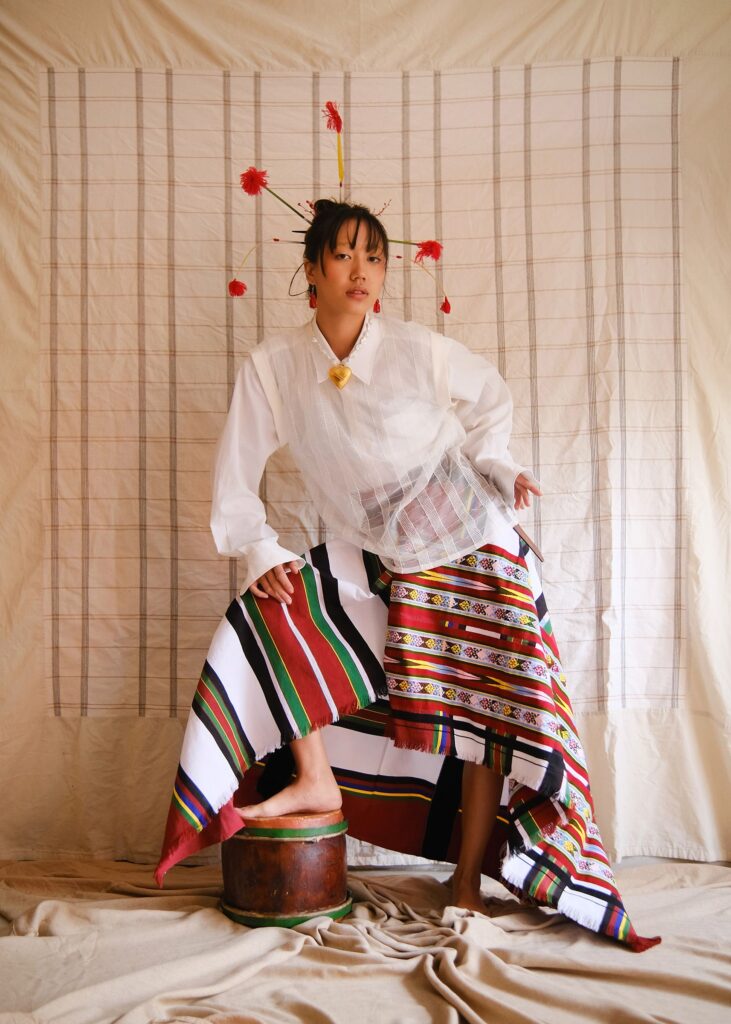
Basic Overview
| Field | Details |
|---|---|
| Craft Name | Puan Weaving |
| Origin State | Mizoram, India |
| Community | Mizo Tribes |
| Craft Type | Handloom Textile Weaving |
| Traditional Loom | Backstrap / Loin Loom |
| Primary Materials | Cotton & Wool Yarns |
| Famous Variants | Puanchei, Kawrchei, Hmaram |
| Cultural Use | Festivals, Weddings, Folk Dances |
| Modern Products | Shawls, Stoles, Bags, Garments |
| Market Presence | Domestic & Export |
| Status | Proudly Made in India Handloom |
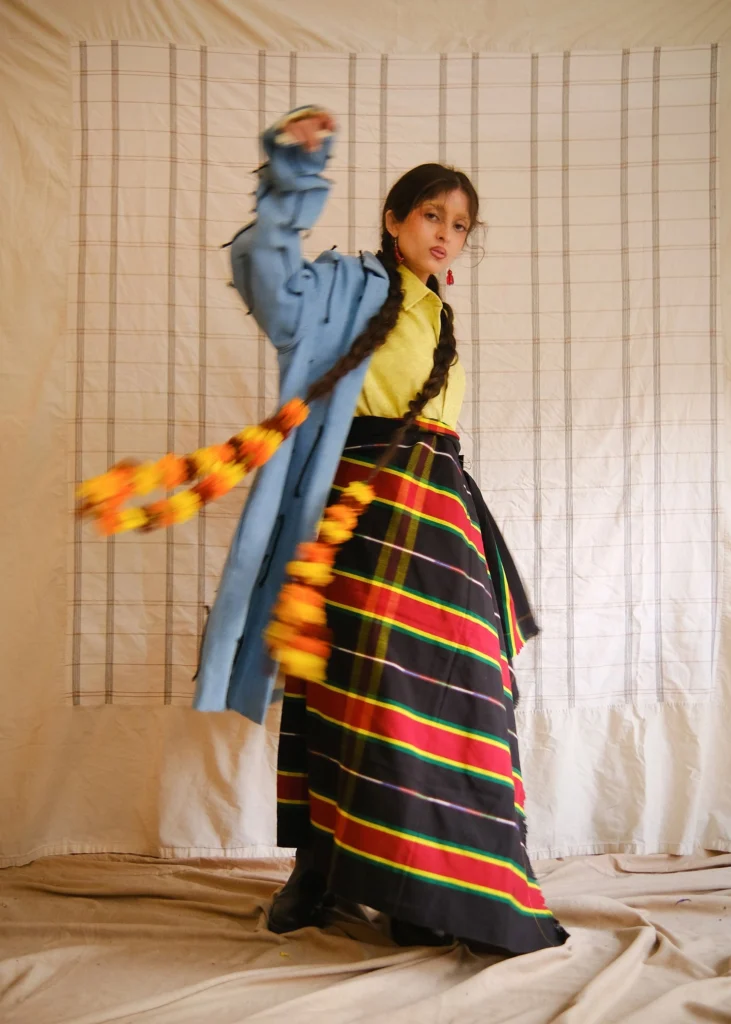
Puan Weaving – Tracing Its Origins & Craft Evolution
Puan weaving began as a household craft practiced by tribal women, where weaving skills were passed from mothers to daughters. Early designs were simple stripes and earthy tones, reflecting nature and daily life. As social customs evolved, more intricate geometric motifs and vibrant color combinations such as red, black, yellow, and white became prominent.
The introduction of organized handloom societies and artisan cooperatives strengthened production quality and market reach. While the weaving technique remains manual and traditional, modern adaptations now include fashion accessories and home décor items, ensuring the craft’s sustainability in a changing economy.
Growth & Cultural Expansion
Traditional Era:
Puans primarily used for ceremonial clothing and community identity.
Government & Cooperative Support:
Handloom boards and tribal welfare programs boosted visibility and artisan income.
Modern Adaptation:
Designers incorporated Puan fabrics into contemporary fashion and lifestyle products.
Export Recognition:
Growing appreciation in global handicraft and ethical fashion markets.
Key Features & Craft Strengths
Cultural Identity
Every motif and color carries symbolic tribal meaning.
Handmade Authenticity
Each textile is individually woven, ensuring uniqueness.
Vibrant Aesthetics
Bold geometric patterns and striking color contrasts.
Eco-Friendly Craft
Low-impact weaving methods and natural fibers.
Women Empowerment
Major source of livelihood for rural Mizo women.
Versatility
From traditional shawls to modern fashion and décor items.
Heritage Preservation
Keeps indigenous weaving traditions alive across generations.
Market Presence & Craft Identity
Strong representation in Indian handloom exhibitions and tribal fairs.
Increasing popularity among ethical and sustainable fashion buyers.
Recognized for bright striped patterns and symmetrical motifs.
Positioned as both a cultural garment and a contemporary lifestyle textile.
Puan Weaving – Artisan & Craft Clusters
| Cluster / Group | Founded | Promoter | Business Type | Market Reach | Ownership | Origin |
|---|---|---|---|---|---|---|
| Mizo Artisan Families | Traditional | Local Communities | Household Handloom | Domestic | Community Based | Mizoram, India |
| Mizoram Handloom Cooperatives | 1970s+ | State Govt. | Textile Production & Promotion | National | Semi-Govt | India |
| Private Tribal Textile Enterprises | 2000s+ | Entrepreneurs | Fashion & Export | International | Private | India |
Conclusion
Puan Weaving – Timeless Tribal Textile of India represents more than fabric; it embodies identity, artistry, and cultural continuity. From humble household looms in Mizoram to national and global recognition, the journey of Puan weaving reflects the strength of India’s indigenous handloom heritage. Proudly made in India, this vibrant textile continues to bridge tradition with modern creativity while sustaining artisan communities for future generations.