Phad Painting – Sacred Narrative Scroll Art of Rajasthan
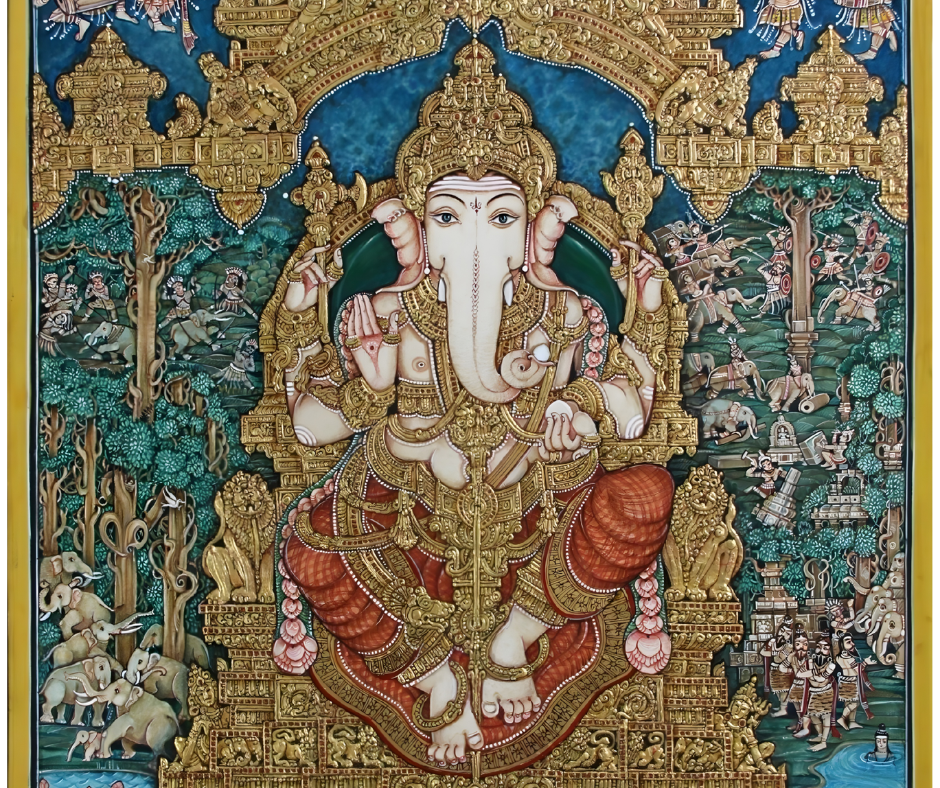
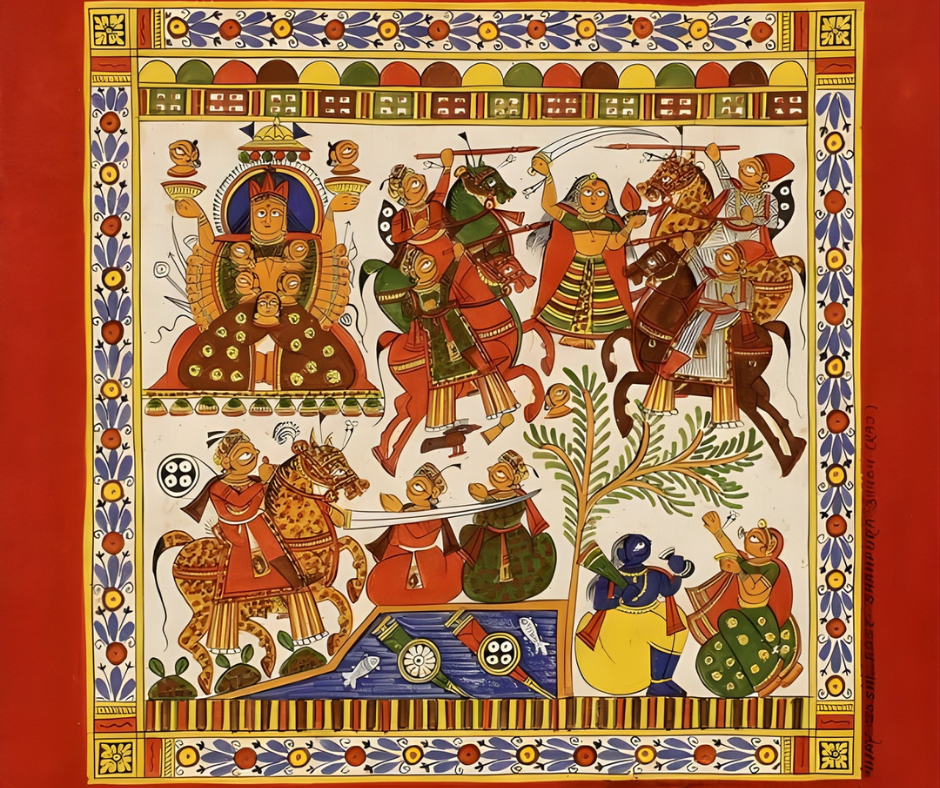
Phad Painting (Phad / फड़) is one of India’s most distinctive religious scroll painting traditions, originating from the desert regions of Rajasthan. Deeply rooted in oral storytelling and ritual performance, Phad Painting represents a unique synthesis of visual art, music, devotion, and community worship. Traditionally painted on long cloth scrolls known as phad, these artworks function as mobile temples, narrating the heroic and divine legends of Rajasthan’s revered folk deities.
Basic Overview
| Field | Details |
|---|---|
| Traditional Visual | Hand-painted horizontal narrative scrolls |
| Alternative Names | Phad / Phad Chitra |
| Craft Type | Religious Scroll Painting & Folk Narrative Art |
| Artisan Community | Joshi (Chhipa) painter community |
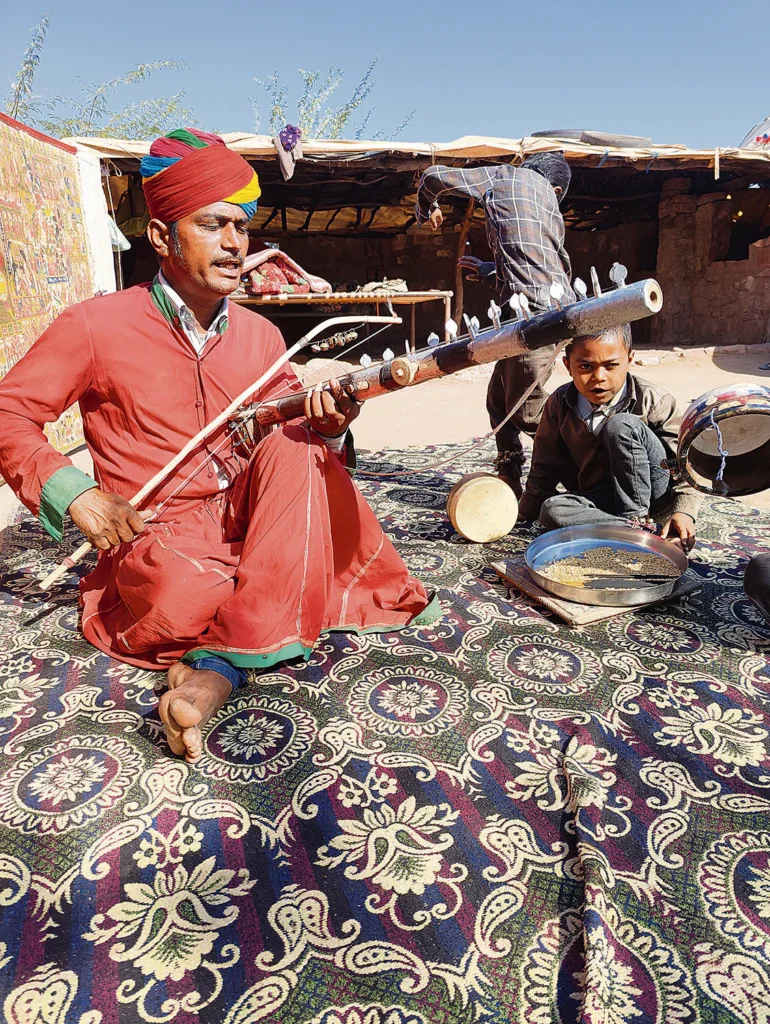
| Ritual Performers | Bhopa priest-singers |
| Area | Bhilwara region – Rajasthan |
| Country | India |
| Primary Themes | Folk deities, heroic legends, mythological narratives |
| Painting Surface | Handwoven cotton cloth (Phad) |
| Tools Used | Handmade natural hair brushes |
| Colors & Pigments | Vegetable & mineral pigments |
| Distinctive Feature | Mobile temple used in ritual storytelling |
| Cultural Status | Living ritual & performative art tradition |
| GI Status | Recognized traditional heritage art |
Phad Painting – Origins & Cultural Legacy
The origins of Phad Painting can be traced back nearly 700 years, evolving alongside Rajasthan’s vibrant oral epic traditions. These scrolls were traditionally commissioned by pastoral and warrior communities, particularly the Rebari community, for whom folk deities acted as divine protectors and cultural heroes.
The two most canonical and historically significant Phads are:
Pabuji Ki Phad – depicting the life and battles of folk hero-deity Pabuji
Devnarayan Ki Phad – narrating the divine life of Devnarayan, believed to be an incarnation of Lord Vishnu
Symbolism & Iconography
Phad Painting follows a strict symbolic and visual grammar:
Central Deity & Heroic Figures – spiritual and narrative focus
Hierarchical Scaling – important figures painted larger
Continuous Narrative Panels – multiple episodes within one scroll
Absence of Empty Space – symbolizes completeness and abundance
Borders & Frames – define sacred storytelling space
Traditional Materials & Technique
The making of a Phad is a ritualized, multi-stage process:
Base Preparation – Cotton cloth treated with rice paste and natural gum
Polishing – Smoothed using stones for durability
Outline Drawing – Black pigment establishes composition
Color Application – Fixed sequence: yellow, green, red, blue, black
Final Detailing – Borders, figures, and narrative elements refined
All pigments were traditionally derived from vegetables, stones, minerals, and metals, ensuring longevity and natural brilliance.
Ritual & Social Importance
Phad Painting is inseparable from its performative tradition. The scrolls are carried by Bhopas, who:
Unroll the Phad during night rituals
Illuminate it with oil lamps
Sing and narrate the epic stories using traditional instruments
During performance, the Phad is treated as a living deity, transforming any space into a sacred shrine.
Modern Revival & Contemporary Adaptations
In the 20th century, Phad Painting witnessed a major revival under Shree Lal Joshi, who expanded the art beyond hereditary boundaries. In 1960, he established Chitrashala in Bhilwara, opening formal training to artists from all communities.
Contemporary Phad Painting now includes:
Smaller scrolls and framed artworks
Themes from classical texts like Ramcharitmanas and Bhagavad Gita
Museum collections and international exhibitions
Heritage décor and collectible art pieces
Manufacturer & Top Brands
| Cluster / Institution | Founded | Promoter | Art Type | Market Reach | Ownership | Origin |
|---|---|---|---|---|---|---|
| Traditional Joshi Artisan Families | Ancient | Hereditary Painters | Ritual Scroll Paintings | Local / Regional | Community-based | Rajasthan |
| Bhilwara Phad Painting Clusters | Traditional | Artisan Communities | Narrative Folk Art | Domestic | Community | Rajasthan |
| Chitrashala (Joshi Kala Kendra) | 1960 | Shree Lal Joshi | Phad Training & Preservation | National / Global | Institutional | Rajasthan |
| State Handicrafts Bodies | 1970s–80s | Govt. Agencies | Craft Promotion | National | Government | India |
| Contemporary Art Studios | 2000s | Artists & Designers | Modern Phad Art | Export | Private | India |
Conclusion
Phad Painting is far more than a visual art form—it is a sacred narrative system that preserves Rajasthan’s heroic legends, devotional practices, and communal memory. Through its monumental scrolls, ritual performances, and living traditions, Phad Painting stands as a powerful symbol of India’s intangible cultural heritage. Preserving and promoting this art ensures that storytelling, spirituality, and craftsmanship continue to thrive across generations.