Pattachitra Painting – Sacred Folk Art of Eastern India
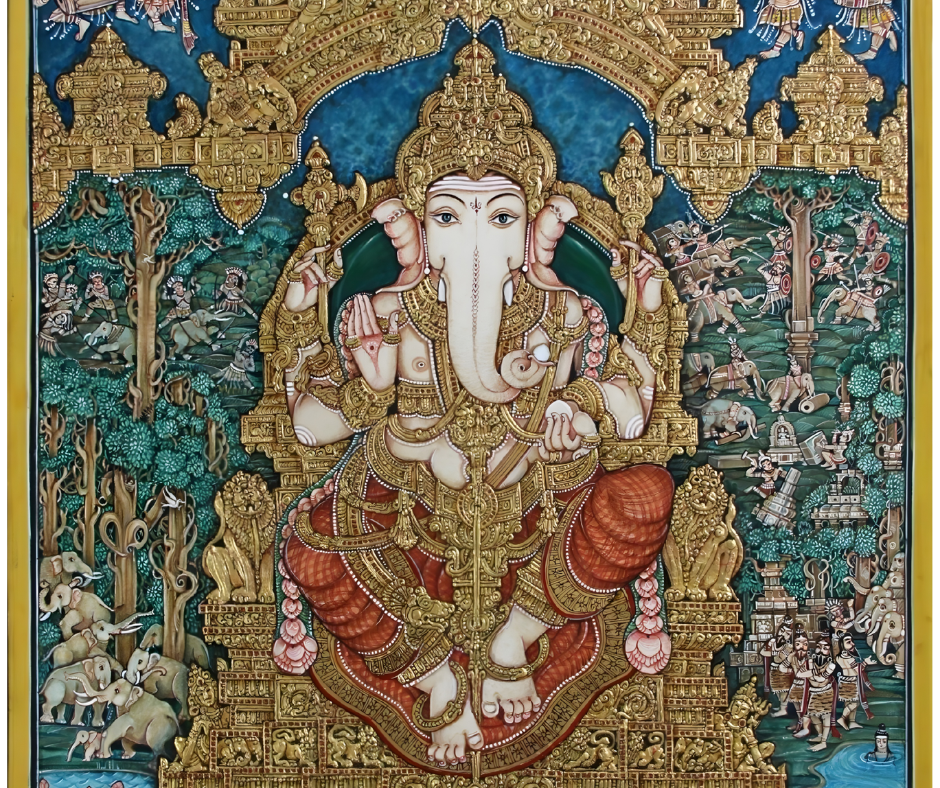
Pattachitra Painting (also known as Patachitra) is a centuries-old traditional art form of eastern India, primarily practiced in Odisha and West Bengal. The word Patta means cloth and Chitra means picture, reflecting the art’s traditional canvas and storytelling nature. Renowned for its bold outlines, flat perspective, intricate detailing, and mythological narratives, Pattachitra represents a sacred blend of devotion and craftsmanship.
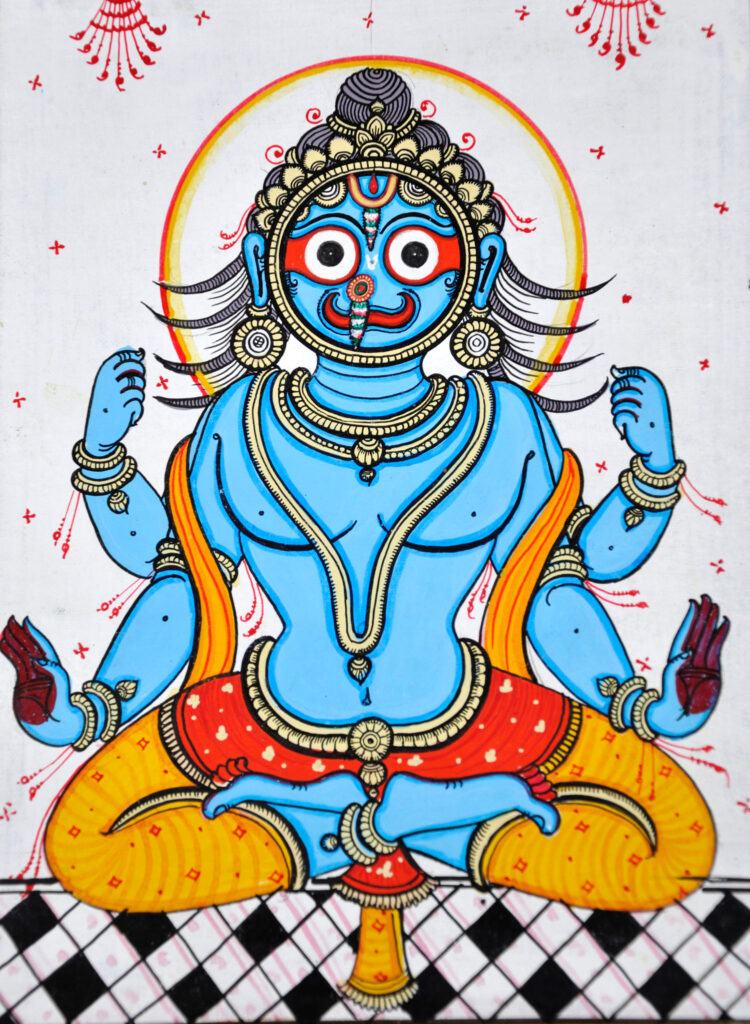
Basic Overview
| Field | Details |
|---|---|
| Craft Name | Pattachitra Painting |
| Traditional Visual | Hand-painted narrative scenes with bold outlines, flat perspective & intricate detailing |
| Alternative Names | Patachitra, Pattachitra |
| Craft Type | Traditional Textile & Visual Folk Art |
| Major Regions | Odisha, West Bengal |
| Country | India |
| GI Registration | Odisha Pattachitra – 10 July 2008Bengal Patachitra – 28 March 2018 |
| Primary Materials | Treated cotton cloth, silk fabric, palm leaf |
| Natural Colors Used | Mineral stones, shells, vegetable & plant-based pigments |
| Tools Used | Handmade fine brushes, stylus (for palm leaf), tamarind seed gum |
| Main Themes | Jagannath culture, Krishna Leela, Dashavatara, Ramayana & Mahabharata |
| Key Artisan Areas | Raghurajpur, Puri, Danda Sahi, Parlakhemundi, Chikiti, Digapahandi, Sonepur, Dharakote (Odisha)Pingla, Birbhum, Midnapore, Bardhaman, Murshidabad, Kalighat (West Bengal) |
| Registered Logos | GI Tag, Handicraft Mark |
| Current Usage | Wall art, scroll paintings, sarees, dupattas, home décor |
Themes and Iconography
Pattachitra paintings follow strict traditional norms and iconography. Popular themes include:
Lord Jagannath, Balabhadra, and Subhadra
Krishna Leela and Dashavatara
Episodes from Ramayana and Mahabharata
Floral borders, geometric patterns, and symbolic motifs
Materials and Technique
Authentic Pattachitra painting is entirely handmade and eco-friendly:
Canvas: Cotton cloth coated with chalk powder and tamarind seed gum
Colors: Natural pigments made from stones, minerals, leaves, flowers, and shells
Brushes: Handmade using animal hair or plant fibers
Palm Leaf Art: Designs engraved on palm leaves (Talapatra Chitra) and filled with natural ink
Regional Styles
Odisha Pattachitra: Detailed, devotional paintings on cloth and palm leaf, deeply associated with temple traditions
Bengal Patachitra: Scroll-based narrative paintings focusing on folklore, social themes, and mythology
Both styles are GI-tagged and legally protected as heritage crafts of India.
Cultural & Contemporary Relevance
Today, Pattachitra art has expanded beyond paintings into sarees, dupattas, wall décor, home furnishings, and lifestyle products. Despite modern adaptations, traditional artisans continue to preserve age-old methods and symbolism.
Manufacturer & Top Brands
| Cluster / Institution | Founded | Promoter | Art Type | Market Reach | Ownership | Origin |
|---|---|---|---|---|---|---|
| Traditional Pattachitra Artisan Families | Ancient | Hereditary Chitrakar Families | Hand-Painted Pattachitra on Cloth & Palm Leaf | Global | Private | Odisha |
| Raghurajpur Pattachitra Heritage Cluster | Traditional | Local Artisan Community | Mythological Pattachitra Painting | Export | Community | Raghurajpur |
| Odisha State Handloom & Handicrafts Bodies | 1950s–70s | Govt. of Odisha | Craft Promotion & Artisan Support | Global | Government | Odisha |
| Craft NGOs & Artisan Trusts | 1990s | NGOs & Cultural Trusts | Pattachitra Preservation & Training | Global | Non-Profit | India |
| Contemporary Craft Brands & Marketplaces | 2000s | Designers / SMEs | Modern & Product-Based Pattachitra Art | Export | Private | India |
Conclusion
Pattachitra Painting is not merely an art form—it is a living tradition of storytelling, devotion, and sustainable craftsmanship. With GI recognition, global appreciation, and strong artisan communities, Pattachitra continues to stand as a proud symbol of India’s rich cultural heritage.