Nagpur Orange: The Citrus Jewel of Maharashtra
Vibrant, aromatic, and bursting with sunshine — the Nagpur Orange is more than just a fruit; it is the symbolic soul of Maharashtra’s heartland. Known for its brilliant orange hue, juicy sweetness, and tangy zest, this citrus treasure defines the city of Nagpur — famously called “The Orange City of India.”
From the orchards of Vidarbha to global markets, the Nagpur Orange stands as a shining example of India’s agricultural excellence and regional pride.
History and Origin
The story of the Nagpur Orange traces back to the late 19th century, when citrus cultivation began to flourish under the patronage of local rulers in the Vidarbha region. The area’s black cotton soil (regur), moderate rainfall, and unique temperature range proved perfect for nurturing this mandarin variety (Citrus reticulata Blanco).
Over time, the orange became intertwined with the cultural identity of Nagpur. Farmers developed local expertise, refining grafting and pruning techniques that gave rise to a fruit with distinct sweetness, thin peel, and long shelf life.
Milestone:
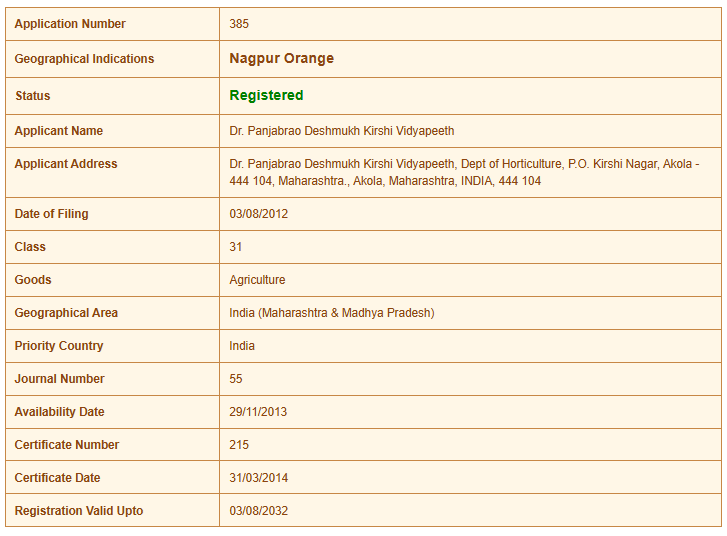
🟠 The Geographical Indication (GI) tag for Nagpur Orange was officially registered in 2012 and came into force in 2014, recognizing its regional uniqueness and quality.
Cultivation and Varieties
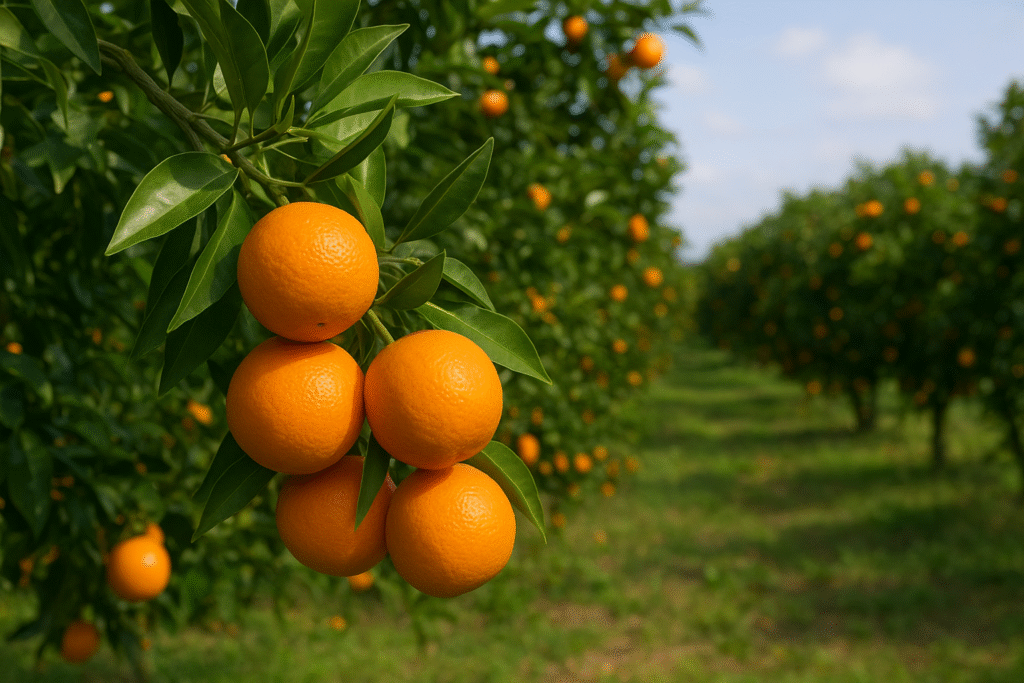
Nagpur Orange is primarily grown across Nagpur, Wardha, Amravati, Buldhana, and Chandrapur districts in Maharashtra.
| Season | Type | Harvest Period | Features |
|---|---|---|---|
| Ambia Crop | Early Season | November – December | Slightly tangy and aromatic |
| Mrig Crop | Late Season | January – February | Sweeter and juicier |
as per the nursery today india exports citrus fruit to nepal bangladesh bhutan and uae
Manufacturing and Processing
From orchard to export crate, every Nagpur Orange goes through a meticulous process designed to preserve freshness and flavor.
| Step | Process | Details |
|---|---|---|
| 1️⃣ | Harvesting | Fully ripened fruits are handpicked carefully to prevent bruising. |
| 2️⃣ | Grading | Oranges are sorted by size, color, and peel quality. |
| 3️⃣ | Washing & Cleaning | Fruits are washed to remove soil, dust, and residues. |
| 4️⃣ | Waxing & Polishing | Natural wax is applied to enhance gloss and extend shelf life. |
| 5️⃣ | Packaging | Packed in ventilated crates or cartons with soft cushioning. |
| 6️⃣ | Storage & Distribution | Stored in cool chambers before reaching domestic and export markets. |
Cultural and Economic Importance
The Nagpur Orange is not merely a fruit — it’s a cultural emblem.
Locally, it is featured in sweets like Orange Barfi and beverages like Orange Squash, while also inspiring art, festivals, and souvenirs in the “Orange City.”
Economically, it fuels Vidarbha’s agro-economy, providing seasonal employment and sustaining rural livelihoods. The fruit’s popularity has also given rise to the Nagpur Orange Festival, celebrating the region’s farmers and their craftsmanship.
Recognition and Global Reach
🟠 Geographical Indication (GI) Tag – Granted in 2012, effective 2014
🟢 Export Expansion – Supported by APEDA and MSAMB
🔸 Scientific Support – Central Citrus Research Institute (CCRI), Nagpur, ensures quality and innovation
🔹 Trade Growth – Annual exports to Gulf and European markets continue to rise steadily
Conclusion
From the sun-drenched orchards of Vidarbha to dining tables around the world, the Nagpur Orange radiates the essence of Maharashtra — bright, pure, and full of life.
Each orange tells a story — of hardworking farmers, fertile soil, and the timeless bond between people and their land. As global demand for natural, chemical-free produce grows, this golden fruit continues to shine as a symbol of India’s agricultural pride and citrus excellence.


Post Comment