Naga Mircha – India’s Fiery and Premium Chili Pepper
Fiery, aromatic, and intensely flavorful — Naga Mircha, also known as Naga King Chilli, Bhoot Jolokia, or the Ghost Pepper, stands as a symbol of Nagaland’s tradition, strength, and identity.
Recognized as one of the hottest chillies in the world, Naga Mircha earned its Geographical Indication (GI) tag in 2008, celebrated globally for its fierce pungency, unique aroma, and organic cultivation in the pristine hills of Northeast India.
History and Origin of Naga Mircha
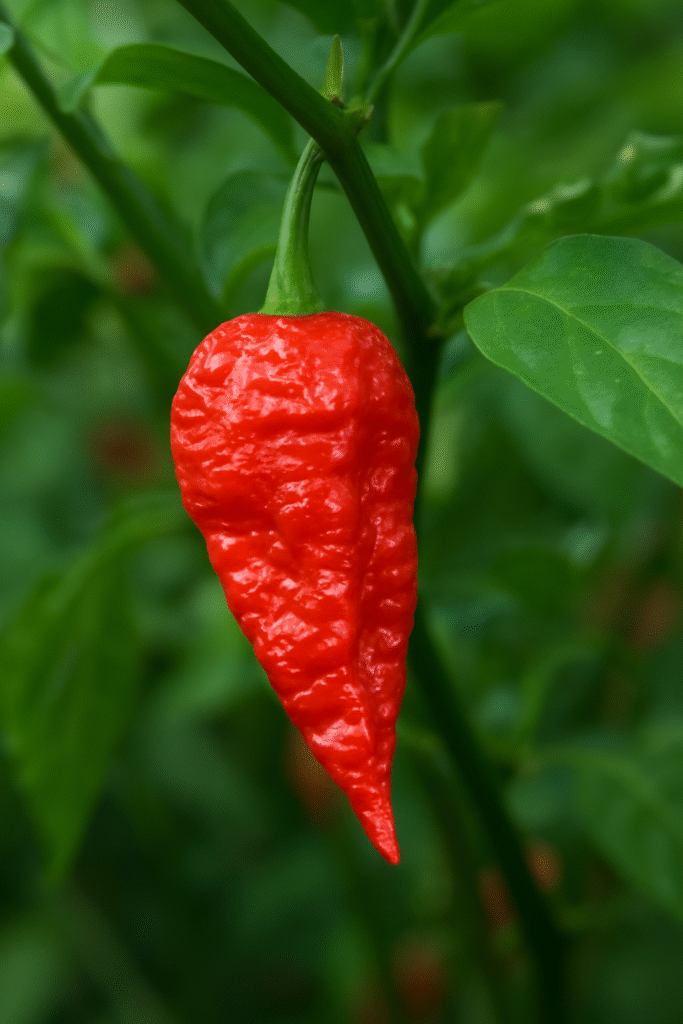
The origins of Naga Mircha trace back to the lush, rain-fed hills of Nagaland, where local Naga tribes have cultivated this fiery fruit for generations. Traditionally, it was valued not just as a culinary ingredient but also for its medicinal and preservative properties.
Scientifically classified as Capsicum chinense, Naga Mircha registers between 800,000 to 1,041,000 Scoville Heat Units (SHU) — ranking it among the world’s top five hottest chillies.
Over time, the Naga people perfected their cultivation methods, preserving its distinctive heat and smoky flavor. Today, Naga Mircha has transcended local boundaries, becoming a global ambassador of India’s spice heritage.
Cultivation Process
Manufacture & Export
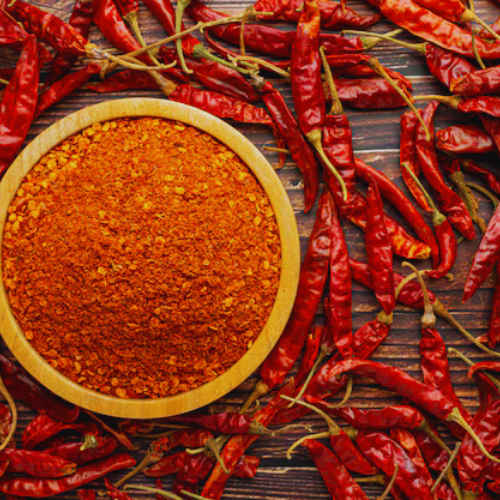
The manufacturing and processing of Naga Mircha are carried out by skilled tribal farmers, self-help groups, and cooperative societies across Nagaland. Post-harvest handling focuses on maintaining purity, natural heat, and aroma.
Drying, grading, and packaging are done with modern techniques like vacuum sealing and dehydration, ensuring international export quality.
| Aspect | Details |
|---|---|
| Domestic Distribution | Supplied to gourmet markets, organic stores, and spice brands across India. |
| Export Destinations | USA, UK, Japan, Germany, South Korea, and UAE. |
| Export Products | Whole dried chillies, chilli flakes, powders, pickles, and spicy sauces. |
| Major Exporters | NERAMAC, Tribal Spices Nagaland, Nagaland Organic Spices, Zizira, Hill Wild Foods. |
| Government Support | Backed by APEDA, Nagaland Department of Horticulture, and One District One Product (ODOP) initiatives. |
Nutritional and Medicinal Value
Rich in Capsaicin, known to boost metabolism and relieve joint pain.
High in Vitamin C, A, and antioxidants, strengthening immunity.
Traditionally used as a digestive aid and natural pest repellent.
Studied for potential anti-cancer and anti-inflammatory benefits.
Major Producing Regions in Nagaland
Kohima
Dimapur
Peren
Mokokchung
These hilly districts, blessed with warm days, humid air, and fertile soil, provide the perfect ecosystem for cultivating this globally celebrated chilli.
Recognition and Government Support
GI Tag Year: 2008
Registered As: Naga Mircha / Naga King Chilli under the GI Act, 1999
Promoting Bodies: Nagaland State Agricultural Marketing Board & NERAMAC
Support Initiatives: Branding under ODOP, export training for farmers, and participation in global spice fairs and organic trade expos.
Culinary and Cultural Significance
In Naga households, Naga Mircha is more than just an ingredient — it’s a way of life. Its bold heat enhances dishes like smoked pork curry, bamboo shoot chutney, and traditional pickles, defining the soul of Naga cuisine.
Beyond Nagaland, it has become a culinary sensation, embraced by international chefs and hot sauce makers who seek authentic, intense flavors straight from India’s Northeast.
Global Recognition
From BBC documentaries to international spice competitions, Naga Mircha continues to make headlines as a symbol of India’s spice power.
Its distinct, smoky heat has inspired global food brands, gourmet restaurants, and even hot sauce challenges.
From the hills of Kohima to kitchens in London and Tokyo, Naga Mircha proudly carries the fiery essence of India’s Northeast.
Conclusion
From the terraced farms of Nagaland to global dining tables, Naga Mircha’s journey tells a story of courage, craftsmanship, and culture.
Each vibrant red pod embodies the hard work of tribal farmers, the purity of the Eastern hills, and the fiery taste that defines India’s spice legacy.