Mysore Traditional Painting – Classical South Indian Art
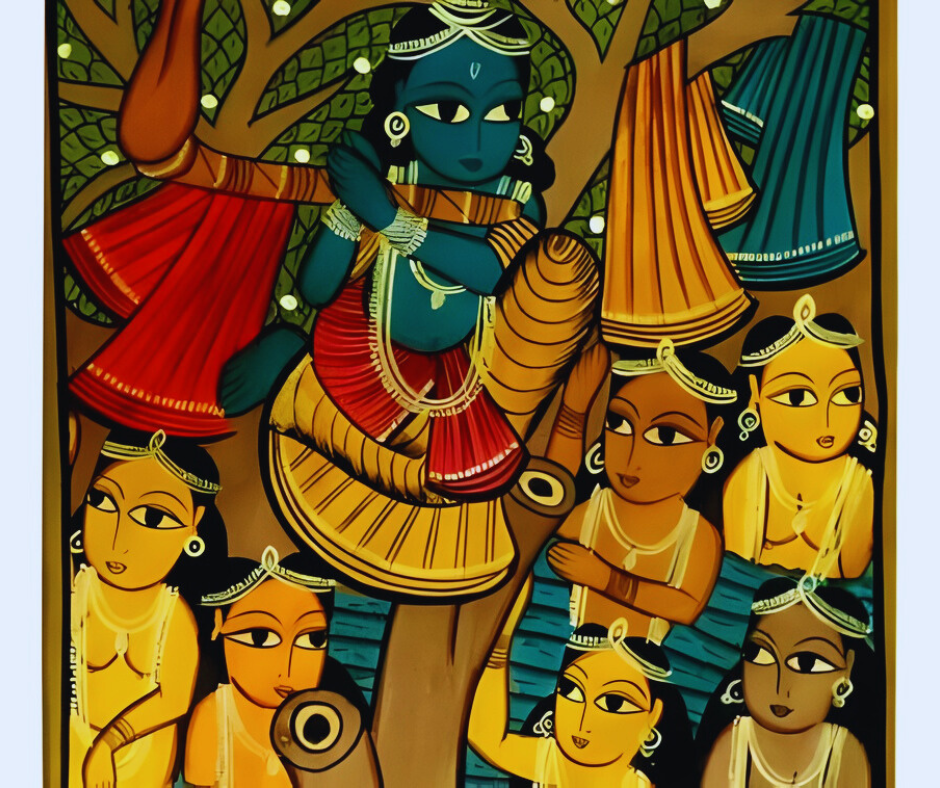
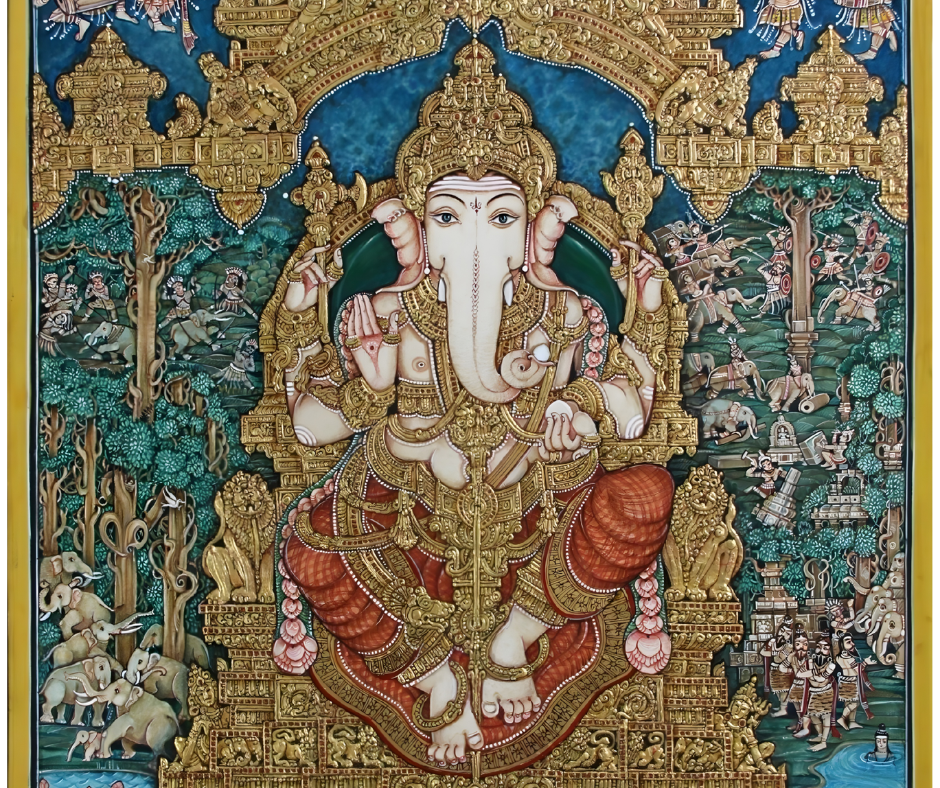
Mysore Traditional Painting is a refined Indian classical art style that originated in the historic city of Mysore, Karnataka. Known for its soft color tones, intricate detailing, and rich gold leaf embellishments, this art form beautifully combines devotion and elegance. Traditionally practiced under royal patronage, these paintings were created to decorate palaces and temples, reflecting spirituality and refined craftsmanship. For additional historical background and visual references, you can read more here: https://en.wikipedia.org/wiki/Mysore_painting
Over time, Mysore designs moved beyond royal courts into art galleries, home décor, and modern collectible pieces. What began as a temple and palace art tradition has now evolved into a globally admired heritage style appreciated for its calm expressions, balanced composition, and luminous gold work. Official regional culture and tourism details are also available at: https://karnatakatourism.org
Basic Overview of Mysore Traditional Painting
| Field | Details |
|---|---|
| Name | Mysore Traditional Painting |
| Origin Region | Mysore, Karnataka |
| Established | 14th–18th Century |
| Art Type | Classical & Temple Painting |
| Primary Colors | Soft Earthy Palette with Gold |
| Materials Used | Natural Pigments, Gold Leaf, Handmade Paper |
| Motif Style | Deities & Mythological Themes |
| Method | Freehand Brush & Gesso Work |
| Usage | Wall Décor, Temples, Art Collectibles |
| Market Presence | India & International |
Origins & Craft Evolution of Mysore Painting Art
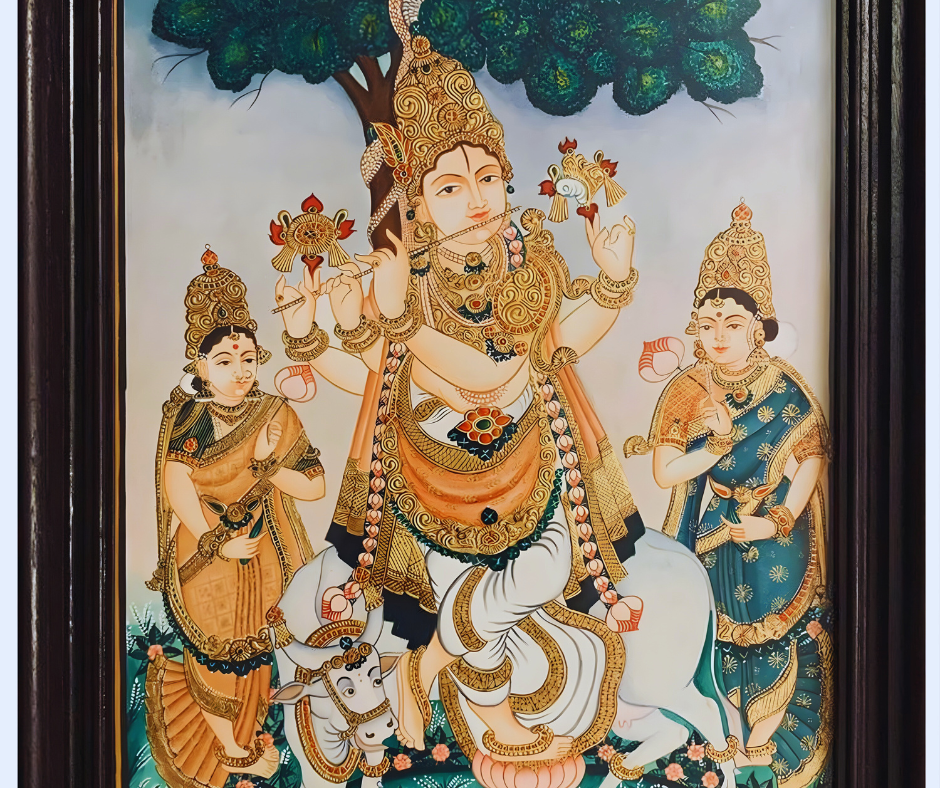
This painting tradition flourished during the rule of the Wodeyar dynasty, where artists received royal encouragement to develop a delicate and graceful style. Using handmade surfaces and natural pigments, painters emphasized fine lines, ornamental borders, and serene facial expressions. A special embossing technique known as gesso work was introduced, where gold foil is applied over raised patterns to create a glowing three-dimensional effect.
With modernization and renewed appreciation for Indian heritage décor, these devotional artworks expanded into framed canvases, lifestyle décor, and contemporary adaptations while preserving their spiritual calmness and precision.
Growth & Recognition of Mysore Traditional Designs
Royal Era: Patronage under Mysore kings established the style
19th Century: Spread through temple and palace commissions
Late 20th Century: Revival through art schools and exhibitions
Modern Era: Adoption in luxury home décor and designer art
Global Reach: Rising demand in heritage and collectible art markets
Key Features of Mysore Traditional Painting
Spiritual Themes
Paintings mainly portray Hindu deities and epic scenes.
Gold Leaf Embellishment
Raised gold foil creates a luminous, embossed effect.
Soft Color Palette
Muted reds, greens, and blues enhance elegance.
Fine Line Detailing
Intricate jewelry, garments, and borders stand out.
Balanced Composition
Symmetry and calm expressions define the artwork.
Versatile Décor Appeal
Suitable for temples, galleries, and classic interiors.
Handcrafted Authenticity
Traditional brush techniques ensure uniqueness.
Market Presence of Mysore Traditional Painting in India
Popular in heritage and luxury décor markets
Featured in museums and cultural exhibitions
Preferred for classic and spiritual interiors
Growing demand among collectors and designers
Available through galleries, cooperatives, and online platforms
Mysore Traditional Painting – Top Brands / Artisan Platforms
| Name | Founded | Promoter | Business Type | Market Reach | Ownership | Origin |
|---|---|---|---|---|---|---|
| Karnataka Handicrafts Development Corporation (Cauvery) | 1964 | Govt. of Karnataka | Handicraft Promotion & Retail | International | Government | India |
| Dastkar | 1981 | Artisan NGO | Craft Exhibitions & Promotion | International | Non-Profit | India |
| Okhai | 2002 | Tata Initiative | Handmade Lifestyle Products | Domestic & Export | Social Enterprise | India |
| Gaatha Handicrafts | 2011 | Private Entrepreneurs | Online Craft Retail | International | Private | India |
| Mysore Artisan Clusters | Traditional | Local Communities | Classical Art Production | Domestic | Community | India |
Conclusion – Timeless Elegance of Mysore Traditional Painting
This graceful gold-embellished art tradition beautifully reflects how royal-era temple paintings transformed into globally admired cultural masterpieces. Its fine detailing, serene expressions, and luminous finish continue to make it a cherished symbol of Karnataka’s artistic heritage. Blending devotion with technical mastery, Mysore Traditional Painting remains a living expression of India’s classical creativity and enduring craftsmanship.