Mizo Chilli – Authentic Indian Spice
Blazing with heat and bursting with aroma, Mizo Chilli — locally known as Mizo Tei or Bird’s Eye Chilli — is one of the most distinctive and sought-after spices from Northeast India. Cultivated in the lush, hilly landscapes of Mizoram, this chilli is cherished not only for its intense pungency but also for its organic purity and cultural significance.
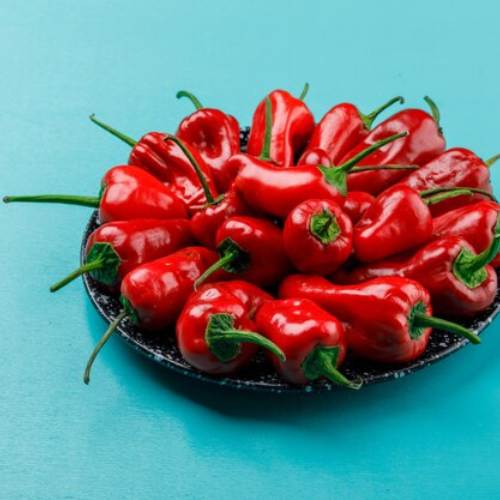
Mizo Chilli: Origin, Identity & Authentic Flavor
| Aspect | Details |
|---|---|
| Type | Horticultural / Spice Crop |
| Scientific Name | Capsicum frutescens |
| Common Names | Mizo Tei, Vaihmarchate, Bird’s Eye Chilli |
| Cultivation Areas | Aizawl, Kolasib, Champhai, and Lunglei districts |
| GI Registration | Mizo Chilli – Mizoram, India |
| Notable Features | Extremely hot, small-sized, organically cultivated |
| Scoville Heat Units (SHU) | 80,000 – 120,000 SHU |
Agricultural Heritage
The cultivation of Mizo Chilli is deeply tied to the state’s traditional jhum (shifting) cultivation system and community farming practices. Generations of Mizo farmers have perfected the art of growing this chilli organically — relying on natural compost, hill slope terraces, and rain-fed irrigation.
Cultivation and Farming Practices
| Step | Process | Details |
|---|---|---|
| 1️⃣ | Seed Preparation | Seeds are collected from the ripest pods and sown in organic nursery beds. |
| 2️⃣ | Transplanting | Seedlings are moved to hilly slopes or jhum lands at 4–6 weeks old. |
| 3️⃣ | Soil & Climate | Grows best in well-drained loamy soil with 20–30°C average temperature. |
| 4️⃣ | Pest Management | Neem and herbal sprays are used instead of chemical pesticides. |
| 5️⃣ | Harvesting | Mature red chillies are handpicked from August to October. |
| 6️⃣ | Drying | Chillies are sun-dried on bamboo trays to retain natural color and flavor. |
Agricultural and Nutritional Value
| Nutrient (per 100g) | Value |
|---|---|
| Energy | 282 kcal |
| Protein | 12.5 g |
| Carbohydrates | 56 g |
| Fiber | 25 g |
| Vitamin C | 144 mg |
| Iron | 13.5 mg |
| Capsaicin Content | 0.8–1.2% |
Mizo Chilli is a rich source of antioxidants and capsaicin — known for its metabolism-boosting and medicinal properties.
Manufacture and Export
The fiery aroma of Mizo Chilli travels far beyond Mizoram’s borders, supported by farmer cooperatives and government initiatives promoting organic spice exports.
| Aspect | Details |
|---|---|
| Processing Units | Small-scale drying and grading centers in Kolasib & Aizawl |
| Processing Steps | Cleaning → Grading → Drying → Grinding → Packaging |
| Export Destinations | Thailand, Bangladesh, UK, Japan, and Middle East |
| Export Form | Whole dried chilli, powder, flakes, and paste |
| Supporting Agencies | APEDA, Mizoram State Agriculture Department, NERAMAC |
These initiatives have positioned Mizo Chilli as a premium export-grade spice, admired for its natural cultivation and pungent quality.
Cultural and Culinary Importance
In Mizo cuisine, this chilli is not just a spice — it’s a way of life.
From “Bekang um” (fermented soybeans) to “Sawhchiar” (rice and meat porridge), Mizo Chilli adds its unmistakable heat and character. Locals also prepare “Zu Tei”, a traditional chilli paste served with nearly every meal.
Beyond its culinary uses, it is part of Mizo social and festive life — symbolizing warmth, hospitality, and self-reliance.
Major Producers and Cooperatives
| Name | Location | Specialty |
|---|---|---|
| Mizo Organic Farmers Society | Aizawl | Promotes organic chilli cultivation and marketing |
| Kolasib Spice Cluster | Kolasib District | Focuses on export-oriented chilli processing |
| NERAMAC-supported Units | Mizoram | Enhances packaging and export logistics |
| Local SHGs & Women Farmers’ Groups | Across Mizoram | Lead organic production and seed preservation |
Global Recognition
Mizo Chilli’s fame continues to spread as part of India’s growing GI spice exports. It is now featured in international food festivals and gourmet stores, valued for its intense yet balanced heat. Its inclusion in high-end spice blends and sauces marks Mizoram’s entry into the global culinary map.
Conclusion
From the misty hills of Mizoram to kitchens across the world, Mizo Chilli tells a story of tradition, resilience, and fiery flavor.
Each small pod carries the essence of the Northeast — organic purity, cultural depth, and the spirited heat of Mizo heritage. 🌶️