Metal Craft- Varanasi Repousse Craft: Timeless Artistry
Banaras (Varanasi) Metal Repoussé Craft is a traditional and highly refined art form, practiced for generations by artisans in Varanasi. (Varanasi) The craft is especially preserved by the Kasera community, who live in neighborhoods such as Kashipura, Nichi Bagh, and Ram Ghat in Varanasi. (The Times of India)
In 2016, Banaras Metal Repoussé Craft received a Geographical Indication (GI) certification, which helped formally recognize its origin, cultural value, and artisanal importance. (The Times of India)
Basic Overview
| Field | Details |
|---|---|
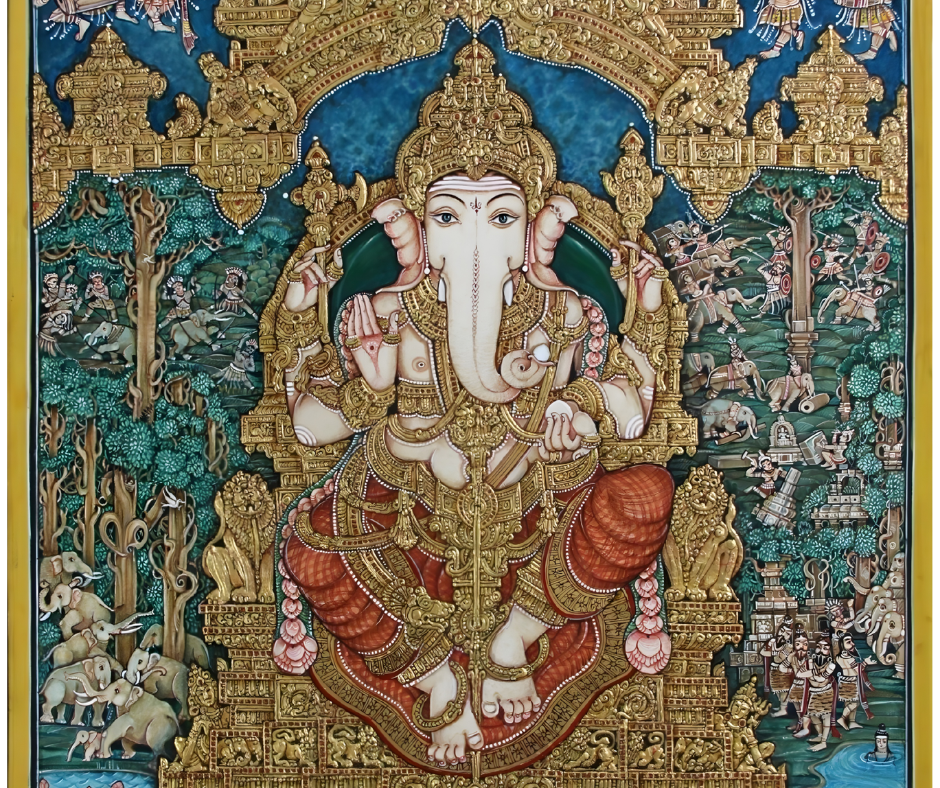
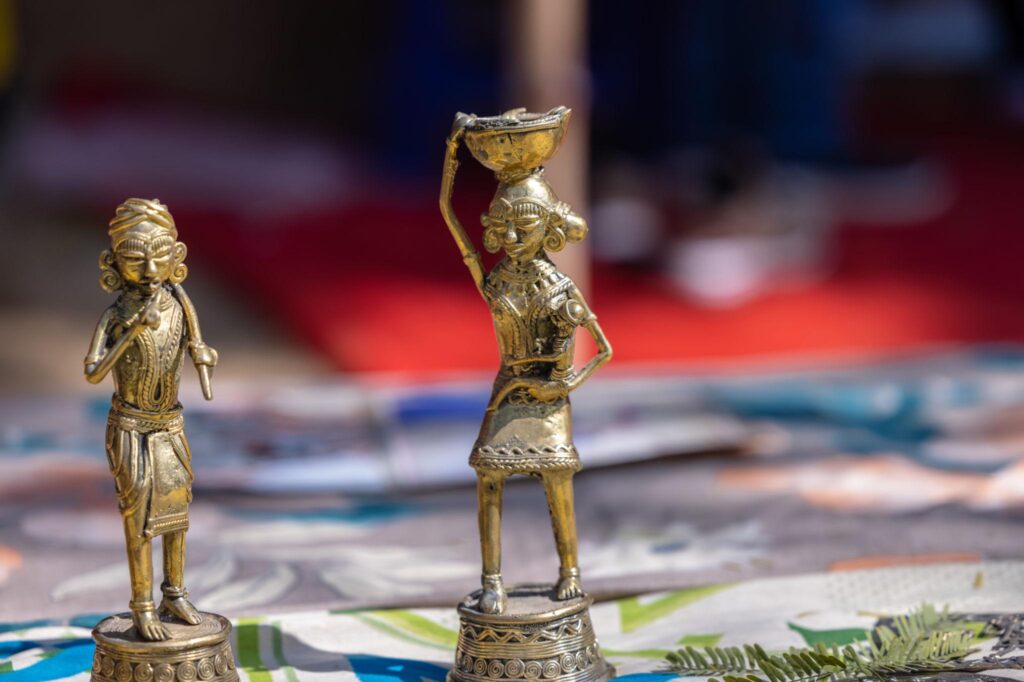
| Traditional Visual | Raised embossed relief, floral vines, temple motifs, mythological scenes |
| Alternative Names | Banaras Metal Embossing, Repoussé Metal Art, Kashi Brass Craft |
| Craft Type | Hand-Hammered Metal Relief Art |
| Area | Varanasi (Banaras) City |
| State | Uttar Pradesh |
| Country | India |
| GI Registration | Yes – Banaras Metal Repoussé (2016) |
| Raw Material | Brass, Copper, Occasionally Silver |
| Registered Logo | GI Tag Mark / Handicraft Seal |
Varanasi Repoussé – Origins & Cultural Legacy
Exceptional Craftsmanship & Artistic Features
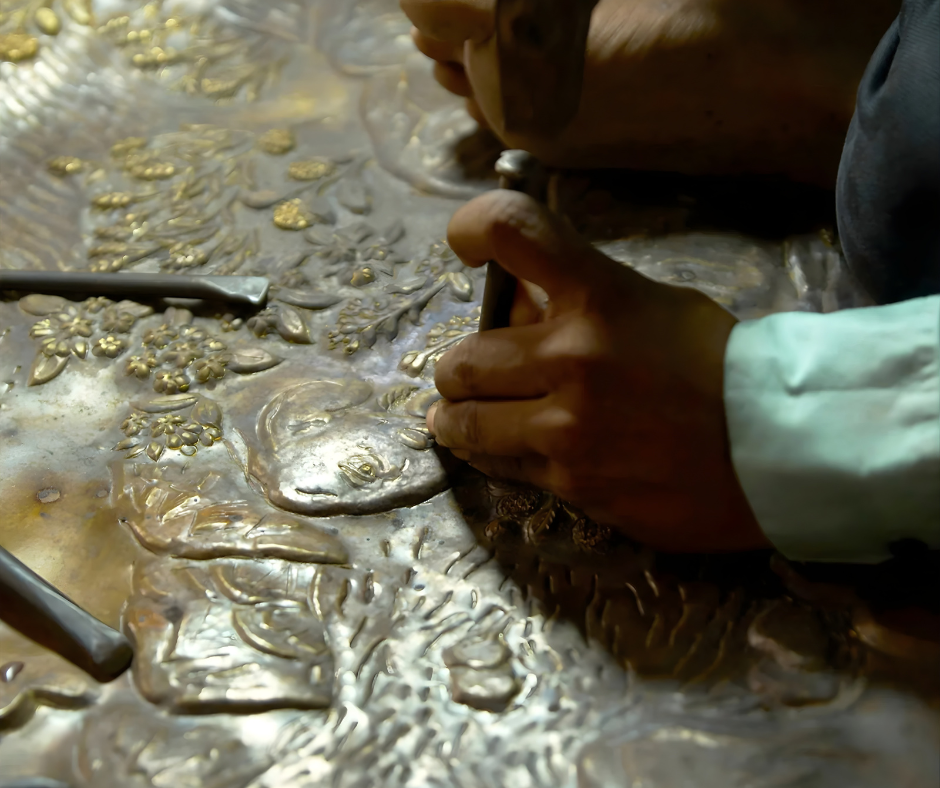
Reverse Hammer Technique
Artisans shape designs by hammering the backside of metal sheets.
Chasing & Detailing
Fine chisels refine the front surface to enhance depth.
Lac / Resin Back Support
Used to stabilize the sheet during intricate hammering.
Traditional Motifs
Ghats of Banaras, deities, floral vines, geometric borders.
High Polish Finish
Buffing and annealing give smooth reflective surfaces.
Decorative + Functional Use
From ritual objects to modern luxury décor pieces.
Generational Skill Transfer
Techniques preserved within artisan families.
Eco-Friendly Metal Reuse
Brass and copper are recyclable and sustainable.
Cultural & Economic Importance
Produces ritual artifacts, wall décor panels, trays, doors, and sculptures
Supports ~500 artisan families in Varanasi region
GI Tag recognition boosts export credibility and authenticity
Growing demand in luxury interior and heritage décor markets
Faces challenges like high raw material costs and limited credit access
Essential for preserving traditional hand-tool metal artistry
Manufacturer & Artisan Bodies / Key Players
| Brand / Organization | Location | Known For | Market Reach | Type |
|---|---|---|---|---|
| Tilfi | Varanasi | Designer brass wall panels, artistic décor pieces | Global | Private Luxury Brand |
| Banaras Metal Craft Development Society | Varanasi | GI craft support, artisan coordination, exhibitions | National | Community / Society |
| GI Heritage | Uttar Pradesh | Traditional brass décor, trays, lamps, frames | Domestic & Export | Heritage Craft Label |
| Gaatha Handicrafts | India | Handcrafted cultural gifts and home décor | International | Online Craft Platform |
| Peepul Tree | India | Contemporary Indian craft lifestyle products | Global | Design & Gift Brand |
Modern Revival & Innovation
Fusion of heritage motifs with contemporary interiors
Designer brands introducing minimalist and sculptural forms
Increased international shipping & luxury positioning
Shift from purely ritual items to functional art décor
Enhanced branding, packaging, and storytelling for global buyers
Conclusion
Varanasi Metal Repoussé Craft stands as a living testament to India’s hand-hammered metal heritage — where tradition meets innovation. With GI recognition and modern design adaptation, the craft continues to evolve beyond temple décor into global luxury interiors. Sustained institutional support, affordable raw materials, and youth skill transfer remain vital to ensure that this intricate and culturally significant art form thrives for generations to come.