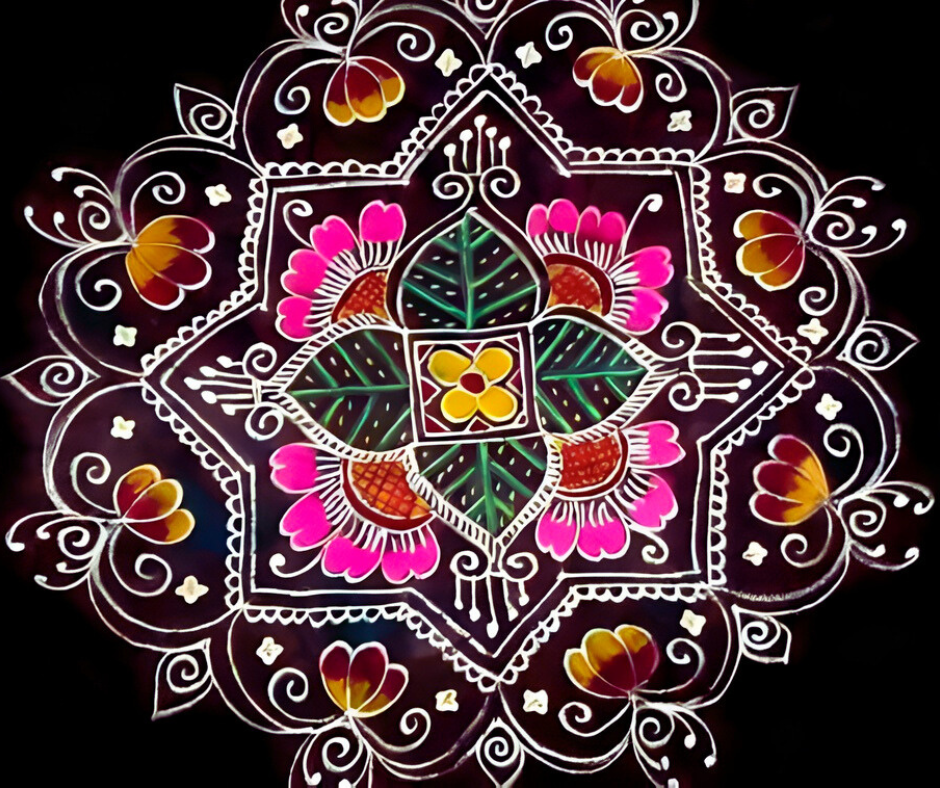
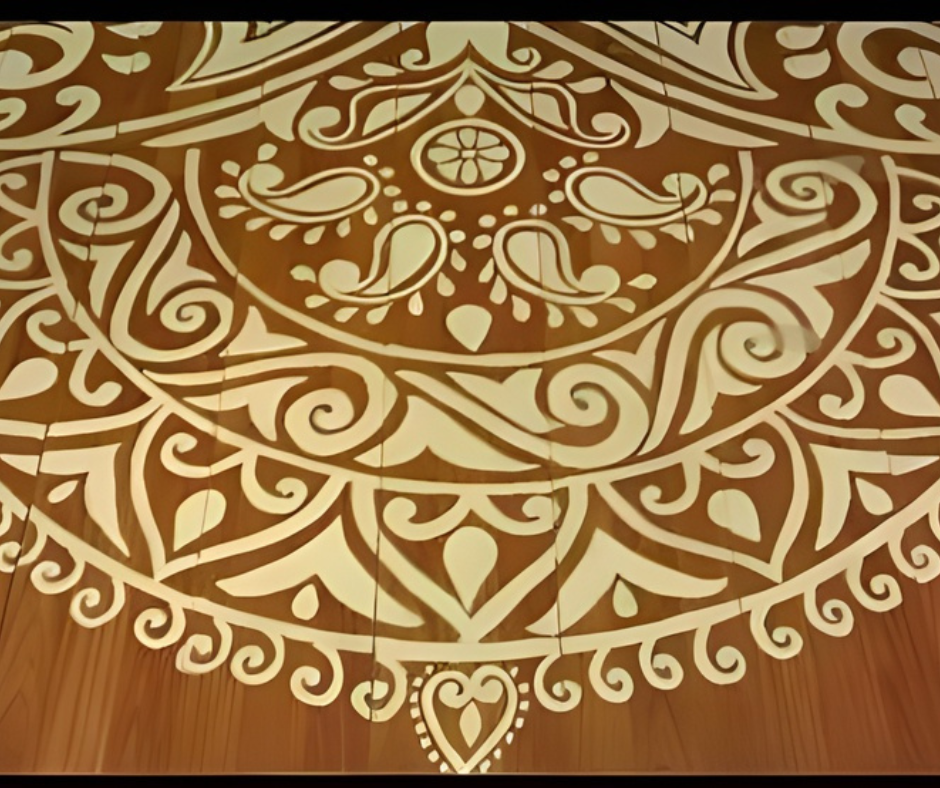
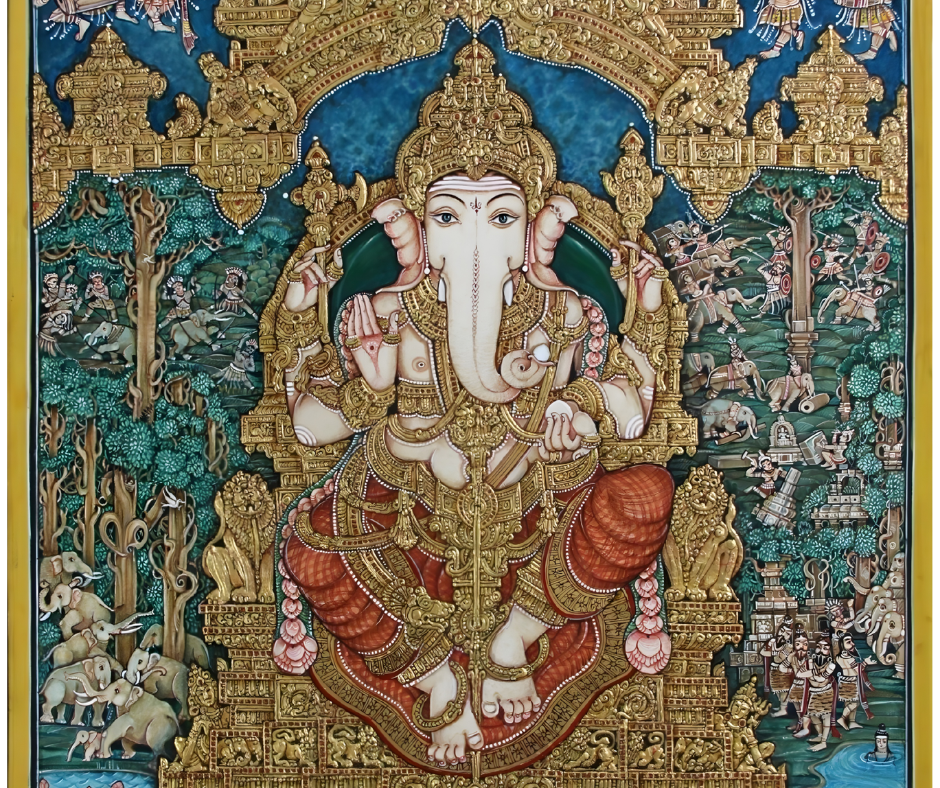
Madhubani Painting – Indian Folk Art
India, a land steeped in artistic traditions, showcases a vibrant tapestry of ethnic crafts, each narrating its own story of heritage, skill, and creativity. Among these, Madhubani painting shines as a stunning example of indigenous artistry. Also known as Mithila painting, it is celebrated globally for its intricate patterns, vivid colors, and deep-rooted cultural narratives.
Madhubani paintings are not mere decorations—they serve as visual chronicles of life, mythology, and nature, woven into the social and spiritual fabric of India. Common themes include Hindu deities such as Krishna, Rama, Lakshmi, Shiva, and Durga, alongside elements from nature like the sun, moon, flora, and fauna, each holding symbolic meaning. This art form is a living tradition, passed down through generations, embodying the collective memory and creative spirit of communities in Mithila.
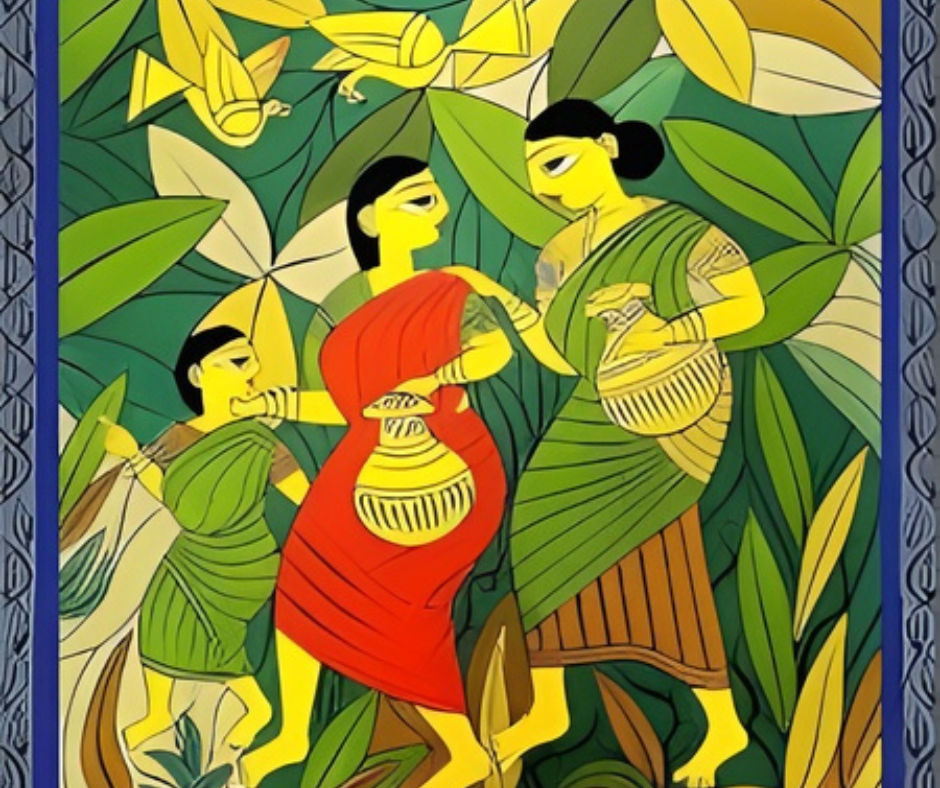
The History Behind Madhubani Art
The origins of Madhubani painting stretch back centuries, with its beginnings closely tied to ancient lore and oral traditions. Key points include:
Region of Origin: Mithila region of Bihar, India, and parts of Nepal, particularly the Madhubani district.
Historical Legend: King Janaka of Mithila is said to have commissioned artists to decorate his palace for the marriage of his daughter Sita to Lord Rama.
Early Practices: Traditionally, women painted walls of their homes for festivals, weddings, and ceremonies. These murals, made with natural pigments, adorned sacred spaces like the kohbar ghar (nuptial chamber) symbolizing fertility and prosperity.
Evolution: In the mid-20th century, Madhubani paintings transitioned from walls to paper and canvas, enabling wider recognition and international appreciation.
This evolution transformed a localized folk tradition into a globally celebrated ethnic craft, preserving its cultural essence while adapting to contemporary markets.
Traditional Making Process
Madhubani painting’s making process reflects the ingenuity of its artisans, relying on natural materials and meticulous techniques:
Materials Used
Canvas: Originally mud walls; today, handmade paper, cloth, and canvas boards.
Brushes: Twigs wrapped in cotton, bamboo pens, fingers, or modern fine brushes.
Colors (all natural):
Black: Soot mixed with cow dung
Yellow: Turmeric or pollen mixed with milk or fig tree sap
Blue: Indigo
Green: Wood apple tree leaves or other local plants
Red: Kusum flower juice or red sandalwood
White: Rice powder mixed with water
Binder: Gum arabic to ensure color durability.
Step-by-Step Process
Canvas Preparation: Paper or cloth may be treated with a thin cow dung wash for texture and color absorption.
Outline Drawing: Central figures and motifs are outlined freehand, typically using black or dark colors.
Filling with Color: Flat, vibrant natural colors are applied without shading.
Detailing and Patterns:
Bharni: Filled color designs
Kachni: Line art
Godna: Tattoo-like patterns
Tantric: Symbolic designs inspired by tantra
Every empty space is adorned, including borders with geometric or floral motifs.
Double Line Border: Often used to highlight main figures.
Note: Creating a Madhubani painting may take days, weeks, or months, depending on size and intricacy.
Global Appeal and Recognition
Madhubani painting has captivated audiences worldwide due to:
Unique Aesthetic: Bold lines, vivid colors, and intricate patterns.
Narrative Depth: Stories rooted in mythology, folklore, and daily life.
Handcrafted Authenticity: Ethically sourced and handmade, appealing to global art collectors.
Cultural Exchange: Serves as a bridge for international understanding of Indian traditions.
Export Value: Widely exported to countries like USA, UK, Germany, France, and Japan, extending to products like apparel, accessories, home décor, and stationery.
Brand Spotlight: Iteeha
Though largely artisan-driven, certain organizations promote Madhubani painting on global platforms. Iteeha is a notable example:
Overview: Social enterprise dedicated to preserving Indian folk arts (Madhubani, Warli, Kalamkari).
Founder: Shivani Aggarwal
Year Established: 2014
Global Reach: Participates in national and international craft fairs, collaborates with designers and retail platforms.
Business Model: Works directly with artisans, enabling sustainable livelihoods while making traditional art globally accessible.
Annual Turnover & Export Data: Not publicly disclosed, but strong international presence indicates significant market reach.
Iteeha demonstrates how modern ethical enterprises can sustain traditional crafts and connect artisans with global consumers.
Conclusion
Madhubani painting represents India’s enduring artistic legacy. Its intricate designs, bright colors, and rich narratives embody the culture of the Mithila region, transcending local boundaries to earn global recognition. From village walls to international exhibitions, Madhubani art:
Empowers artisans economically
Preserves cultural heritage
Enriches global artistic landscapes
It remains a timeless cultural treasure, showcasing the unmatched creativity and craftsmanship of Indian artisans and embodying the essence of “Proudly Made in India.”