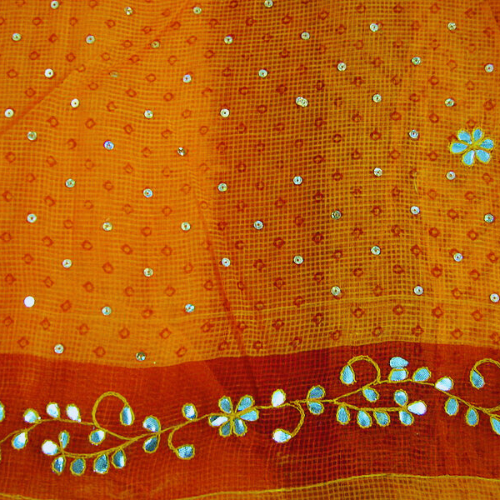
Soft, airy, and regal — Kota Doria (also known as Kota Doriya) is one of India’s most elegant handwoven fabrics. Originating from the historic city of Kota in Rajasthan, this fabric stands out for its lightweight texture, translucent finish, and distinctive checkered pattern known as khats. Blending cotton and silk, Kota Doria represents the perfect fusion of tradition, craftsmanship, and comfort.
Attribute:- Details Type: Handwoven fabric Material: Cotton and silk blend Origin: Kota, Rajasthan, India Weaving Technique: Traditional pit loom weaving GI Registration: Registered as Kota Doria (Geographical Indication)
History & Origin
The art of Kota Doria weaving dates back to the 17th century, when skilled weavers from Mysore were invited to Rajasthan by Rao Kishore Singh, a general in the Mughal army. These weavers brought their expertise in fine cotton weaving, which merged with local Rajasthani techniques to create the fabric now celebrated as Kota Doria. Over time, this delicate weave earned royal admiration from the Maharanas of Kota and became a symbol of the region’s textile artistry. Today, the town of Kaithoon, near Kota, remains the primary weaving center, preserving this centuries-old legacy.
Unique Features
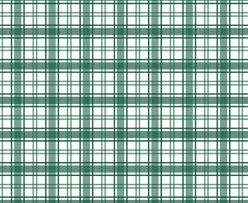
Signature Check Pattern (Khats)
Square-shaped grids that give the fabric its signature texture.
Lightweight & Airy
Ideal for the Indian climate — especially in summers.
Cotton-Silk Fusion
Cotton adds strength and structure, while silk provides natural sheen and softness.
Natural Dyeing
Traditionally dyed in subtle shades of cream, beige, pastels, and indigo using eco-friendly methods.
Durable & Breathable
Despite its delicate look, the fabric is known for strength and longevity.
Manufacturing Process
Step
Process
Description
1️⃣
Yarn Preparation
Fine cotton and silk threads are starched and dried for stiffness and uniformity.
2️⃣
Warping
Threads are arranged meticulously on the loom in a checkered layout.
3️⃣
Weaving
Skilled artisans hand-weave the fabric on traditional pit looms, forming the khats.
4️⃣
Finishing
The fabric is washed, sun-dried, and lightly starched with rice water for texture retention.
Applications
Traditional Wear: Sarees, dupattas, stoles, and lehengas.
Contemporary Fashion: Dresses, shirts, and scarves for sustainable fashion brands.
Home Furnishings: Lightweight curtains, cushion covers, and table linens.
Manufacture & Export
The main production hubs of Kota Doria are Kota, Kaithoon, and Bundi in Rajasthan. Thousands of local weavers — especially women artisans — are engaged in this craft, supported by cooperative societies and handloom clusters.
Kota Doria enjoys strong export demand in countries such as Japan, France, the USA, and the Middle East, where its eco-friendly production and breathable texture appeal to global consumers. Government bodies like the Rajasthan Handloom Development Corporation (RHDC) and DC Handlooms actively promote this fabric in international markets.
Cultural & Economic Significance
Beyond its beauty, Kota Doria symbolizes the resilience of Indian handloom artisans. Each piece carries the legacy of generations of weavers, weaving not just threads but stories of skill, patience, and pride. Its graceful drape and timeless appeal have made Kota Doria a favorite among both traditional wearers and modern designers, ensuring that this royal weave continues to thrive across global fashion landscapes.