Kauna Grass Handicrafts: From Wetland Weaving to Eco-Friendly Global Craft
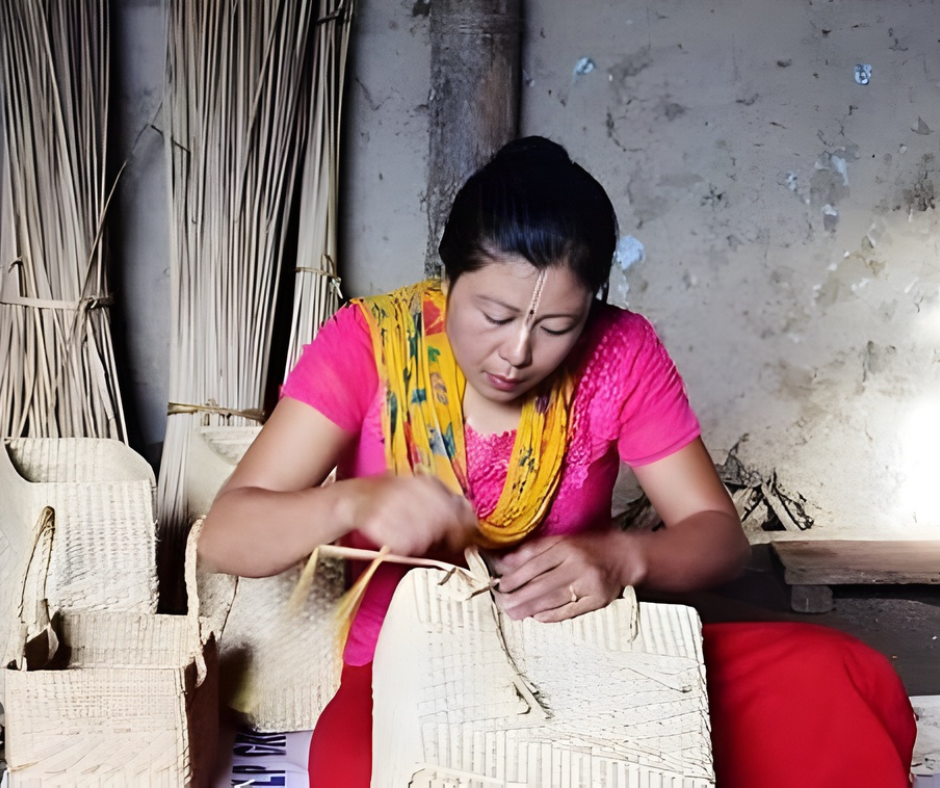
Kauna Grass Handicrafts, originating from the northeastern Indian state of Manipur, represent a unique blend of nature, culture, and sustainable artistry. Traditionally woven by skilled rural artisans, especially women, kauna products were first created for everyday household use such as mats and cushions. Over time, this humble wetland reed transformed into a globally admired eco-friendly handicraft known for its durability, natural texture, and earthy elegance.
Basic Overview
| Field | Details |
|---|---|
| Craft Name | Kauna Grass Handicrafts |
| Origin State | Manipur, India |
| Raw Material | Kauna (Water Reed Grass) |
| Traditional Use | Mats, Cushions, Floor Seating |
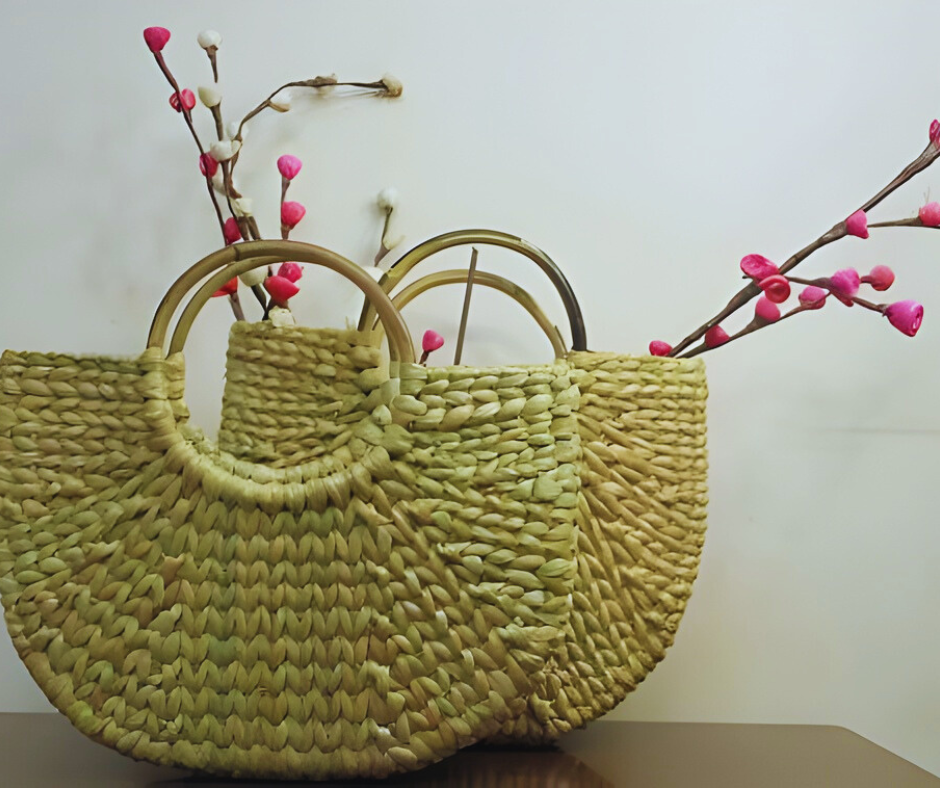
| Modern Products | Baskets, Bags, Planters, Storage Boxes |
| Artisan Community | Mainly Women Weavers |
| Industry Type | Eco-Friendly Handicrafts |
| Market Reach | Domestic & International |
| Specialty | Biodegradable & Sustainable Craft |
| Cultural Value | Ceremonial & Household Utility |
Kauna Grass – Tracing Its Origins & Craft Evolution
Kauna grass grows naturally in the marshy wetlands of the Imphal Valley. For centuries, local communities harvested and sun-dried this tall reed before weaving it into floor mats known as Phak. These mats were essential in Manipuri homes for sitting, sleeping, and social gatherings.
As lifestyle and market preferences evolved, artisans expanded beyond traditional mats into decorative and lifestyle products. Today, kauna weaving includes handbags, laundry baskets, trays, and home décor items that appeal to eco-conscious urban buyers while preserving traditional techniques.
Growth & Craft Expansion
Traditional Phase:
Primarily mats and cushions for household comfort and ceremonies.
Modern Adaptation:
Introduction of fashion accessories, designer baskets, and export-oriented décor.
Government & NGO Support:
Training programs, exhibitions, and craft fairs improved visibility.
Global Recognition:
Eco-friendly positioning increased demand in Europe, Japan, and urban Indian markets.
Women Empowerment:
Provides stable income and financial independence to rural women artisans.
Key Features & Craft Strengths
Natural Sustainability
100% biodegradable and renewable wetland grass.
Handwoven Authenticity
Each piece reflects manual skill and cultural identity.
Lightweight yet Durable
Strong weaving makes products long-lasting.
Eco-Conscious Appeal
Plastic-free alternative for modern households.
Cultural Heritage
Deeply connected to Manipuri traditions and rituals.
Versatile Product Range
From utility mats to premium lifestyle décor.
Affordable Craft Luxury
Natural elegance at accessible prices.
Women-Led Industry
Strengthens rural livelihoods and social empowerment.
Market Presence & Craft Identity
Strong presence in Indian handicraft exhibitions and export fairs.
Popular among eco-friendly and minimalist lifestyle consumers.
Recognized for earth-tone textures and organic weaving patterns.
Positioned as a sustainable décor and utility craft rather than luxury plastic alternatives.
Increasing visibility through online handicraft platforms and boutique stores.
Kauna Grass Craft – Artisan & Production Ecosystem
| Cluster / Brand | Founded | Promoter | Business Type | Market Reach | Ownership | Origin |
|---|---|---|---|---|---|---|
| Biswa Bangla (Kauna Products Division) | 2013 | Govt. of West Bengal | Handicrafts Retail & Promotion | Domestic & Export | Government Undertaking | India |
| Dastkari Haat Samiti (Kauna Craft Support) | 1981 | Jaya Jaitly | Artisan Support & Craft Marketing | International | NGO / Trust | India |
| Manipuri Women Weavers SHGs | 1990s+ | Local Self-Help Groups | Rural Handicraft Production | Domestic & Limited Export | Cooperative / Community | Manipur, India |
Conclusion
Kauna Grass Handicrafts – Sustainable Weaving & Cultural Elegance showcase how a simple wetland reed evolved into a symbol of eco-friendly living and artisan resilience. From traditional floor mats to contemporary lifestyle accessories, kauna craft beautifully bridges heritage, sustainability, and modern design. Rooted in Manipur’s wetlands and woven by skilled hands, it continues to provide livelihoods, preserve cultural identity, and promote environmentally responsible craftsmanship for future generations.