Kalighat Painting – Traditional Bengal Folk Art
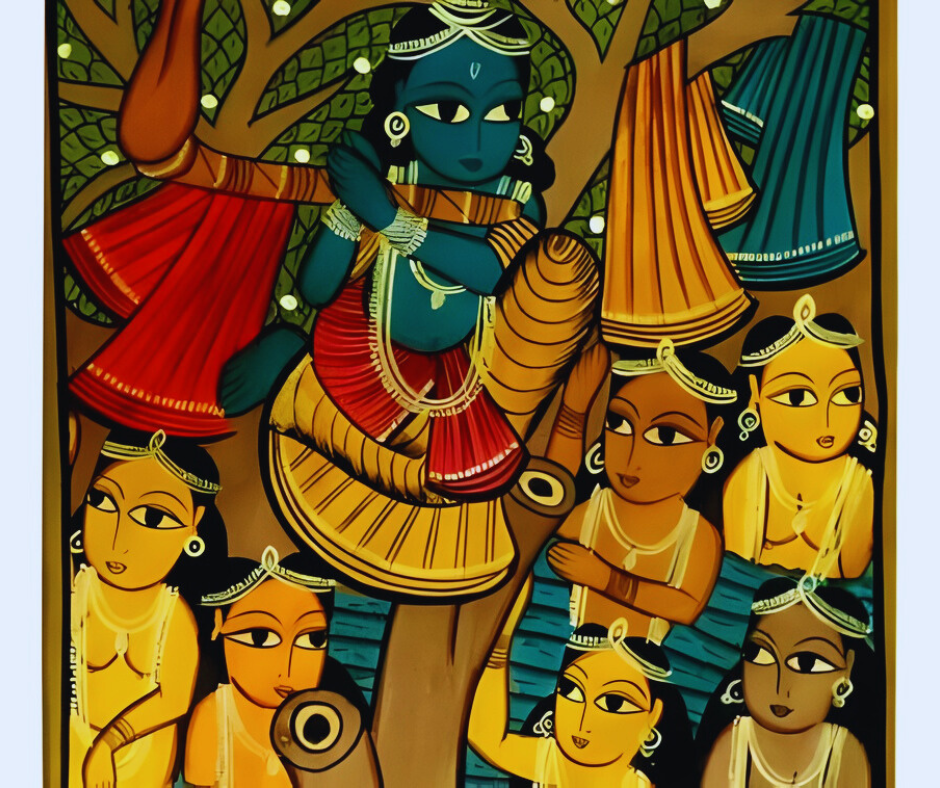
Kalighat Painting is a 19th-century Indian folk art that developed around the Kalighat temple area of Kolkata in West Bengal. Recognized for sweeping brush lines, expressive figures, and bright watercolor tones, this style was practiced by Patua artists who created affordable devotional pictures for pilgrims. Over time, the visual language expanded beyond religion to include scenes of daily life and gentle social satire, giving the art both cultural and narrative depth.
What began as quick temple souvenirs gradually transformed into framed artworks, canvas décor, textile prints, and contemporary design adaptations. Its uncluttered backgrounds, dramatic poses, and handcrafted charm continue to attract collectors and interior designers across India and abroad.
Basic Overview of Kalighat Painting
| Field | Details |
|---|---|
| Name | Kalighat Painting |
| Origin Region | Kolkata, West Bengal |
| Period | 19th Century |
| Art Category | Folk & Devotional Art |
| Colors | Bright Watercolors with Dark Outlines |
| Materials | Paper, Natural & Synthetic Pigments |
| Motifs | Deities, Everyday Life, Satire |
| Technique | Freehand Brushwork |
| Common Uses | Wall Décor, Collectibles, Souvenirs |
| Market | India & International |
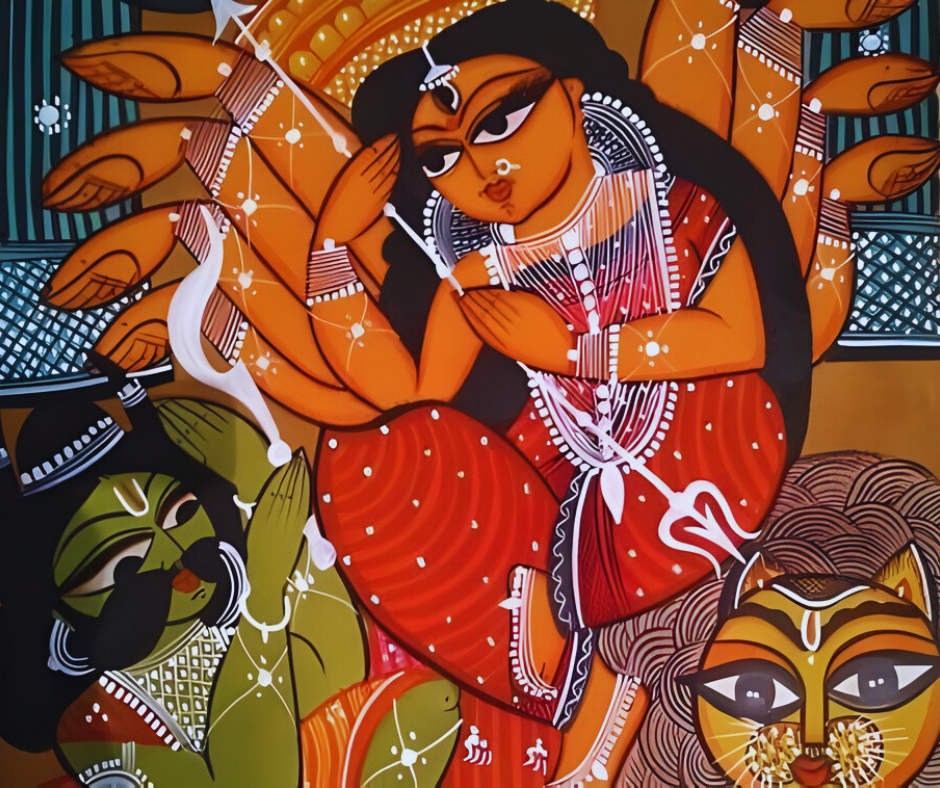
Origins & Craft Evolution of Kalighat Folk Art
This tradition emerged when rural scroll painters migrated to the growing city of Kolkata and adapted their storytelling skills into single-sheet paintings suited for urban buyers. Artists used mill-made paper and quick-drying watercolors to produce striking images of gods, goddesses, and contemporary society. Techniques and themes were passed down within families, preserving stylistic continuity without formal manuals.
With modernization and renewed interest in Indian heritage décor, the same flowing lines and bold silhouettes began appearing in gallery collections, fashion prints, posters, and digital illustrations while still retaining their distinctive identity.
Growth & Global Recognition of Bengal Art Style
Early 1800s: Devotional pictures sold near temple precincts
Mid-19th Century: Wider urban acceptance and collector interest
Late 20th Century: Museum preservation and academic study
Modern Era: Revival through exhibitions and design collaborations
Global Reach: Presence in international galleries and private collections
Kalighat Painting – Traditional Bengal Folk Art
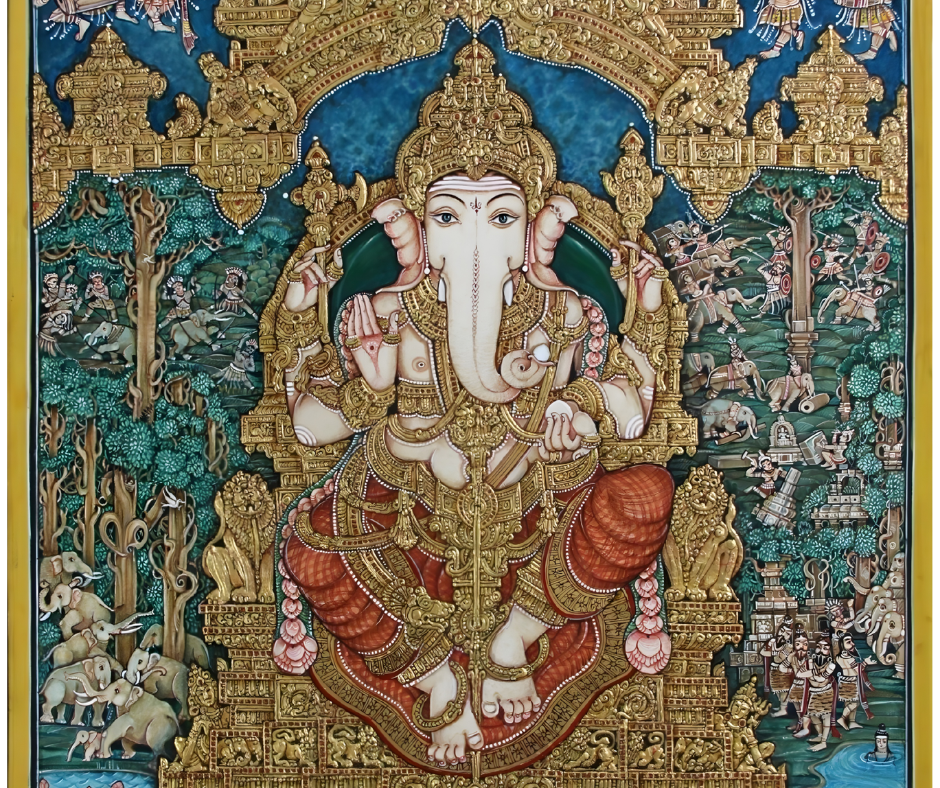
Spiritual Narratives in Bengal Folk Art
Frequent portrayals of Hindu deities and mythological stories.
Expressive Human Figures in Traditional Paintings
Large almond-shaped eyes, curved stances, and theatrical gestures.
Bold Outline Style of Kalighat Art
Strong, fluid contours that clearly define forms.
Minimal Background Approach in Folk Paintings
Plain or lightly shaded settings that emphasize the subject.
Social Commentary in Indian Folk Illustrations
Humorous depictions of fashion, manners, and urban culture.
Vibrant Color Palette of Bengal Artwork
Reds, yellows, blues, and greens used for immediate visual appeal.
Handcrafted Authenticity of Patua Artwork
Freehand execution ensures each artwork remains unique.
Market Presence of Indian Folk Paintings
Displayed in art galleries and heritage museums
Favored by collectors of traditional Indian art
Adapted into home décor, stationery, and fashion prints
Growing visibility on online handmade marketplaces
Supported by cultural preservation initiatives and craft fairs
Artisan Clusters & Organizations
| Name | Founded | Promoter | Business Type | Reach | Ownership | Origin |
|---|---|---|---|---|---|---|
| West Bengal Handicrafts Dev. Corp. | 1950s | Govt. of West Bengal | Craft Promotion | Domestic & Export | Government | India |
| Dastkar | 1981 | Artisan NGO | Craft Exhibitions | International | Non-Profit | India |
| Banglanatak | 2000s | Cultural Trust | Folk Art Promotion | International | Trust | India |
| Gaatha Handicrafts | 2011 | Private Entrepreneurs | Online Craft Retail | International | Private | India |
| Traditional Patua Families | Traditional | Local Communities | Folk Painting | Domestic | Community | India |
Conclusion – Cultural Legacy of Bengal Folk Painting
This Bengal folk tradition shows how a simple devotional practice evolved into a globally appreciated visual style. Its flowing lines, emotional storytelling, and blend of sacred and everyday themes keep it relevant in modern décor and design. By balancing heritage with contemporary creativity, this art form continues to stand as a vibrant symbol of India’s artistic continuity and cultural richness.