Kalamkari Story Scroll Art – Narrative Textile Tradition of Andhra Pradesh
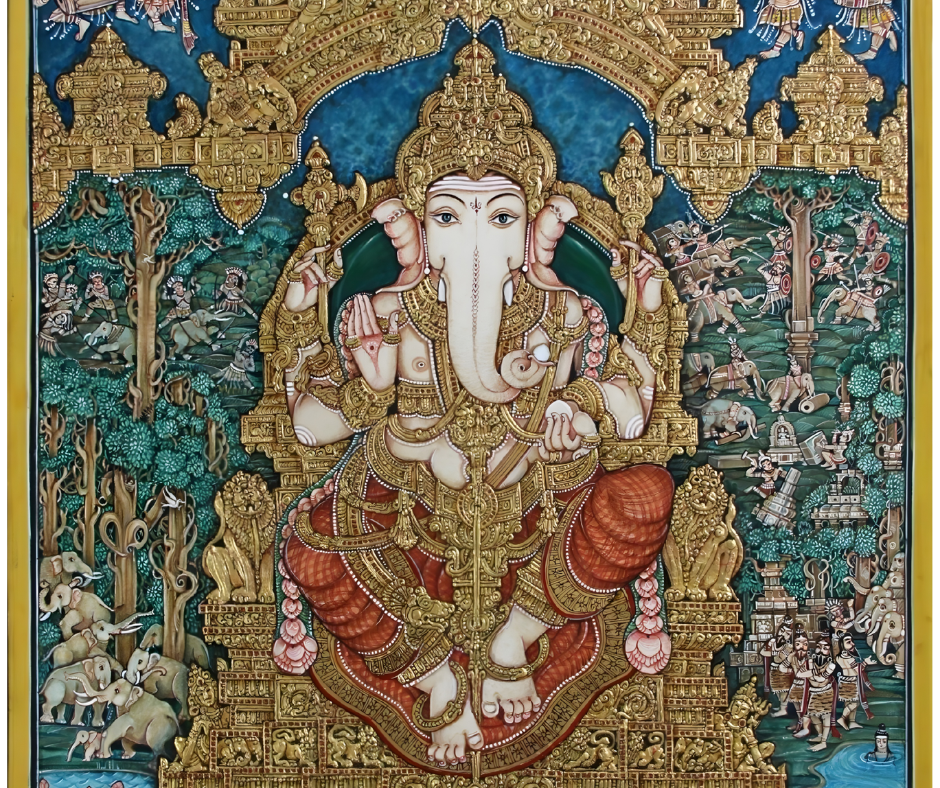
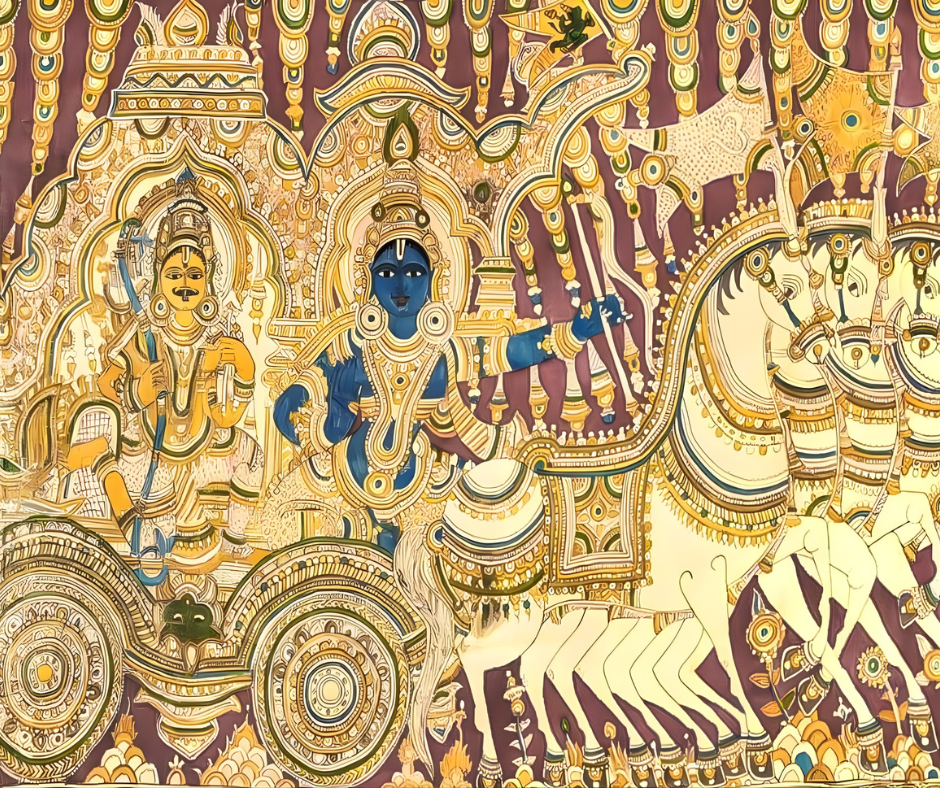
Kalamkari Story Scroll Art is one of India’s most refined and spiritually rich narrative textile traditions, originating in the temple towns and coastal craft centers of Andhra Pradesh. Deeply rooted in oral storytelling and temple rituals, this art form was historically used by artist-storytellers to visually narrate episodes from Hindu epics, Puranas, and sacred legends. Characterized by hand-drawn imagery, flowing narrative panels, and natural earth-based colors, Kalamkari Story Scroll Art represents a timeless legacy of Indian visual storytelling.
Basic Overview
| Field | Details |
|---|---|
| Traditional Visual | Long narrative scrolls depicting mythological and sacred storytelling scenes |
| Alternative Names | Kalamkari Scroll Art, Narrative Kalamkari |
| Craft Type | Traditional Hand-Painted Narrative Textile Art |
| Artisan Community | Kalamkari Chitrakar & Temple Artisan Families |
| Area | Srikalahasti, Machilipatnam |
| Country | India |
| Primary Themes | Ramayana, Mahabharata, Vishnu Purana, Shaiva & Vaishnava legends |
| Painting Surface | Hand-prepared cotton fabric |
| Tools Used | Bamboo pen (kalam), wooden blocks |
| Colors & Pigments | Natural vegetable, mineral & iron-based dyes |
| Cultural Status | Temple storytelling & narrative heritage |
| GI Status | Srikalahasti Kalamkari (April 2005)Machilipatnam Kalamkari (April 2008) |
Kalamkari Story Scroll Art – Origins & Cultural Legacy
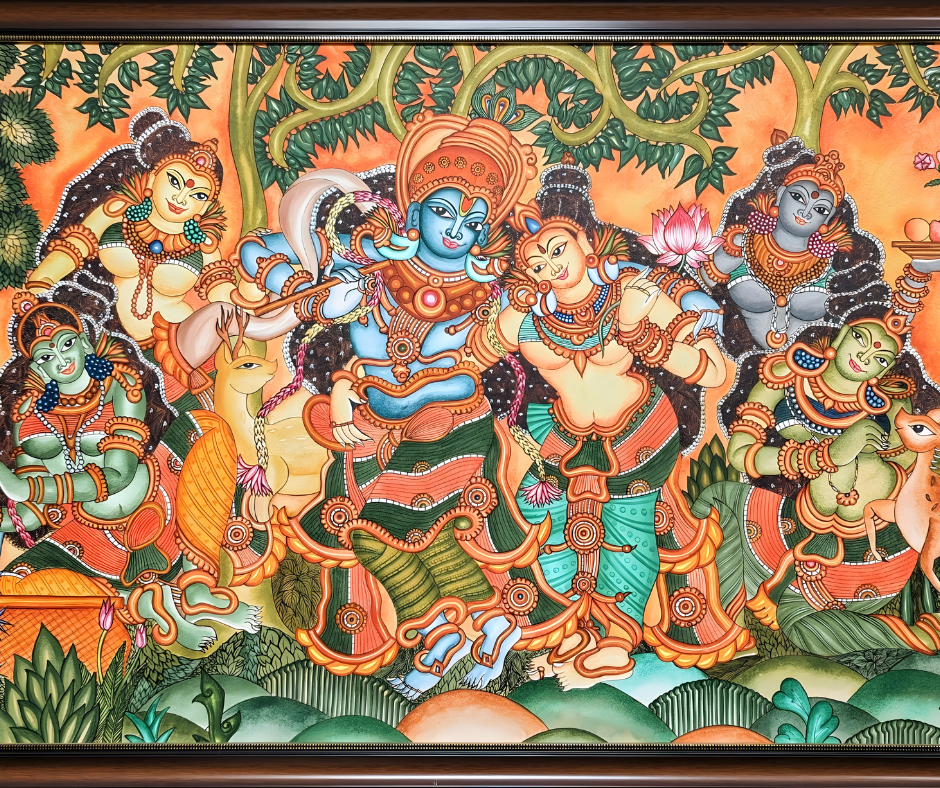
Kalamkari Story Scroll Art evolved as a sacred narrative tradition closely associated with temple rituals and devotional storytelling. In temple towns like Srikalahasti, artists created long painted scrolls that were gradually unrolled as priests or storytellers narrated divine episodes to devotees.
These scrolls functioned as visual scriptures, especially in times when literacy was limited. A notable example of this tradition is the Kalamkari painting of Lord Vishnu reclining on the cosmic serpent Ananta, a powerful symbol of cosmic balance and creation. Such historic works are today preserved in institutions like the British Museum, underscoring Kalamkari’s global cultural significance.
Symbolism & Iconography
Kalamkari Story Scroll Art employs a deeply symbolic visual language rooted in Hindu philosophy and temple iconography:
Deities & Avatars – Cosmic order, dharma, divine intervention
Sages & Mythical Figures – Wisdom, devotion, moral guidance
Serpents, Animals & Motifs – Protection, continuity, energy
Floral Borders & Frames – Scene separation and narrative rhythm
Traditional Materials & Technique
The creation of a Kalamkari story scroll involves an elaborate multi-stage process using eco-friendly materials:
Fabric Preparation – Cotton cloth treated with milk and myrobalan
Drawing – Freehand illustration using a bamboo kalam
Dyeing – Natural dyes extracted from plants, roots, iron, and minerals
Fixing Colors – Repeated washing, boiling, and sun-drying
This slow, methodical process ensures durability, depth of color, and artistic precision.
Ritual & Social Importance
Kalamkari Story Scrolls held deep ritual and educational value and were traditionally created for:
Temple rituals and religious discourse
Mythological storytelling performances
Spiritual instruction of local communities
Preservation of oral traditions through visual art
Contemporary Adaptations
Today, Kalamkari Story Scroll Art has evolved beyond ritual use. Modern artisans and designers reinterpret traditional narratives into:
Wall hangings and framed artworks
Museum-grade collectible pieces
Home décor and heritage interiors
Cultural exhibitions and archives
Despite these adaptations, authentic Kalamkari continues to follow traditional methods and storytelling grammar.
Manufacturer & Top Brands
| Cluster / Institution | Founded | Promoter | Art Type | Market Reach | Ownership | Origin |
|---|---|---|---|---|---|---|
| Traditional Kalamkari Artisan Families | Ancient | Hereditary Artisans | Narrative Scroll Painting | Local / Regional | Community-based | Andhra Pradesh |
| Srikalahasti Kalamkari Cluster | Traditional | Temple Artisan Communities | Hand-Painted Kalamkari | National | Community | Andhra Pradesh |
| Machilipatnam Kalamkari Cluster | Traditional | Block Printing Artisans | Printed & Narrative Kalamkari | Export | Community | Andhra Pradesh |
| State Handicrafts Corporations | 1970s–80s | Govt. Bodies | Craft Promotion | National / Global | Government | India |
| Craft NGOs & Cultural Trusts | 1990s | NGOs | Skill Preservation | Global | Non-Profit | India |
Conclusion
Kalamkari Story Scroll Art is more than a textile tradition—it is a living visual scripture that preserves India’s mythological, spiritual, and artistic heritage. Through hand-drawn narratives, natural dyes, and sacred symbolism, these scrolls continue to keep ancient stories alive on fabric. In a modern world of mass production, Kalamkari stands as a symbol of patience, devotion, and cultural continuity, proudly representing India’s storytelling legacy on the global stage.