Gadwal Saree Weaving Journey: From Royal Textile Tradition to Handloom Recognition
Gadwal Saree Weaving, originating from the historic town of Gadwal in present-day Telangana, began under royal patronage where fine textiles were woven for local rulers and temple rituals. Skilled weavers combined lightweight cotton with luxurious silk borders, creating sarees that were both comfortable and grand. Over centuries, this regional textile evolved from a royal garment into a nationally admired handloom craft, symbolizing elegance, tradition, and artisan excellence across India.
Basic Overview
| Field | Details |
|---|---|
| Craft Name | Gadwal Saree Weaving |
| Origin / Established | 18th Century (Approx.) |
| Region | Gadwal, Telangana |
| Origin Country | India |
| Main Material | Cotton Body with Silk Border & Zari |
| Craft Type | Handloom Textile |
| Design Identity | Temple Borders, Floral & Traditional Motifs |
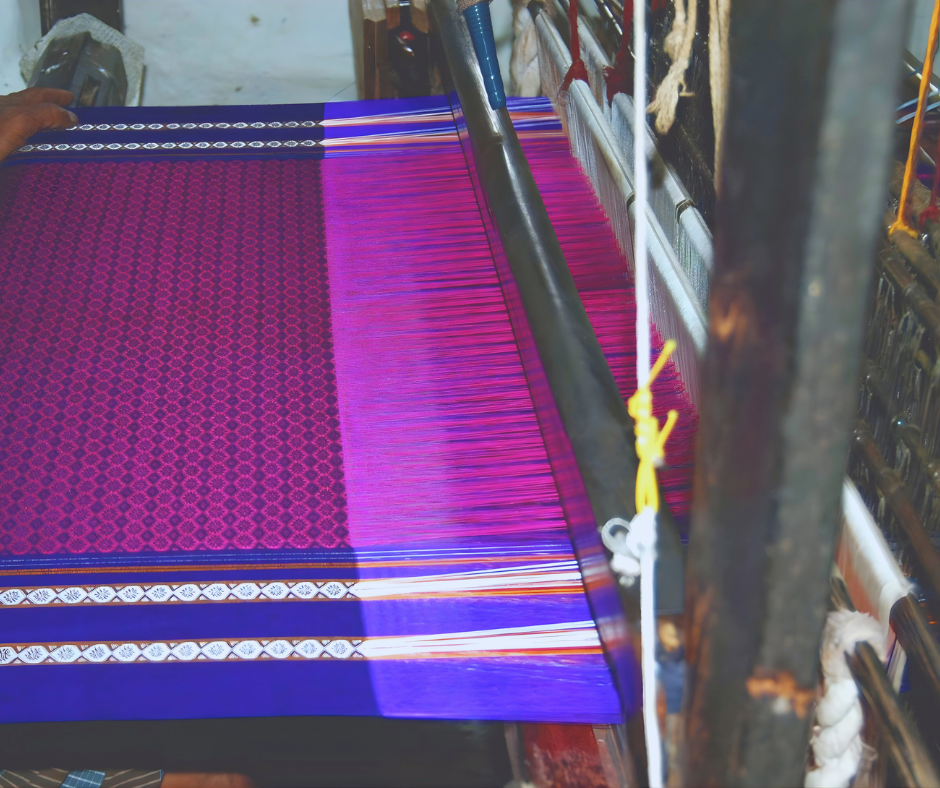
| Production Method | Handwoven on Pit Looms |
| Cultural Use | Weddings, Festivals, Ceremonies |
| Market Presence | Domestic & Export |
| Artisan Base | Local Weaving Families & Cooperatives |
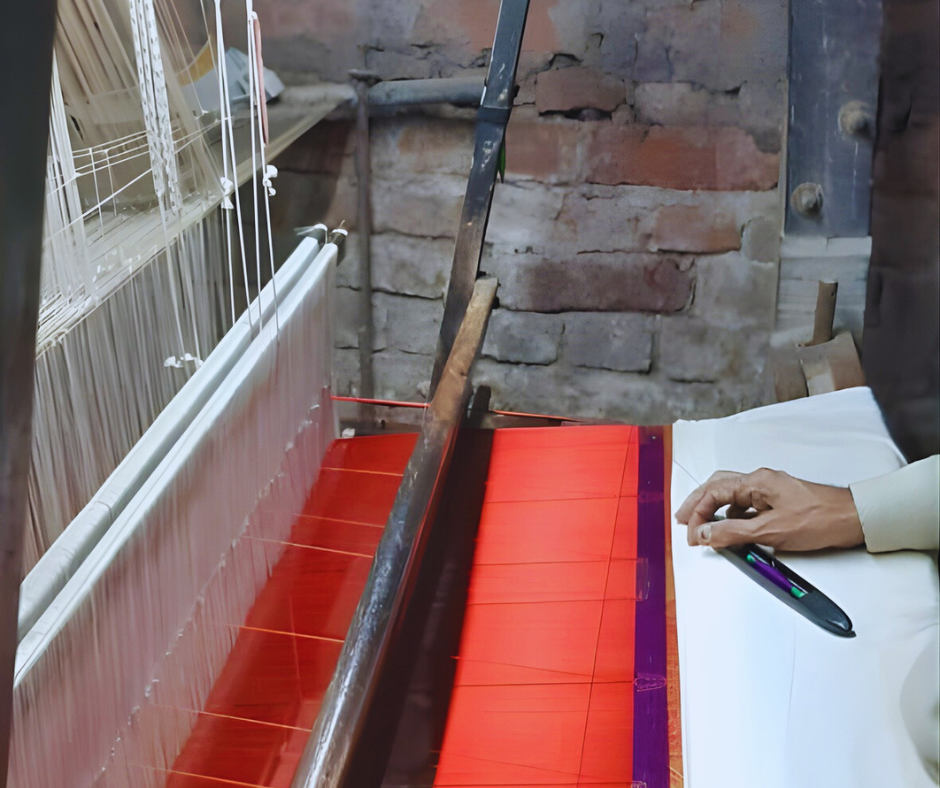
Gadwal Saree Weaving – Tracing Its Origins & Craft Evolution
Gadwal sarees were traditionally woven within household clusters where families specialized in spinning, dyeing, and weaving. The defining technique known as Kupadam (interlocking weft) allowed artisans to weave the cotton body and silk pallu separately and then join them seamlessly. This precision method gave Gadwal sarees their signature contrast borders and durability.
With time, improved dyeing techniques, finer silk yarns, and contemporary color palettes enhanced their appeal without compromising authenticity. Even today, most Gadwal sarees remain handwoven, preserving the originality and exclusivity of each piece.
Growth & Craft Promotion
Support from Telangana handloom departments and artisan cooperatives
Expansion into urban boutiques and online ethnic fashion platforms
Rising demand in bridal wear and festive fashion markets
Recognition as a heritage handloom textile of Telangana
Sustainable and eco-friendly handmade production practices
Key Features & Craft Strengths
Heritage Value
Centuries-old royal weaving tradition.
Lightweight Comfort
Cotton body ensures easy drape and breathability.
Rich Silk Borders
Luxurious contrast pallu and zari work.
Handcrafted Exclusivity
Each saree is individually woven.
Cultural Significance
Preferred attire for weddings and rituals.
Durability
Strong weaving technique ensures longevity.
Eco-Friendly Craft
Minimal machine involvement and natural fibers.
Fashion Versatility
Suitable for both traditional and modern styling.
Top Brands – Gadwal Sarees
| Cluster / Brand | Founded | Promoter | Business Type | Market Reach | Ownership | Origin |
|---|---|---|---|---|---|---|
| Telangana State Handloom Weavers Cooperative Society (TSCO) | 1955 | Govt. of Telangana | Handloom Promotion & Retail | Domestic & Export | Govt. | India |
| Gadwal Handloom Cooperative Societies | 20th Century | Local Weavers | Saree Manufacturing & Retail | National | Cooperative | India |
| Pochampally & Gadwal Emporiums | 1970s+ | State Supported | Textile Retail | Domestic | Semi-Govt | India |
| Online Ethnic Fashion Stores (Amazon / Flipkart Sellers) | 2000s+ | Private Sellers | E-commerce Retail | National | Private | India |
| Local Gadwal Artisan Brands | Traditional | Weaving Families | Handmade Saree Production | Domestic | Community Based | India |
Conclusion
Gadwal Saree Weaving – Timeless Telangana Handloom Legacy represents the graceful journey of a royal textile transforming into a celebrated symbol of Indian heritage. Blending cotton comfort with silk grandeur, these sarees continue to preserve artisan livelihoods while showcasing centuries-old weaving mastery. Today, Gadwal sarees stand as a perfect fusion of tradition, craftsmanship, and contemporary elegance admired by both cultural connoisseurs and modern fashion lovers.