Chanderi Silk Cotton Weaving Journey: From Royal Looms to Modern Fashion Recognition
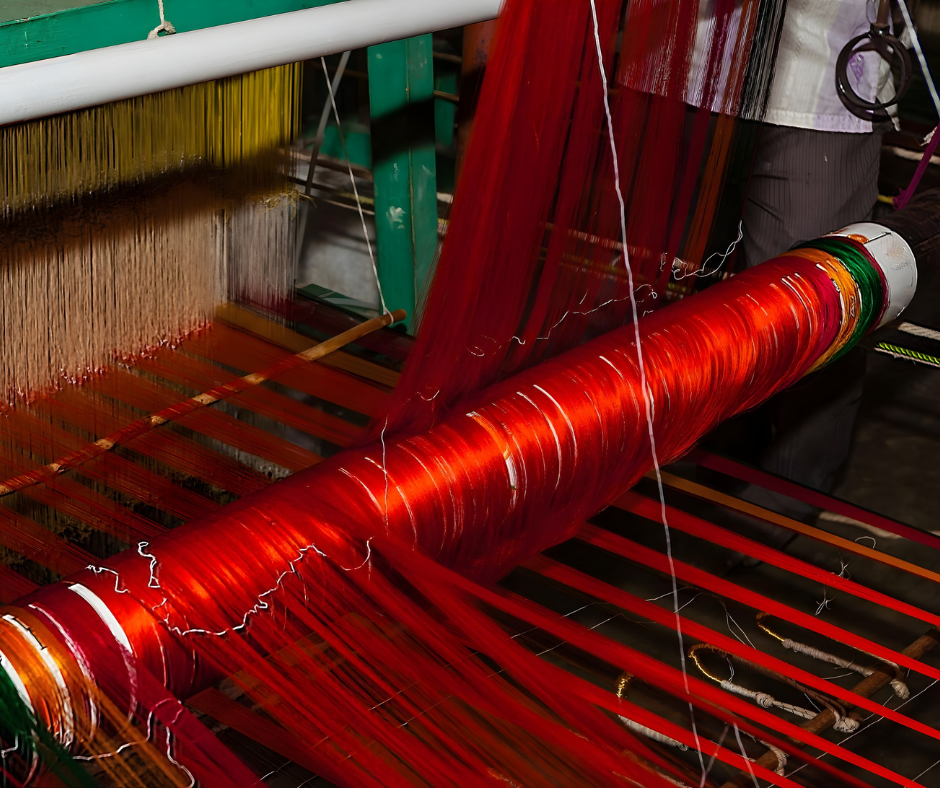
Chanderi Silk Cotton Weaving, rooted in the historic town of Chanderi in Madhya Pradesh, began centuries ago as a premium textile craft patronized by kings and royal courts. The fabric was originally woven using fine cotton yarns, later blended with silk to create a lightweight yet glossy material admired for ceremonial garments and elite clothing.
During the medieval period, Chanderi textiles gained recognition across trade routes for their sheer texture and intricate motifs such as florals, coins (butis), and peacocks. With time, artisans refined techniques using handlooms and zari borders, transforming Chanderi into a symbol of grace and tradition. In modern India, government cooperatives, designer brands, and online platforms have helped this heritage weave reach national and global markets.
Basic Overview
| Field | Details |
|---|---|
| Craft Name | Chanderi Silk Cotton Weaving |
| Origin Town | Chanderi, Madhya Pradesh |
| Country | India |
| Fabric Blend | Silk & Cotton Yarn |
| Traditional Use | Sarees, Dupattas, Dress Materials |
| Key Features | Lightweight, Sheer Texture, Natural Shine |
| Motifs | Floral, Peacock, Geometric, Coin (Buti) |
| Industry Type | Handloom Textile Craft |
| Market Presence | Domestic & International |
| Support Bodies | Handloom Cooperatives & Govt. Clusters |
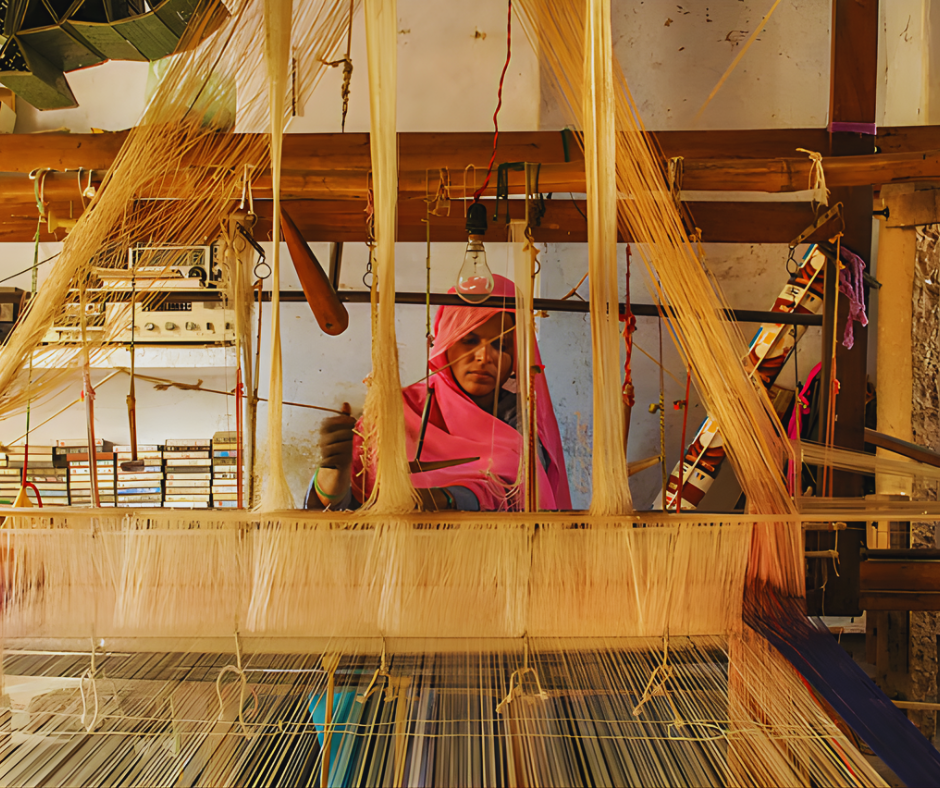
Chanderi – Tracing Its Origins & Craft Evolution
Chanderi weaving began as a household craft practiced by local artisan families who passed their skills from one generation to another. The town’s strategic position on historical trade routes allowed the fabric to travel far beyond central India, building a reputation for elegance and finesse.
As fashion trends evolved, weavers introduced silk blends, pastel shades, and zari borders to meet changing consumer preferences. The introduction of organized handloom clusters and state emporiums in the late 20th century further strengthened production and visibility. Today, Chanderi stands as both a cultural symbol and a contemporary fashion fabric.
Growth & Craft Expansion
Medieval Era: Royal patronage increased demand for fine cotton muslins and silk blends.
1970s+: Government-supported handloom clusters organized artisan communities.
2000s: Entry of designer labels and e-commerce platforms expanded reach.
Present Day: Sustainable fashion and handmade revival boosted global interest.
Key Features & Craft Strengths
Heritage Value
Centuries-old weaving tradition preserved by artisan families.
Lightweight Elegance
Fabric is airy, soft, and comfortable for long wear.
Distinct Motifs
Traditional butis, florals, and nature-inspired designs.
Handloom Authenticity
Each piece is woven manually, ensuring uniqueness.
Versatile Usage
Suitable for festive, bridal, and everyday ethnic wear.
Sustainable Craft
Eco-friendly weaving practices and natural fibers.
Cultural Identity
Represents Madhya Pradesh’s textile legacy.
Market Presence & Craft Identity
Popular across India for weddings and festivals.
Exported to global boutiques and designer stores.
Recognized for sheer fabric texture and zari borders.
Positioned as a premium yet breathable ethnic textile.
Supported by government emporiums and private brands.
Chanderi Silk Cotton – Manufacturer & Brand Companies
| Cluster / Brand | Founded | Promoter | Business Type | Market Reach | Ownership | Origin |
|---|---|---|---|---|---|---|
| Chanderi Handloom Cluster | 1970s+ | Govt. of Madhya Pradesh | Handloom Weaving & Production | Domestic & Export | Government / Cooperative | India |
| Mrignayani Emporium | 1978 | MP State Handloom Corp. | Textile Retail & Promotion | Domestic & International | State Govt. | India |
| Fabindia | 1960 | John Bissell | Ethnic Wear Retail | Global | Private | India |
| Taneira (Tata) | 2017 | Tata Group | Saree & Textile Retail | Domestic & International | Corporate | India |
Conclusion
Chanderi Silk Cotton Weaving – Timeless Handloom Elegance reflects how a centuries-old royal textile transformed into a modern fashion essential. Blending silk richness with cotton comfort, Chanderi continues to symbolize Indian craftsmanship, cultural pride, and sustainable artistry. Through artisan dedication and contemporary support systems, this delicate weave remains a living heritage admired across generations and borders.