Looking to buy an original Banarasi saree but unsure how to identify authentic craftsmanship? Whether you’re a bride, fashion enthusiast, boutique owner, retailer, or international buyer, choosing the right Banarasi saree can be confusing. With countless machine-made imitations in the market, recognizing genuine handwoven artistry is more important than ever.
This guide explains everything you need to know-from different Banarasi saree types and weaving techniques to authenticity tips, pricing, and how to connect with trusted Indian manufacturers.
Table of Contents
Banarasi Saree: Quick Facts
Origin
Varanasi, India
Craft
Handwoven
Time
15 Days to 6 Months
Silk Type
Pure Mulberry Silk
| Feature | Details |
|---|---|
| GI Tag | Yes — “Banaras Brocades and Sarees” (Registered in 2009) |
| Famous For | Handwoven silk brocade with intricate woven zari patterns |
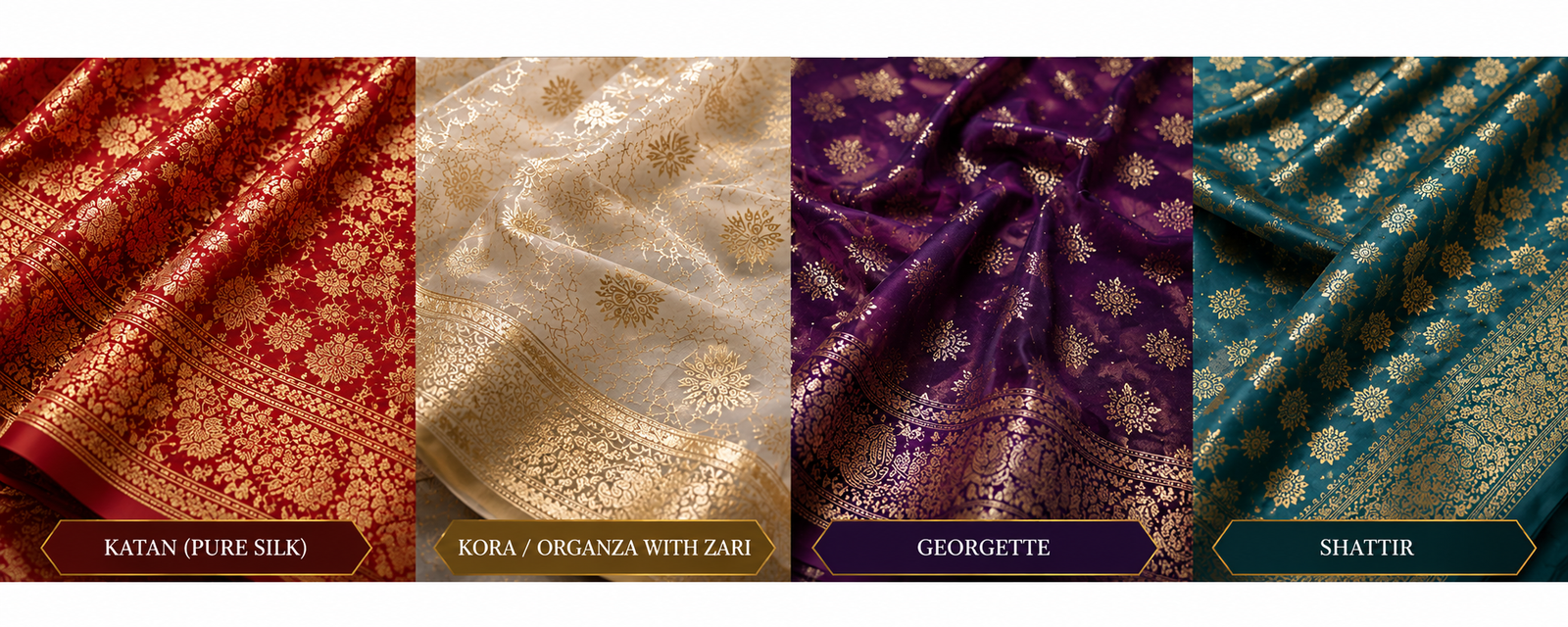
| Material | Pure Silk (Katan), Kora (Organza), Georgette, and Metallic Zari |
| Signature Motifs | Kalga (Paisley), Bel (Vine), Butis, and Jhallar Borders |
| Best For | Weddings, Festivals, Bridal Wear, Heirloom Collections, and Luxury Occasions |
| Authenticity Markers | GI Label, Silk Mark, and Handloom Certification |
A Heritage Woven Over Centuries: History of Banarsi Saree
Varanasi—historically known as Banaras or Kashi—has been renowned for its exceptional silk weaving for centuries. References to the city’s fine textiles appear in ancient Indian literature, reflecting its long-standing reputation as one of India’s most respected weaving centres.
The Banarasi saree as we know it today evolved during the medieval period, when Persian and Mughal artistic influences blended with India’s traditional weaving expertise. Intricate floral vines, paisleys, and elegant motifs became defining features, transforming Banarasi sarees into timeless masterpieces of textile craftsmanship.
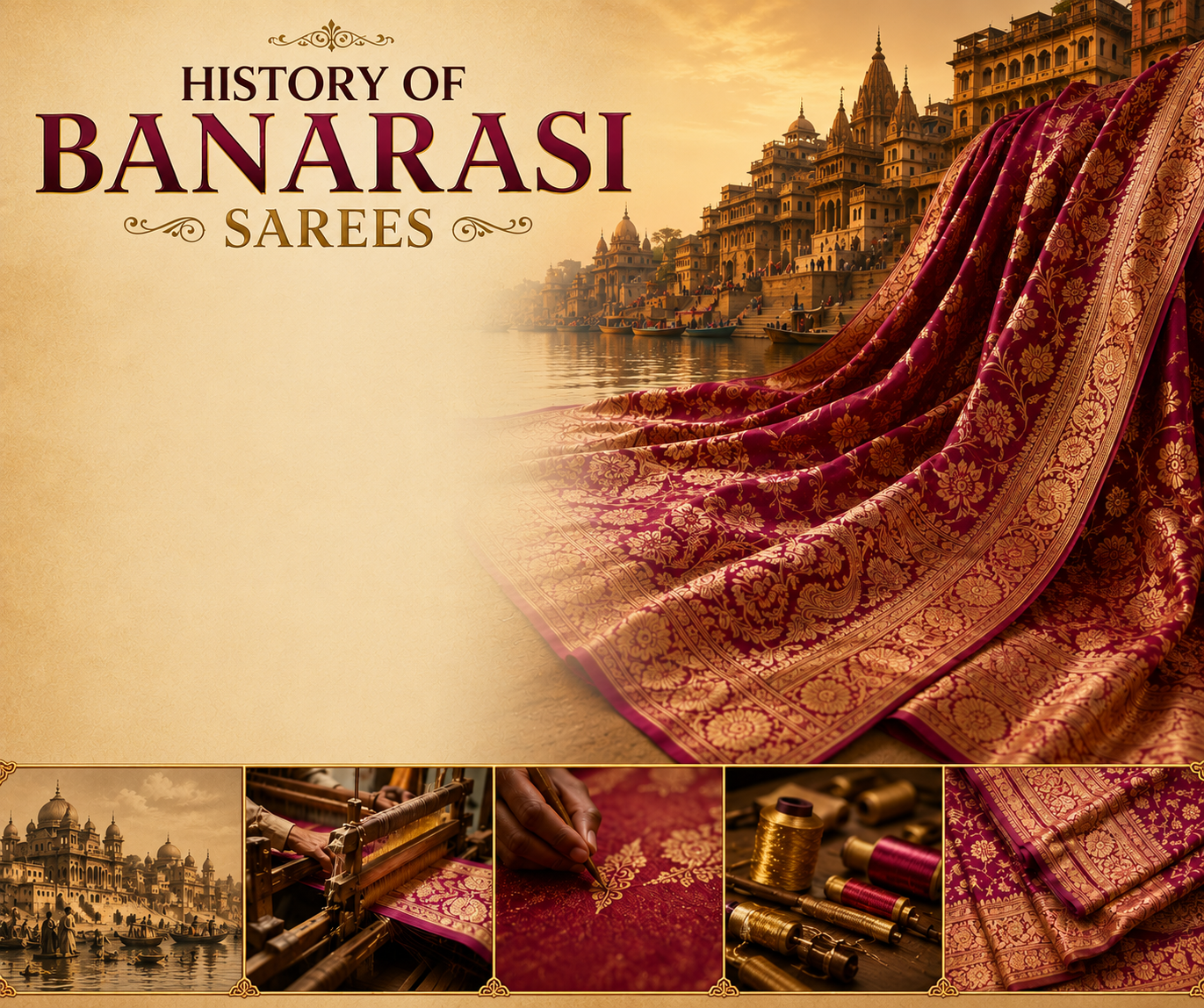
What makes an authentic Banarasi saree truly special is its blend of Indian silk, artistic heritage, and generations of skilled craftsmanship. Even today, many weavers (karigars) continue this family tradition, preserving techniques that have been passed down for centuries. Every authentic Banarasi saree reflects a living legacy of Indian handloom excellence.
How a Banarasi Saree Is Made
Understanding the making process is the single best way to appreciate—and evaluate—a Banarasi saree.
1. Design preparation. A designer (naqshaband) plots the pattern on graph paper, which is then translated for the loom—historically through punched cards that lift specific warp threads in sequence.
2. Yarn preparation and dyeing. Silk yarn is sorted, dyed, and wound into a warp of thousands of threads running many metres—a laborious task in itself.
3. Weaving. The weaver passes the weft through the warp, introducing zari wherever the design calls for brocade. On intricate pieces, progress can be as slow as a few centimetres a day.
4. Finishing. Off the loom, the saree is checked and finished. The reverse side keeps the honest evidence of handwork—floats and slight irregularities no machine produces. Each stage involves different specialists—dyers, warpers, designers, weavers, finishers—which is why the craft sustains an entire ecosystem in the region.
Popular Types of Banarasi Sarees
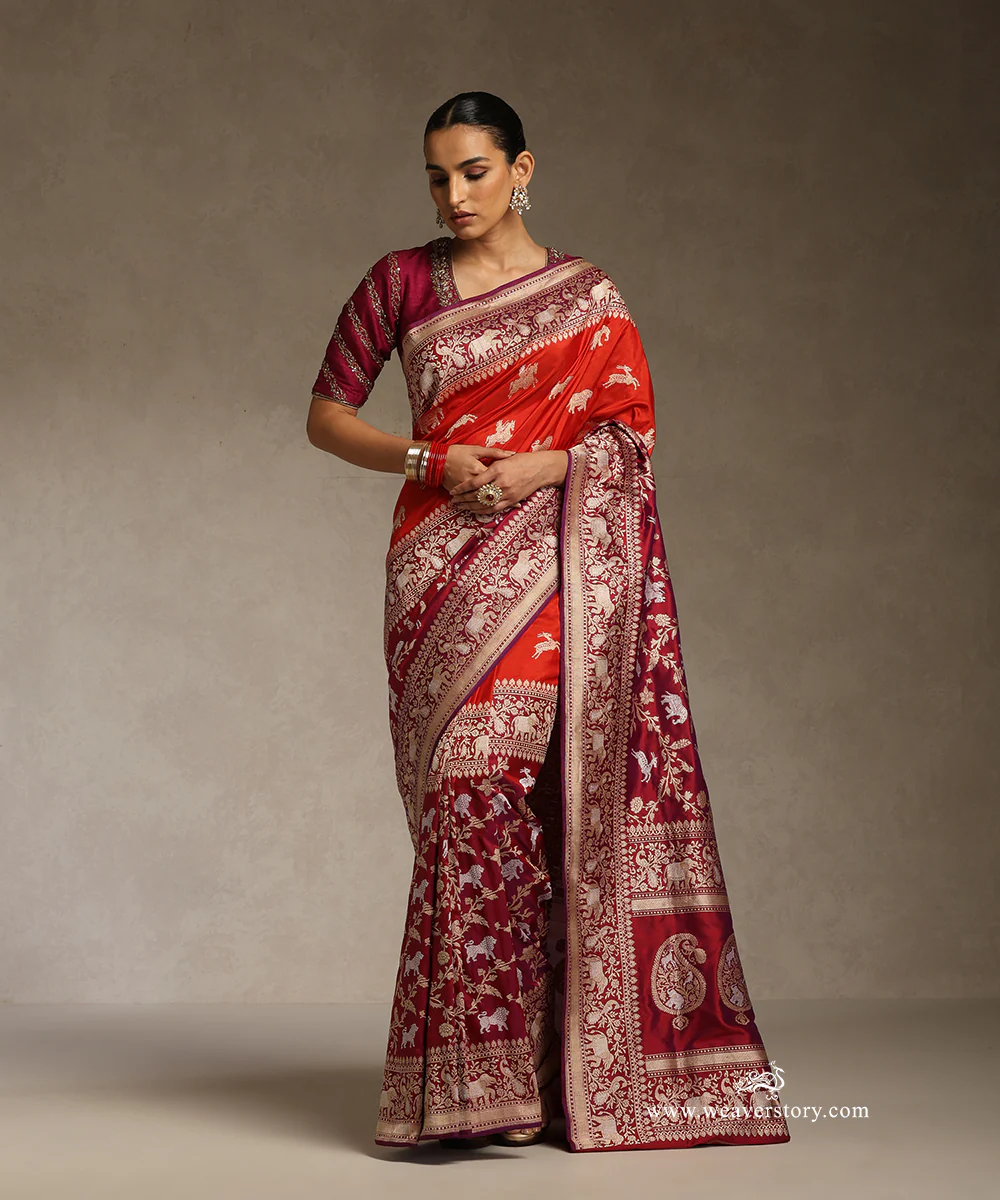
Katan Silk Banarasi Saree
Known for its pure silk texture and luxurious finish, Katan silk is one of the most premium Banarasi saree varieties.
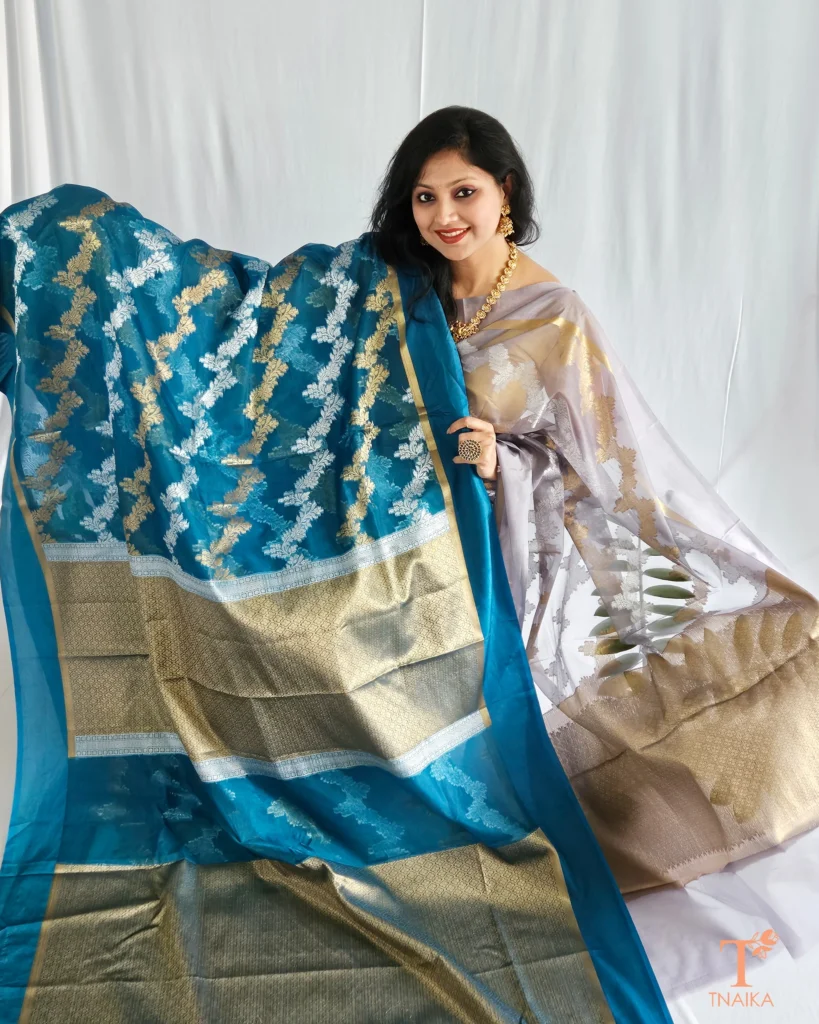
Organza (Kora) Banarasi Saree
Lightweight yet elegant, Organza Banarasi sarees feature intricate zari weaving and are popular for festive wear.
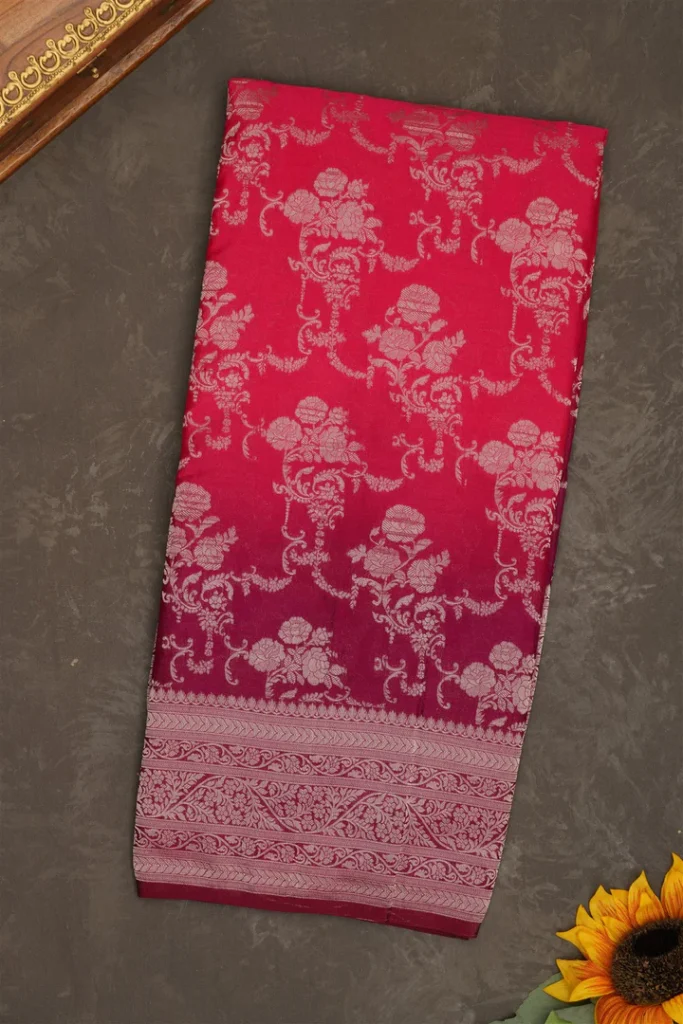
Georgette Banarasi Saree
Soft, lightweight and easy to drape, these sarees offer a perfect blend of traditional craftsmanship and modern comfort.
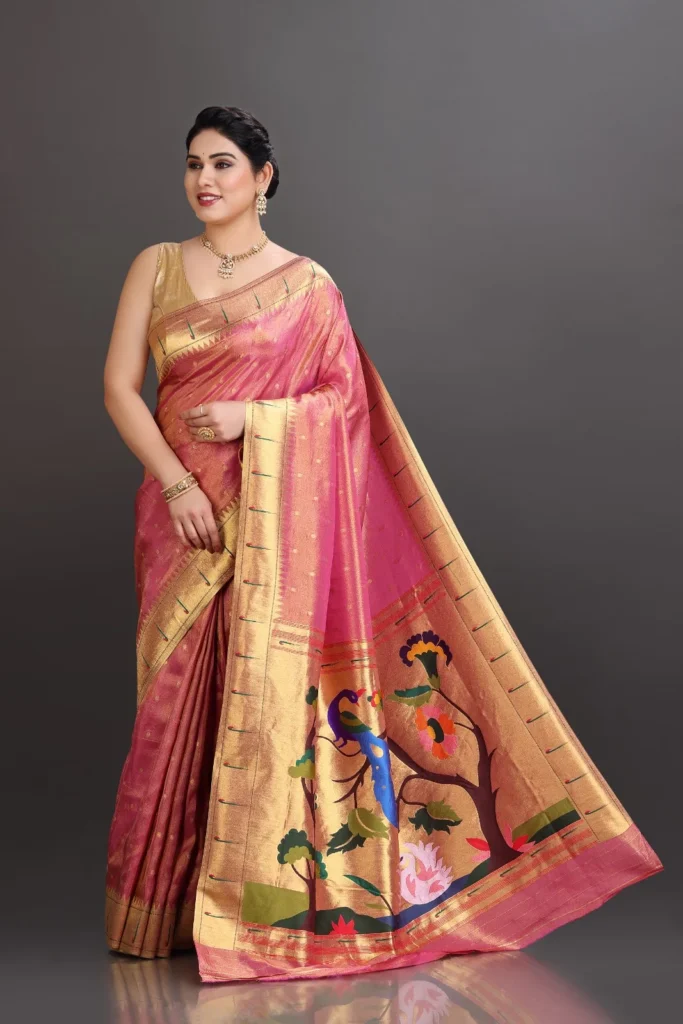
Tissue Banarasi Saree
These sarees have a shimmering appearance created by weaving silk with metallic threads, making them perfect for grand occasions.
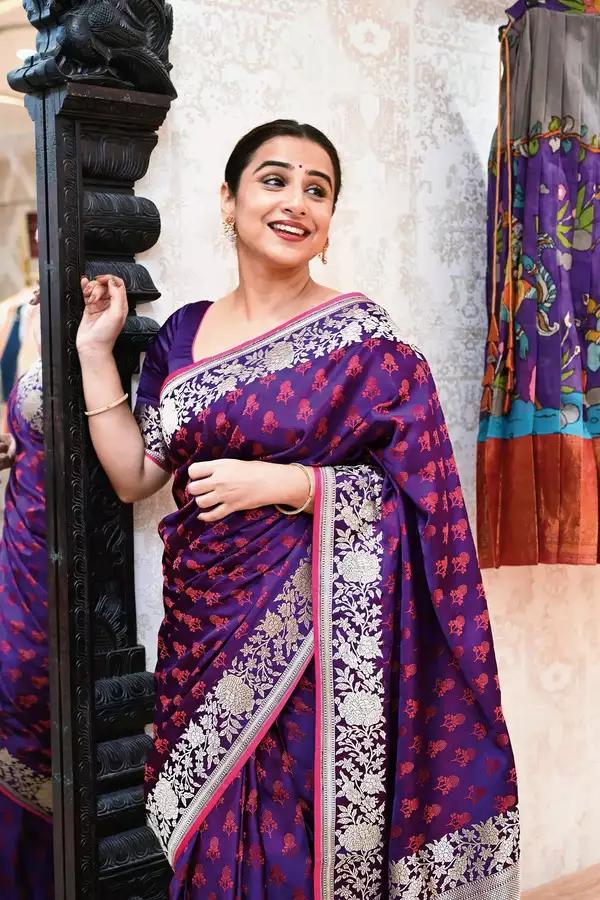
Tanchoi Banarasi Saree
Recognised for its colourful weaving and intricate patterns without heavy zari work.
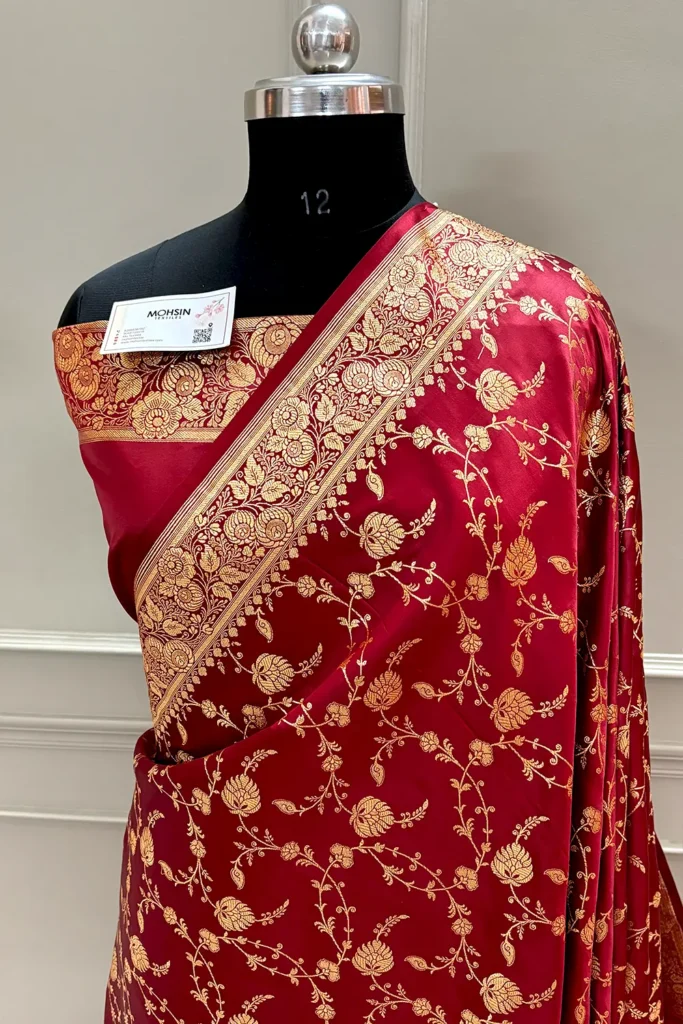
Jangla Banarasi Saree
Famous for large floral motifs woven throughout the saree using traditional handloom techniques.
Types of Banarasi Saree
How to Identify an Authentic Banarasi Saree
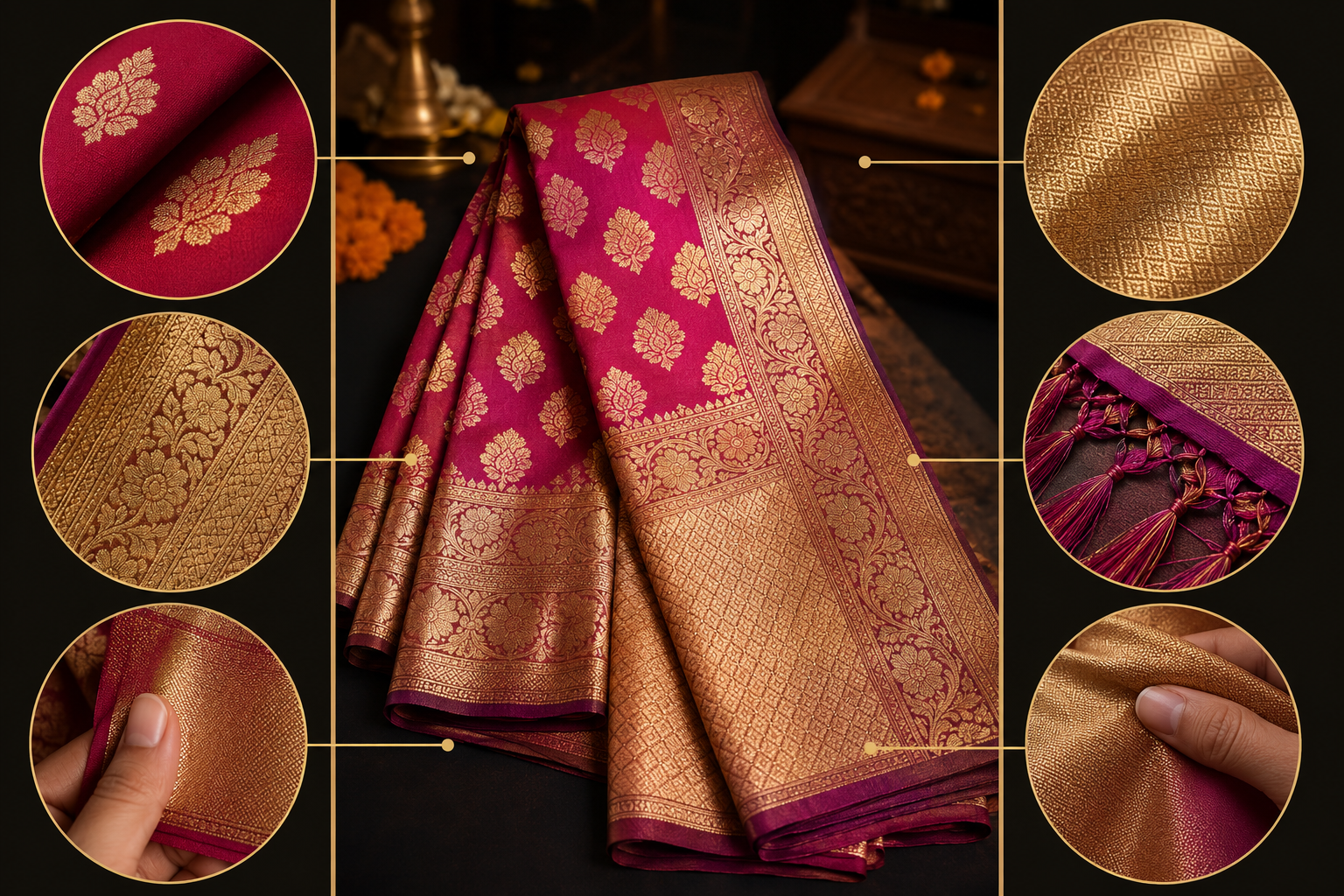
Spotting a genuine handloom Banarasi saree requires looking closely at the weave rather than just the surface design. Powerloom replicas often fail to replicate the unique craftsmanship and subtle weaving characteristics of a traditional handwoven Banarasi saree.
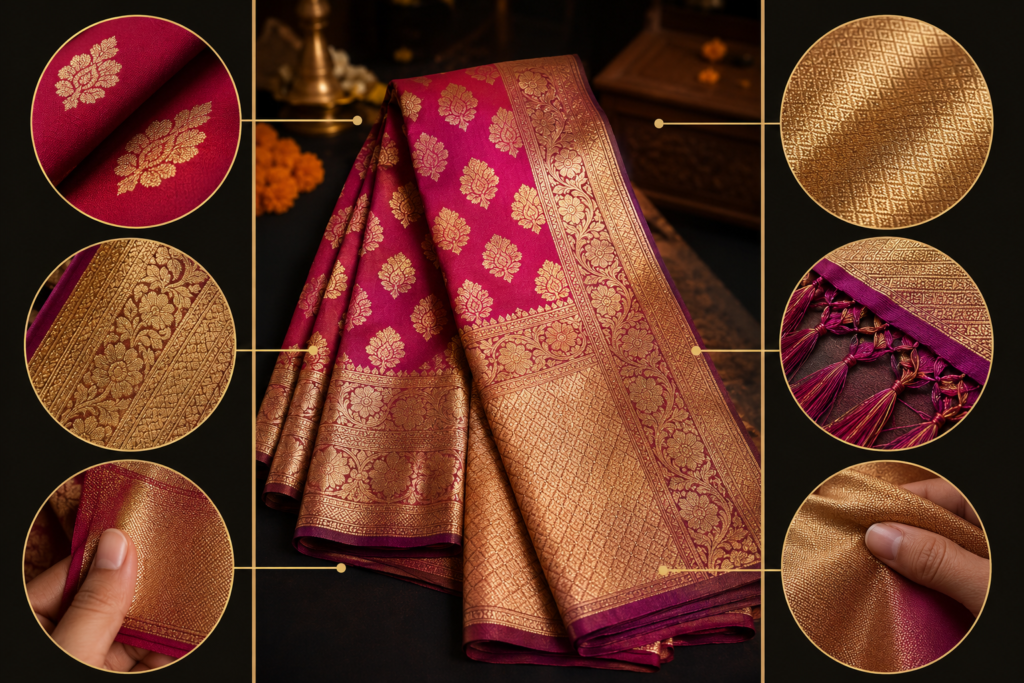
- Check the Reverse Side: Authentic handloom sarees have visible thread floats and handwoven patterns, while powerloom sarees usually have a smooth, uniform back.
- Look for the Plain Silk Patch: A genuine Banarasi saree typically features a 6–8 inch plain silk section at the end of the pallu.
- Examine the Zari: Original Banarasi zari has a soft, elegant shine, while fake zari is often overly glossy and made from synthetic materials.
Original vs Fake Banarasi Saree
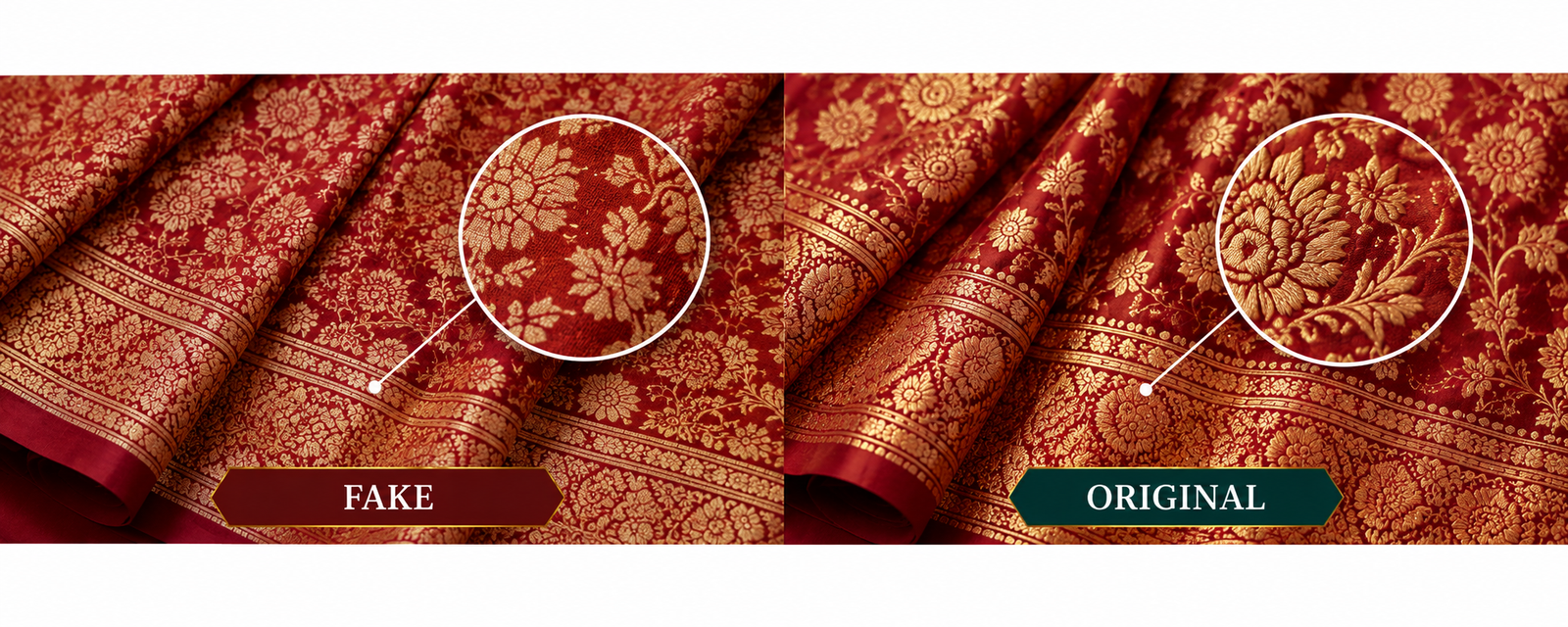
- Lighter in weight
- Dull & shiny finish
- Printed or low-quality zari
- Loose threads at the back
- Machine-made
- Heavier & rich in feel
- Matte finish with natural shine
- Pure zari (real gold/silver)
- Tight threads at the back
- Handwoven
Banarasi Saree Buying Guide
- Buy from trusted Indian manufacturers or verified sellers.
- Check for Silk Mark certification.
- Examine the weave, zari quality, and finishing.
- Understand the type of silk and zari used.
- Compare prices – too cheap can be a red flag.
Buyer Tip
Always ask for close-up images and videos before making a purchase online.
Looking to Buy Original Banarasi Sarees
from Trusted Indian Manufacturers?
Connect with suppliers on Proudly Made in India
Authentic Handloom
Skilled Artisans
Premium Quality
Custom Options
Experience the Craftsmanship of Banarasi Sarees
Are You a Banarasi Saree Manufacturer, Exporter or Wholesaler?
Thousands of buyers search online for authentic Indian products every month. If you manufacture, export or wholesale Banarasi sarees, showcase your business on Proudly Made in India and help buyers discover your products.
Proudly Made in India
How to Care for Banarasi Saree
Dry Clean Only
Store in Muslin Cloth
Avoid Direct Sunlight
Keep Away from Moisture
Fold with Care
FAQs
What is a Banarasi Saree?
A Banarasi saree is a traditional silk saree woven in Varanasi, known for its luxurious fabric and intricate zari work.
Why are Banarasi Sarees expensive?
Are Banarasi Sarees suitable for export?
Yes. Banarasi sarees are exported to many countries and remain highly popular in international ethnic fashion markets.
Can businesses purchase directly from manufacturers?
About This Guide
This article was prepared with reference to publicly available government resources, Geographical Indication documentation, and established textile references. It is intended to help buyers better understand authentic Banarasi sarees and make informed purchasing decisions. Proudly Made in India regularly reviews and updates its guides to keep them accurate and useful.
Explore more authentic Indian products, or connect with the businesses behind them, at ProudlyMadeInIndia.com.