Bhil Tribal Painting – India’s Vibrant Dot Folk Art
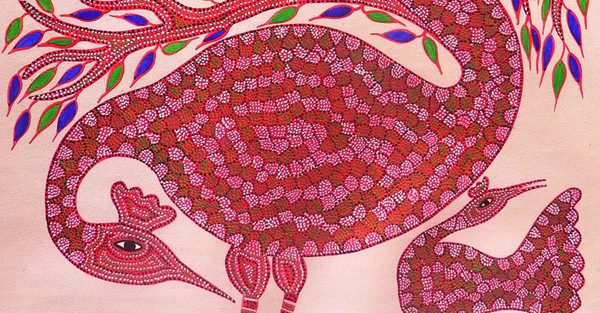
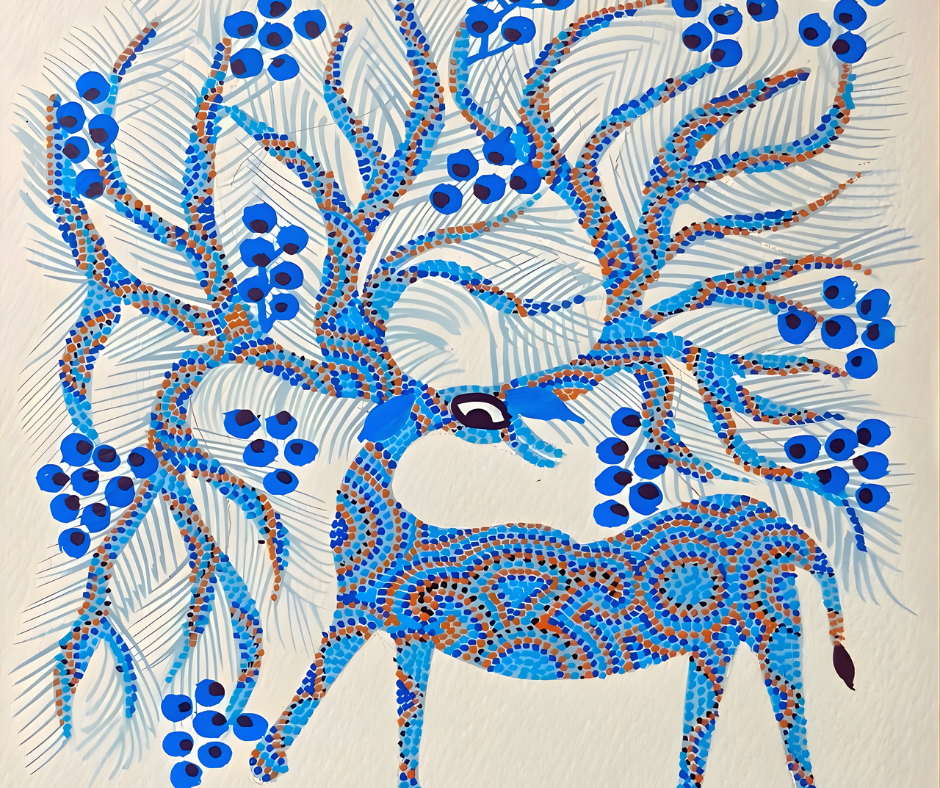
Bhil Tribal Painting is one of India’s most distinctive indigenous art traditions practiced by the Bhil tribal community across central and western regions of the country. Notably, this art form is celebrated for its intricate dot patterns, bold color combinations, and strong nature-inspired themes. Additionally, it beautifully represents tribal beliefs, folklore, and everyday village life. Historically, these paintings were created on mud walls during rituals and festivals; however, today Bhil art has gained remarkable recognition on canvas and paper in both national and international markets.
Bhil Tribal Painting – Basic Overview
| Attribute | Details |
|---|---|
| Art Name | Bhil Tribal Painting (Indian Dot Folk Art) |
| Origin Place | Madhya Pradesh, Rajasthan, Gujarat & Maharashtra, India |
| Established / Era | Ancient Tribal Tradition (Pre-Historic Roots) |
| Famous As | Dot Folk Art / Tribal Storytelling Art |
| Art Type | Traditional Tribal Painting |
| Signature Style of Bhil Tribal Painting | Colorful Dot Patterns & Bold Outlines |
| Themes | Nature, Animals, Birds, Folklore, Daily Life |
| Colors Used | Bright Natural & Acrylic Colors |
| Surface | Walls, Paper, Canvas, Cloth |
| Tools | Twigs, Bamboo Sticks, Brushes |
| Community | Bhil Tribal Families |
| Speciality | Symbolism, Spiritual Motifs & Dense Dot Filling |
| Market Reach | Domestic + International Art Collectors |
| Industry Type | Tribal Artisan Families & Craft Clusters |
Bhil Tribal Painting Origin & Heritage
Bhil Tribal Painting has deep historical roots connected to the Bhil community, one of India’s oldest tribes. Traditionally, this tribal art was created on house walls and village spaces to mark celebrations, harvests, and religious rituals. Moreover, the paintings served as a visual expression of gratitude toward gods and nature. Over time, Bhil Tribal Painting art evolved into a widely recognized folk tradition while still preserving its ancestral symbolism and rich storytelling essence.
Key Features
Dot Technique: Thousands of small, uniform dots fill the entire surface, creating texture and rhythm.
Nature-Inspired Themes: Animals, birds, trees, the sun, moon, and rivers are common motifs.
Vibrant Colors: Bright reds, yellows, greens, blues, and oranges dominate the palette.
Symbolism: Each color and pattern often holds cultural or spiritual meaning.
Storytelling: Paintings frequently narrate myths, legends, and daily tribal life.
Materials & Process
Traditionally, Bhil artists used natural pigments made from flowers, leaves, clay, and charcoal. Brushes were often handmade from twigs or bamboo sticks. In modern times, artists also use acrylic and poster colors on canvas or paper, making the art more durable and market-friendly while retaining the signature dotted style.
Cultural Significance
Bhil paintings are more than decoration; they are a visual language of identity and belief. Each artwork reflects harmony with nature, spiritual faith, and community traditions. The art form also plays an important role in preserving oral histories and passing cultural knowledge from one generation to the next.
Contemporary Recognition
Today, Bhil Tribal Painting has gained national and international appreciation. Exhibitions, government craft initiatives, and online platforms have helped tribal artists reach global audiences. This exposure has created economic opportunities for artisans while ensuring the survival of the tradition.
Bhil Tribal Painting – Top Brands
| Cluster / Brand / Group | Founded | Promoter | Business Type | Market Reach | Ownership | Origin |
|---|---|---|---|---|---|---|
| Bhil Art Tribal Families | Traditional | Local Bhil Communities | Handmade Paintings & Murals | Domestic | Community Based | India |
| Adivasi Kala Parishad | 1980s+ | Cultural NGOs | Tribal Art Promotion & Exhibitions | Domestic & Export | Trust / NGO | India |
| MP Tribal Art Cooperative Societies | 1970s+ | Govt. of Madhya Pradesh | Craft Production & Training | Domestic & Export | Cooperative | India |
| Bhilwara Folk Art Groups | 1990s+ | Local Artist Collectives | Folk Art Sales & Workshops | Domestic | Collective | India |
| Tribal Art India Clusters | 2000s+ | Ministry of Textiles Support | Marketing & Development | Domestic & Export | Government Supported | India |
Conclusion
Furthermore, Bhil Tribal Painting reflects deep cultural pride and artistic heritage. Over time, artists have adapted modern tools and surfaces while preserving traditional symbolism. As a result, this folk art now appeals to collectors, designers, and cultural enthusiasts worldwide.