Bhalia Wheat Price – Premium Quality Traditional Indian Wheat
Golden, hardy, and deeply rooted in tradition — Bhalia Wheat, also known as Daudkhani Wheat, is one of Gujarat’s most celebrated agricultural treasures. Cultivated across the dry plains of the Bhal region, north of the Gulf of Khambhat, this indigenous long-grain variety embodies India’s agricultural wisdom, sustainable farming practices, and rich cultural legacy.
Renowned for its natural resilience, nutritional richness, and unique flavor, Bhalia Wheat has earned a distinguished place in both Indian kitchens and international markets. It received official recognition as a Geographical Indication (GI) in 2011, protecting its authenticity and heritage.
Basic Overview
| Field | Details |
|---|---|
| Traditional Name | Bhalia / Daudkhani Wheat |
| Crop Type | Indigenous Rain-Fed Winter Wheat |
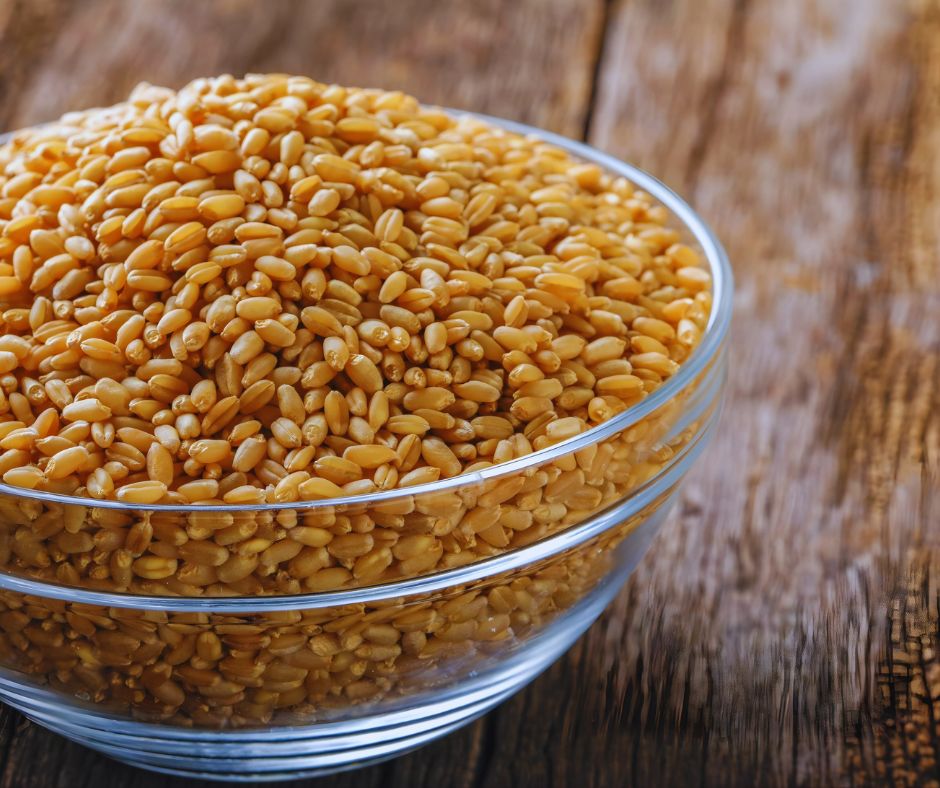
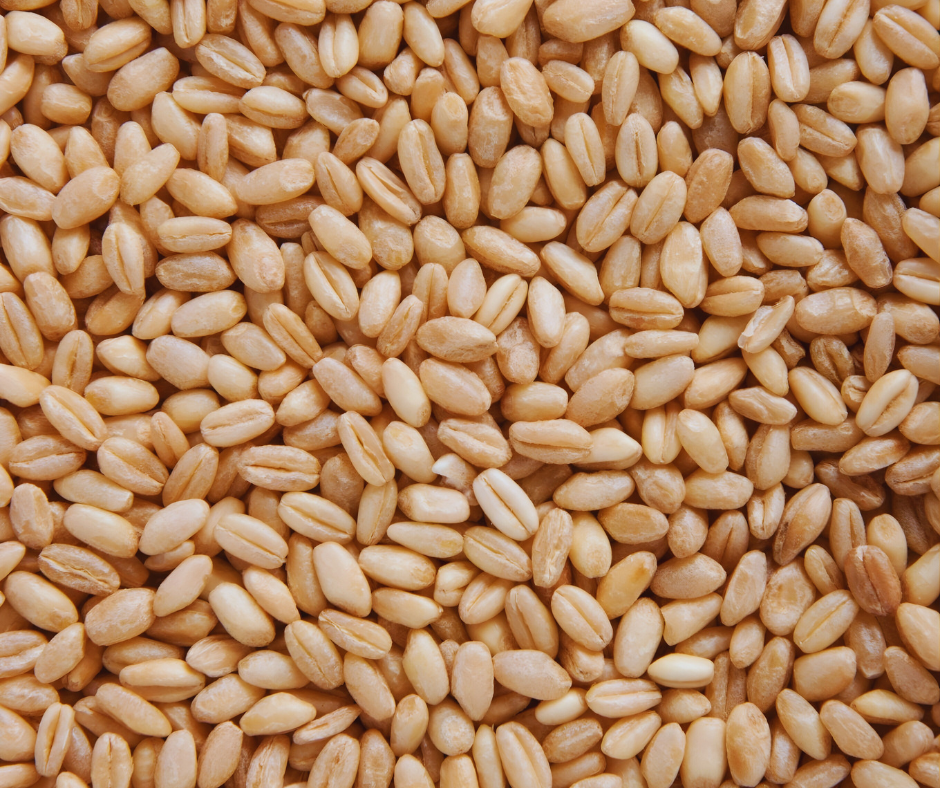
| Grain Appearance | Amber Golden, Long & Firm Grains |
| Cultivation Area | Ahmedabad, Anand, Kheda, Bhavnagar, Surendranagar (Gujarat) |
| Farming Method | Natural Rain-Fed, Minimal Irrigation |
| Primary Uses | Chapati, Suji, Pasta, Bhakri, Puris |
| Key Traits | High Protein, Nutty Flavor, Strong Gluten |
| Artisan Community | Local Gujarati Farming Families |
| Country | India |
| Cultural Status | Traditional Staple Grain of Gujarat |
| GI Status | Registered Geographical Indication (2011) |
History and Origin
The story of Bhalia Wheat dates back centuries to the Bhal region — an expansive flatland covering parts of Ahmedabad, Anand, Kheda, Bhavnagar, and Surendranagar districts in Gujarat.
The word “Bhal” means “forehead” in Gujarati, symbolizing the smooth, elevated terrain of this fertile zone.
Traditionally, Bhalia Wheat was cultivated by local farming communities who mastered the art of growing crops with minimal rainfall. These farmers relied solely on residual soil moisture after the monsoon, developing an eco-friendly and sustainable system that has endured for generations.
Over time, this hardy crop became a staple in Gujarati households and a symbol of the region’s self-reliance and agricultural innovation.
Traditional Cultivation Steps
- Soil Preparation: After the monsoon, the soil is carefully prepared to retain natural moisture for the entire growing season.
-
Indigenous Seeds: Farmers use drought-resistant native Bhalia seeds that adapt well to dry climatic conditions.
-
Minimal Human Interference: Limited intervention during growth helps preserve soil nutrients and maintain ecological balance.
-
Natural Growth Cycle: The crop depends on seasonal rainfall and residual soil moisture rather than artificial irrigation.
-
Manual Harvesting & Sun-Drying: Wheat is harvested by hand and sun-dried, ensuring grain purity, texture, and natural quality.
Characteristics and Nutritional Value
Bhalia Wheat is recognized for its amber color, firm texture, and nutty aroma. Its high protein and gluten content make it ideal for preparing semolina (suji), pasta, and traditional Indian breads such as chapati, puri, and bhakri.
| Nutrient | Value (per 100g) |
|---|---|
| Energy | 340 kcal |
| Protein | 12.5 g |
| Carbohydrates | 72 g |
| Fat | 1.5 g |
| Dietary Fiber | 12 g |
| Gluten | High |
| Iron | 4.0 mg |
Cultural and Economic Significance
In Gujarat, Bhalia Wheat symbolizes purity, prosperity, and self-reliance. It is a vital part of traditional diets, community feasts, and religious offerings, especially in rural households.
Economically, the crop sustains thousands of farmers who depend on its cultivation. Its natural adaptability to dry climates makes it a low-cost and eco-friendly agricultural option.
The traditional farming cycle also helps in soil conservation and biodiversity protection, aligning perfectly with modern concepts of sustainable agriculture.
Manufacture and Export
The cultivation and distribution of Bhalia Wheat are coordinated by organizations such as the Bhalia Wheat Growers’ Association and the Gujarat Agro Industries Corporation, ensuring product authenticity and export quality.
Export Destinations and Market Demand
| Region | Popular Uses | Key Appeal |
|---|---|---|
| Middle East | Flatbreads, Suji | High gluten, superior texture |
| Europe | Pasta, Health Foods | Organic, naturally cultivated |
| Africa | Traditional Dishes | Sustainable, nutrient-rich |
| Southeast Asia | Breads, Sweets | Distinct aroma and flavor |
Growing international recognition has made Bhalia Wheat a preferred choice for consumers seeking clean, chemical-free, and high-protein grains.
Recognition and Protection
Bhalia Wheat received Geographical Indication (GI) status in 2011 under the Geographical Indications of Goods (Registration and Protection) Act, 1999, registered as GI Application No. 102 (Class 30).
This certification ensures that only wheat grown in the Bhal region can be marketed as Bhalia Wheat, protecting farmers’ rights and preventing imitation.
The GI tag has also helped enhance the crop’s market value and visibility, both in India and abroad.
Global Appeal and Modern Relevance
In an age that values sustainability and nutrition, Bhalia Wheat represents the perfect fusion of traditional wisdom and modern demand. Its naturally grown, high-protein profile appeals to health-conscious consumers and gourmet food producers alike.
Efforts by cooperatives and agricultural boards have brought the grain into international markets, promoting Gujarat’s farming excellence on the global stage.
From artisan bakeries to export-quality semolina industries, Bhalia Wheat is redefining India’s agricultural identity worldwide.
Manufacturer & Top Brands – Bhalia Wheat
| Cluster / Institution | Founded | Promoter | Product Type | Market Reach | Ownership | Origin |
|---|---|---|---|---|---|---|
| Traditional Bhal Farmers Communities | Ancient | Local Farming Families | Natural Bhalia Wheat Cultivation | Local / Regional | Community-Based | Gujarat, India |
| Bhalia Wheat Growers’ Association | 2000s | Farmer Cooperatives | GI Certified Bhalia Wheat | National | Cooperative | Gujarat, India |
| Gujarat Agro Industries Corporation | 1960s | Govt. of Gujarat | Grain Procurement & Distribution | National / Export | Government | Gujarat, India |
| Organic Grain Brands & Startups | 2010s | Private Entrepreneurs | Organic / Premium Wheat | National / Online | Private | India |
| Export Houses & Agri Traders | 1990s | Agri Export Firms | Bulk Wheat & Semolina Supply | Global | Private | India |
Conclusion
Bhalia Wheat is not merely a crop — it is a living symbol of Gujarat’s resilience, heritage, and eco-conscious farming traditions. From the sun-baked plains of the Bhal region to kitchens around the world, every grain reflects the purity of the land and the dedication of its farmers.