Authentic Bandhani Sarees & Traditional Tie-Dye Fabrics
A traditional tie-and-dye textile art practiced mainly in Gujarat and Rajasthan, India.
Type: Handcrafted Textile
Material: Cotton, Silk, Georgette
Main Regions: Jamnagar, Bhuj, Jaipur, Udaipur, Bikaner, and Madurai (Tamil Nadu – Sungudi)
Country: India
Registered: Geographical Indication (GI) under Handicrafts category
History and Origin
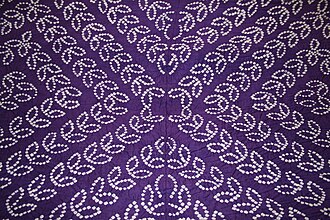
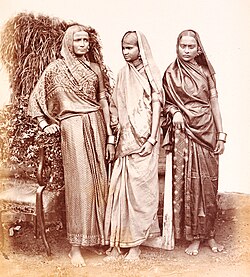
Bandhani, derived from the Sanskrit word Bandh meaning “to tie,” is one of the world’s oldest textile dyeing techniques, originating from the Indus Valley Civilization (around 4000 B.C.); it involves decorating fabric by plucking and tying tiny portions with fingernails before dyeing, as seen in 6th-century Ajanta cave paintings and in historical records like “Group of women wearing Bandhani Sari, ca. 1855–1862.” Flourishing across Gujarat, Rajasthan, Sindh, Punjab, and Tamil Nadu (where it is known as Sungudi), and called Chunri in Pakistan, Bandhani is also regionally known as Bandhej, Bandhni, Piliya, and Chungidi; its varied techniques—Mothra, Ekdali, and Shikari—produce exquisite pieces such as Khombi, Ghar Chola, Patori, and Chandrokhani, while the Khatri community of Gujarat and Rajasthan are regarded as the traditional founders and preservers of this enduring art.
Technique & Manufacturing Process
| Step | Process | Description |
|---|---|---|
| 1️⃣ | Fabric Selection | Fine cotton, silk, or georgette cloth chosen for softness and dye absorption. |
| 2️⃣ | Design Marking | Patterns lightly outlined using stencils or charcoal dots as a guide. |
| 3️⃣ | Tying (Bandh) | Tiny portions of fabric are plucked and tightly tied with thread to resist dye. Each knot forms a part of the final design. |
| 4️⃣ | Dyeing | The cloth is dipped in natural or synthetic dyes, often from light to dark shades for gradient effects. |
| 5️⃣ | Drying & Untying | After sun-drying, threads are carefully removed to reveal intricate motifs. |
| 6️⃣ | Finishing | Ironing and light starching enhance the color brilliance and texture. |
Types of Bandhani
| Type | Region | Special Features |
|---|---|---|
| Leheriya | Rajasthan | Wave-like diagonal stripes symbolizing flowing water. |
| Panetar & Gharchola | Gujarat | Bridal Bandhani with zari work in red, green, or white combinations. |
| Ekdali / Trikunti | Kutch | Extremely fine dots created by single or triple tying. |
| Mothra | Gujarat & Rajasthan | Patterns of intersecting lines resembling butterfly wings. |
| Jhankaar Bandhani | Jamnagar | Dense dotted work with deep maroon and red shades. |
Cultural Significance
Bandhani is not just a textile — it is an expression of Indian identity and celebration. In Gujarat, a red Bandhani dupatta marks a woman’s marital status, while in Rajasthan, colorful Bandhani turbans symbolize community, caste, and region.
Each color in Bandhani carries symbolic meaning:
🔴 Red – Marriage and fertility
🟡 Yellow – Motherhood and happiness
🟢 Green – Prosperity and harmony
⚪ White – Peace and spirituality
From bridal attire to turbans and modern scarves, Bandhani remains a living tradition that bridges history and fashion.
Manufacture & Export
The major production hubs include Jamnagar (Gujarat), Jaipur, Udaipur, and Bikaner (Rajasthan). Thousands of artisans, especially women, are engaged in Bandhani making, often working through cooperative societies and family-run units.
Domestic Market: Bandhani remains popular for sarees, dupattas, stoles, turbans, and fusion wear.
Export Market: Strong demand in USA, UK, Japan, France, and the Middle East, where it appeals for its eco-friendly and handmade authenticity.
Government Support: The craft is promoted by Rajasthan Handloom Development Corporation, Gujarat State Handloom & Handicrafts Development Corporation, and KVIC, through design innovation, skill training, and export facilitation.