Naturally Sweet – Juicy and flavorful Jamuns.
Sweet, tangy, and packed with antioxidants — Badlapur Jamun, also known as Badlapur Jambhul, is a jewel of Maharashtra’s fruit heritage. Cultivated in the fertile lands of Badlapur, this luscious variety of Syzygium cumini (Indian blackberry) is prized for its rich flavor, deep purple hue, and remarkable nutritional value.
Recognized as a Geographical Indication (GI) product on 31 March 2024, Badlapur Jamun stands as a proud symbol of India’s diverse and sustainable horticultural traditions.
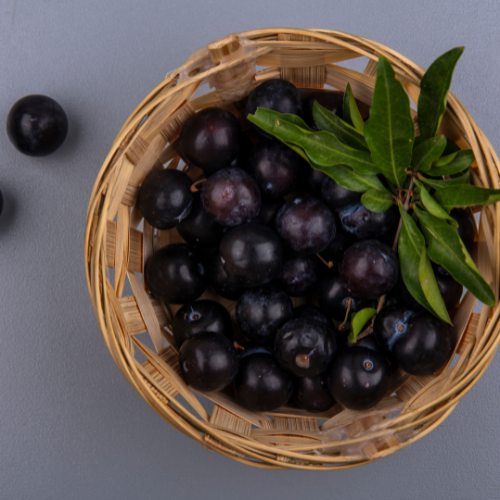
Unique Flavor – Sweet, juicy, and aromatic fruit.
| Aspect | Details |
|---|---|
| Alternative Name | Badlapur Jambhul |
| Description | Jamun variety grown in Maharashtra, India |
| Type | Jamun (Indian Blackberry) |
| Area | Badlapur |
| Country | India |
| Registered | 31 March 2024 |
Agricultural and Nutritional Significance
The Badlapur region’s semi-hilly terrain and well-drained soil provide ideal conditions for Jamun cultivation. Farmers have perfected traditional methods to ensure high sweetness, bold flavor, and smooth skin texture.
| Nutrient | Value (per 100g) |
|---|---|
| Energy | 60 kcal |
| Protein | 0.7 g |
| Carbohydrates | 14 g |
| Fiber | 0.6 g |
| Calcium | 15 mg |
| Iron | 1.4 mg |
| Vitamin C | 18 mg |
| Antioxidants | High |
Known for its low glycemic index, Badlapur Jamun is often recommended for diabetics and those seeking natural detoxification.
Health and Medicinal Benefits
Regulates blood sugar levels and boosts insulin activity.
Rich in iron and antioxidants, improving hemoglobin and skin health.
Aids digestion and detoxification.
Used in Ayurvedic formulations for diabetes and oral health.
Cultivation and Harvesting Process
| Step | Process | Description |
|---|---|---|
| 1️⃣ | Planting | Saplings are planted during monsoon in well-prepared pits with organic compost. |
| 2️⃣ | Flowering | Trees bloom from March to April, producing small, fragrant white flowers. |
| 3️⃣ | Fruit Development | Jamuns mature gradually, turning from green to deep purple as they ripen. |
| 4️⃣ | Harvesting | Fruits are handpicked in June–July to avoid bruising and ensure full ripeness. |
| 5️⃣ | Sorting & Grading | Fruits are sorted by size, color, and sweetness before being packed for market. |
The process preserves the natural freshness and nutritional essence of each fruit, ensuring premium quality for consumers.
Manufacture and Export
The Badlapur Jamun industry has evolved from small-scale farms into a growing fruit processing and export sector.
Processing and Value Addition
| Unit / Process | Activity | Product Outcome |
|---|---|---|
| Jamun Pulp Units | De-seeding, pulping, and pasteurization | Frozen Jamun pulp for beverages & desserts |
| Jamun Powder Units | Dehydration and grinding | Natural health supplement |
| Juice Extraction Centers | Cold pressing and bottling | Jamun juice for domestic and export markets |
| Seed Processing Units | Drying and grinding seeds | Herbal powder used in Ayurvedic medicine |
These steps maintain hygiene, minimize waste, and enhance the fruit’s market value.
Export Overview
| Aspect | Details |
|---|---|
| Export Destinations | UAE, Singapore, UK, Qatar, and Malaysia |
| Export Season | June – September |
| Export Form | Fresh fruit, frozen pulp, juice, and powder |
| Supporting Bodies | APEDA, Maharashtra State Agricultural Marketing Board (MSAMB), and local cooperatives |
Through careful grading, cold storage, and air shipment, Badlapur Jamun reaches international markets while retaining its freshness and taste.
Cultural and Economic Importance
Badlapur Jamun isn’t just a fruit — it’s a seasonal celebration.
Every summer, local markets come alive with baskets of purple Jamuns, connecting farmers, traders, and families.
The fruit supports hundreds of small-scale growers, contributes to local agritourism, and strengthens Maharashtra’s position in India’s GI fruit exports.
Conclusion
From the orchards of Badlapur to global fruit aisles, Badlapur Jamun reflects India’s natural abundance and agricultural excellence.
Its deep purple color, refreshing taste, and medicinal richness make it not only a symbol of health but also a testament to sustainable farming and regional pride.