Apatani Handloom Journey: From Tribal Roots to Cultural Textile Recognition
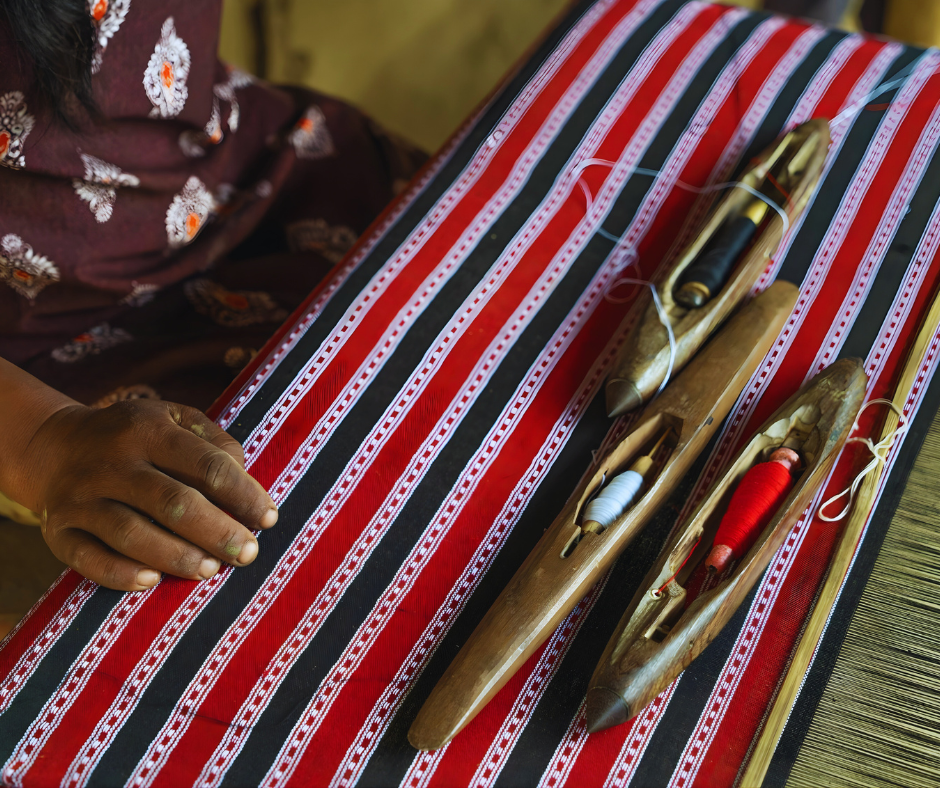
Apatani Handloom originates from the indigenous Apatani tribe of Arunachal Pradesh, where weaving has been a household tradition for centuries. Unlike factory textiles, Apatani fabrics are created on simple back-strap or loin looms using hand-spun cotton and natural dyes. Traditionally, these textiles were woven for family clothing, ceremonial wear, and community rituals, symbolizing identity and social belonging within the tribe.
Over time, Apatani handloom moved beyond local use and began attracting attention from cultural researchers, designers, and eco-fashion enthusiasts. Today, it is appreciated as a sustainable and heritage textile craft of Northeast India, representing both artistic precision and cultural storytelling through patterns.
Basic Overview
| Field | Details |
|---|---|
| Craft Name | Apatani Handloom |
| Community | Apatani Tribe |
| Region | Arunachal Pradesh, India |
| Craft Type | Traditional Textile Weaving |
| Raw Materials | Cotton, Wool, Natural Dyes |
| Traditional Loom | Back-Strap / Loin Loom |
| Common Products | Shawls, Wraps, Scarves, Skirts |
| Design Style | Geometric Tribal Motifs |
| Industry Type | Handicraft & Textile |
| Market Reach | Domestic & Export |
| Cultural Use | Festivals, Rituals, Daily Wear |
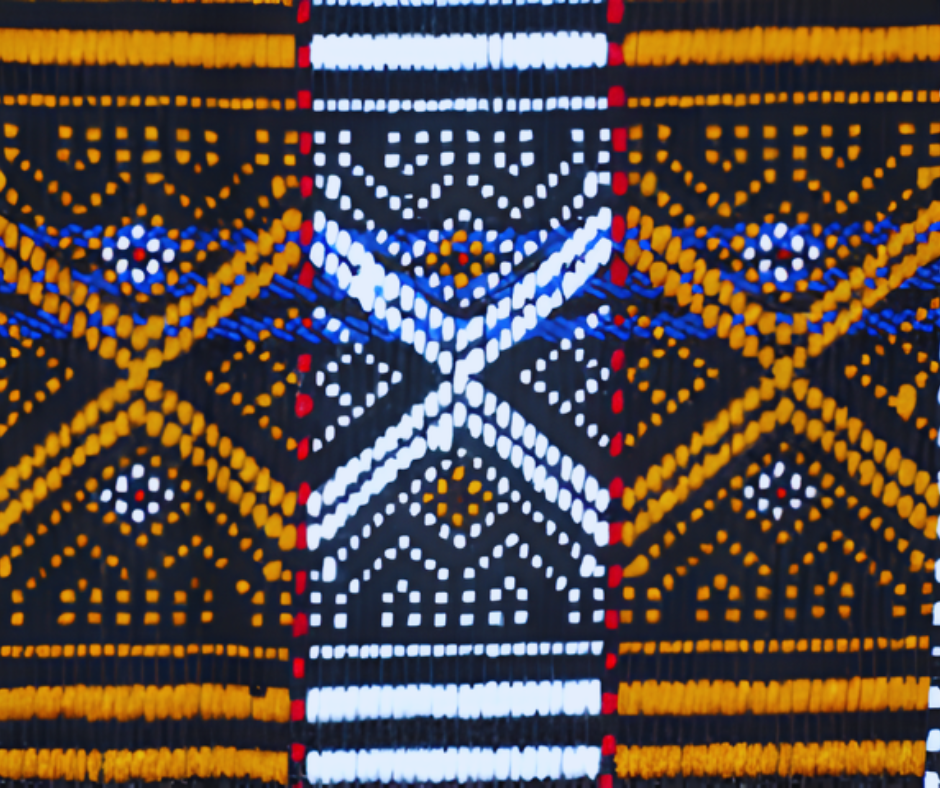
Apatani Handloom – Tracing Its Origins & Craft Evolution
Apatani weaving began as a necessity-based household skill, where women traditionally produced garments for family members using minimal tools and locally available threads. The early textiles focused on durability and symbolic motifs rather than commercial appeal.
As cultural awareness and handicraft appreciation increased, Apatani handloom transformed from purely functional clothing into decorative and fashion-oriented textiles. Designers started incorporating tribal patterns into modern apparel, giving the craft wider recognition while still respecting its roots.
Growth & Cultural Recognition
Promoted through state handicraft boards and tribal exhibitions.
Increasing demand from eco-friendly and slow-fashion markets.
Featured in handloom fairs and cultural festivals across India.
Supported by artisan cooperatives and rural self-help groups.
Growing online visibility through handicraft platforms and exports.
Key Features & Craft Strengths
Authentic Heritage
Centuries-old weaving traditions preserved within families.
Eco-Friendly Production
Use of natural dyes and manual weaving techniques.
Distinctive Patterns
Bold geometric motifs with cultural symbolism.
Handcrafted Quality
Each textile is unique, reflecting artisan individuality.
Sustainable Fashion Appeal
Low environmental impact and ethical sourcing.
Cultural Identity
Represents tribal pride and regional storytelling.
Durability & Comfort
Strong fabrics suitable for daily and ceremonial use.
Rising Global Interest
Increasing appreciation among designers and collectors.
Market Presence & Craft Identity
Strong recognition in Northeast India handicraft markets.
Popular among handloom enthusiasts and cultural collectors.
Known for earthy tones like black, red, white, and deep blue.
Positioned as a heritage textile rather than mass-produced fabric.
Apatani Handloom – Top Brands & Sellers
| Brand / Organization | Founded | Region | Business Type | Market Reach | Ownership | Origin |
|---|---|---|---|---|---|---|
| Apatani Designs Studio | 2015 | Arunachal Pradesh | Handloom Textile Brand | Domestic & Export | Private / Artisan Led | India |
| NEHHDC (North Eastern Handicrafts & Handlooms Development Corporation) | 1977 | Northeast India | Government Promotion & Retail | National & International | Government | India |
| Tribes India (TRIFED) | 1987 | Pan India | Handicraft Retail Chain | National | Government | India |
| iTokri | 2015 | Online (India) | E-commerce Handicraft Platform | Domestic & Global | Private | India |
| GoCoop | 2011 | Online (India) | Cooperative Handloom Marketplace | Domestic & Export | Private / Cooperative | India |
Conclusion
Apatani Handloom – Timeless Tribal Textile Heritage reflects how a simple indigenous weaving practice evolved into a respected cultural and sustainable craft. Rooted in tradition yet adaptable to modern fashion, Apatani handloom continues to preserve tribal artistry while empowering rural artisans. Its blend of authenticity, eco-conscious production, and visual elegance ensures its lasting value in India’s rich textile legacy.